Education
Management of Road Infrastructure Projects in Cebu City: Monitoring and Evaluation Standard Policy
Cebu Technological University – Main Campus, Cebu City, Philippines
Published October 2026
Abstract
The consequential measurement of conveyor infrastructure is the associated roads that provides linkages to neighboring cities and municipalities. A good road transport at the city level is crucial in the movement of constituents and conveyor of goods with low of occurrence costs. Good city road infrastructure is associated not only with the economic growth but also contributory with poverty reduction as stated by various studies. In a study of road infrastructure in Europe and Central Asia, the newly constructed road quality is heavily helpful with higher domestic trade flows. In a study of different areas in the country, the road development’s accessibility provides considerable benefits to the constituents of the city. This study focused the essentiality of investing in various roads and directly leads to the crucial role of local government units (LGUs) in improving the city roads. The essence of investing in roads cannot be underlined and the 1991 Local Government Code has given local government units that function of road government units can do to improve the city roads. The present situation of the city roads infrastructure leads the economic growth. Presently, this research studies were seen that infrastructure has good impact on local economy with better infrastructure have higher growth rates. The economy in Cebu City is dependent on the road development; however, the road projects continue to reduce the congested traffic problem in the city, coordinated with poor maintenance of roads, inadequate expertise in the management of roads, inadequate expertise in the management road infrastructure project, poor of contractor’s capability, and poor design and construction methods. The projects centered these issues and provide the essentials access of roads for upland barangays down to the barangays in Cebu City, to the neighboring cities and municipalities, farm to markets, employment and trade industries, schools, health centers, business hub etc. The road infrastructure projects may help working for growth and poverty reduction in the city. The research focused the importance of road infrastructure projects and giving full support to the crucial function of the Cebu City government in the improvement of city roads. Other activities will depend on the quality and strength of the city government and cohesion to good planning, budgeting, and procurement practices in the Cebu City government. This study identifies what the Cebu City government’s alternative actions to improve the city roads. The problems encountered in the management of road infrastructure projects in Cebu City reveals that in planning standard requirements, the inadequacy of the budget for labor and materials, and the non – compliance of works in accordance with the approved plan were the main causes in the completion of the project. Due to lack of priority and commitment in the implementation of roads projects, the causes were specifically identified in organizing and staffing standard requirements. The bad weather conditions hamper the early completion of the project in directing and implementing period. The problem encountered in monitoring and evaluation of road project is due to lack of machineries and equipment, and due to poor usage of the participatory and qualitative methods for a limited capacity and less recognition of the needs, the road project was not able to complete on the target period.
Keywords: public administration; productivity; quality management system; Cebu City; Philippines
1Introduction
Project management is an application of knowledge, skills and systems to finish projects sufficiently. Project management focuses on the strategic proficiently for organizations. Management experts indicated that a project management system is categorized into five groups which enable project managers to implement the objectives of the projects. The identified project management system includes, planning, controlling, organizing and staffing, implementing and directing, and monitoring and evaluation. Project management requires the project manager and his team to extend the same vision of what has to be done in the implementation of the project. The road infrastructure project of Cebu City supports the socio-economic programs through effective development of end users in transportation. The road infrastructure project is provided direct access to the constituents in respective locations to provide socio-economic services, to increase the improvements towards neighboring cities like Mandaue, Lapulapu and Talisay, and to enhance tourism and integration in regional level. The monitoring and evaluation of road infrastructure projects is a process to more progressive application to development. At each level, this process is adopted based on the monitoring and evaluation of the Local Government Unit (LGU).
A skilled project manager is oftentimes the leader in the management of road project. There may be more actions for improving the project management which is available to the proponent of the project than to the project manager. A project manager is accountable for the project towards the agreed purpose of the project. The project manager has brilliant idea of what comprises the best result of the project implementation at the end. However, the project manager has a number of functions and responsibilities to fulfill such as giving aid and support to the project proponent to learn the details of the project where changes of scope of works of the project may be essentials in planning, contingency, scheduling, communication and development report coordination and supervision. The succeeding items must be considered as necessary and urgent matters to identify the exact procedure in project implementation by the technical staff directly involve with the project. In addition, the leader of a certain system may be having an important role to the overall product produce by another excellent outcome of the project.
A very good project planning is the primary instrument for an efficient coordination between the project implementer and the project proponent. The detail of the project may be essential to get other approvals such as customer commitment to the summary of programs, projects and activities. The financial resources are vital to start the implementation of the project. The description of the project will matter, particularly the goals and objectives, and the scope of works. How are these projects to be achieved? In technical content, the quality of the project shall be based on technical standards. The supplementary approval that may be essential to the project requires regulatory approval, the plan and design, the project diagrams, and the structure. The project manager will be accountable for the project management and the logical framework of the project, the required budget that supports the cost estimate, resources requirements for project implementation, and other resources such as space, existing assets, external interfacing, and the financial considerations. The infrastructure projects generally seem to have three major causes on budgetary considerations. The first may be the optimistic budget computations. Most of the time the under-estimating of project cost results to motivation ensuring project approval. Secondly, the delays in the completion of the project converted into an additional project cost. Thirdly, most implementer failed to understanding the plans, details and specifications when there are queries arises by the proponents or the users of the project particularly of the physical outcome of the project. This is very difficult to answer on the part of the implementer when project evaluator conducted random site inspection to what really the actual cost of the project. It ensures that no one argues about the right amount of the project. However, the alternative actions that are necessary to the development will depend how far the project has completed.
The failure in the implementation of road infrastructure project are due to improper prior planning and failure in post planning. The improper prior planning is due to failure to obtain the exact estimates of the project; un-proportioned budget provisions; and false design in architectural plan and structural plan which may be critical for the given time. The failure in actual planning is due to lack of spirit in working as a team; failure in providing the labor force, the materials and equipment as needed in accomplishing the project; the expansion of material cost and labor cost in a long term projects; no proper review in the project management schedule and delays in the allocation of funds for the project and the changes of the critical path during the implementation of the project, and the abrupt changes, transfer of project site, and the discharge of the middle management staff.
The government has been sacrificing heavily by investing the road infrastructure project to support the economic growth of the locality. However, many projects did not deliver the expected outcome because, the return of investment were over-estimated. The components of the new asset essentially needed to realize the benefit have not been implemented and the actual benefits post-completion has not been efficiently managed. These problems can be addressed by adopting a results-based monitoring and evaluation system for benefits identification and realization throughout the project life cycle and for the creation of a project organization with clear responsibilities for the implementation of the project. The results-based monitoring and evaluation system supports the key infrastructure projects at various phases of the project cycle, including the design, construction and management, non-payment for contractor’s benefits, and the impact of the project does feel by the people or the end users. The project performance can be expanded by adopting a results-based orientation program throughout the project life cycle, and supporting this with a governance structure through which clear responsibilities are assigned for results delivery and benefits realization.
The performance of the technical staff is determined by its competence, which is the function of knowledge and skills that can be acquired from education, experience and ability. The personnel profile of the staff affects their ability to perform the managerial function of monitoring and evaluation of infrastructure projects. The final function in managing a project is the monitor and evaluate. Manager on the other hand ensures that things are going on as it should. He stressed that actual performance must be compared with previous goals. Hence, the study dealt with the problems encountered in the operational management practices. The seriousness of the problem was determined by prevailing condition in monitoring and evaluation of road infrastructure projects which could be either very satisfied.
The researcher is interested in the study of management of road infrastructure projects in Cebu City because this is one of the tasks he assumed as the evaluator of projects of the Cebu City Government, particularly those projects to be funded under the Local Development Fund (LDF). The LDF is taken from the no less than twenty percent (20%) of the city’s share of Internal Revenue Allocation (IRA). The projects, program and activities (PPA) included in the LDF are those identified under the Department of the Interior and Local Government (DILG) and Department of Budget and Management (DBM) Joint Memorandum Circular (JMC) 2011-1, entitled, “Guidelines on the Appropriation and Utilization of 20% of the Annual Internal Revenue Allotment for Development Projects”. The researcher is connected at the Cebu City Government from July 2020 up to the present. He was holding the position as Project Engineer IV when he joined at the Cebu City Government under the Department of Engineering and Public Work (DEPW). The reserve of his knowledge, experience and ability brought him to the currently unopposed designation as the Assistant Department Head (ADH).
1.1Theoretical background
The management processes shall focus on Planning, Organizing and Staffing, Directing and Implementing, and Monitoring and Evaluation of road infrastructure projects. The Planning Theories were expounded by Bowman, Ford and Healy; Organizing and Staffing by Muda, Kemsuku and Kaiser; Directing and Implementing by Stewart, Pearce, Bowen, Powell and Craighill; and Monitoring and Evaluation by Chinnanon, Lizarralde, Ngacho, and Prennushi et. al.
According to the statement of David Bowman, a project management plan sets expectations for the members of the created groups in planning to avoid delays in the implementation phase. Henry Ford added that the management team sets expectations for the rest of the members of planning team. Therefore, it is important that all the members of the team shall focus on the plans for the project in order to succeed. Healy stated that the key to plan the project is empowerment of the individual. The citizens are part in drafting the plan, not just only planner of the project as a whole. The individual role of respective citizen is important and need to be more citizens actively participative in the planning process.
According to Muda, organizing and staffing is one of the essential process in construction business. The one-line dimension is concerned with the way in which the different activities are necessary to the success of the purpose of the organization. Kemsuku mentioned in his paper, that it is important to recruit the well-experience skilled personnel to complete the projects excellently.
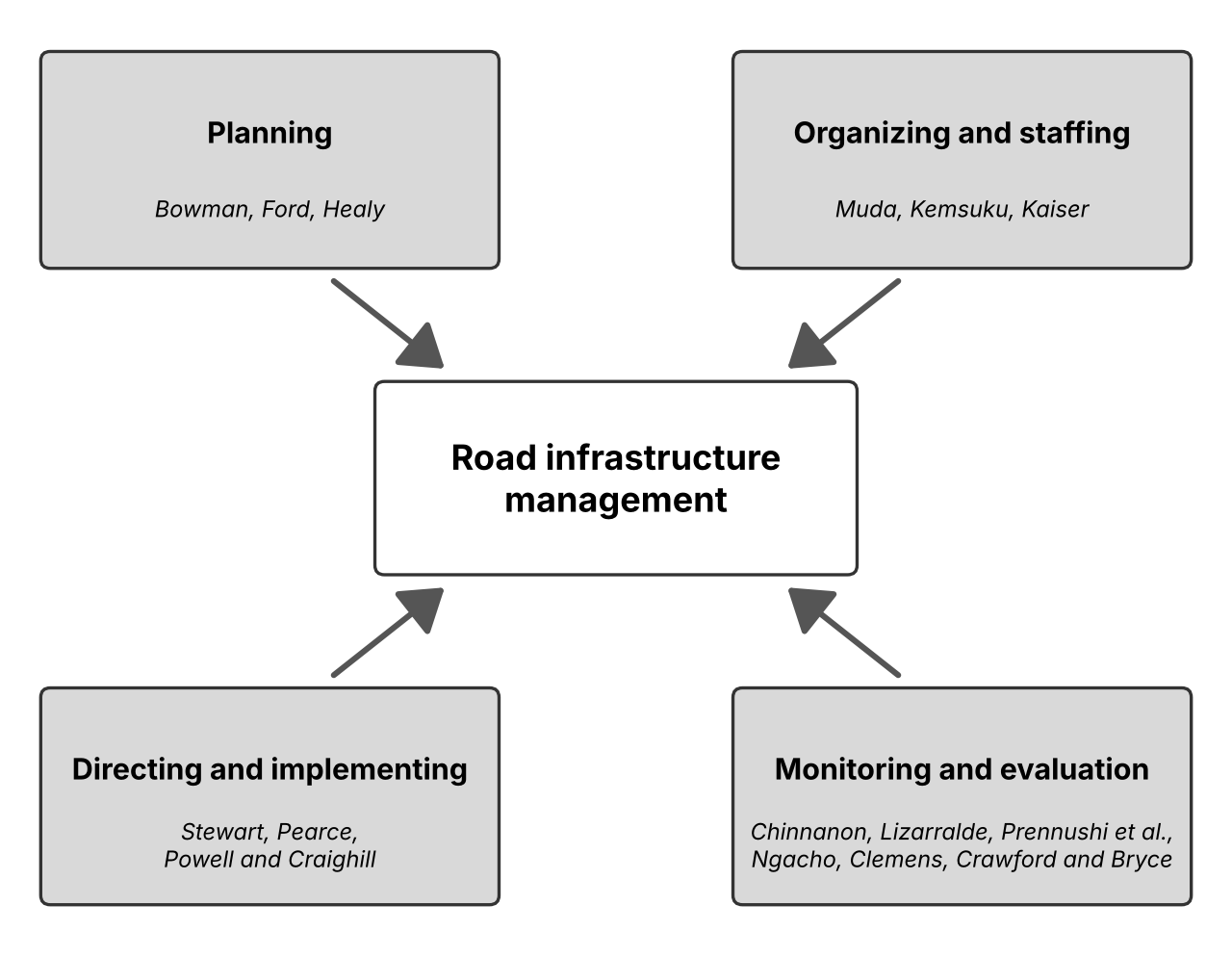
Edward Kaiser signifies that the opponents and critics of the present practice of urban planners are inaccurate. He mentioned that out of the numbers of planning organizations and the inclusion of planning into various aspects of governing cities, urban planning has constituted a greater success when it comes to project implementation.
According to Stewart, the effective construction may affect all concerns pertaining to activities such as industrial and commercial. Pearce (1999) mentioned that the team management in every project implementation sets the activities and better results as expected by the project workers. Project implementations helping the construction industry develop towards sustainability according to Powell and Craighill.
According to Crawford and Bryce, the monitoring and evaluation system are accessed for each phase of the project being specified as methods, techniques and systems for implementing the processes. However, according to Giovanna Prennushi, Gloria Rubio, and Kalanidhi Subbarao, monitoring and evaluation should be used as tools for learning and organizational feedback. Dr. Sanong Chinnanon said, that the Regional Centre for East Asia and the Pacific has initiated the development project document for working to assist the training on project monitoring and evaluation. Gonzalo Lizarralde proposed the post-disaster housing project to evaluate the efficiency, results, timing, quality, pertinence, acceptability, strategy, impact, scope, and the external aspects.
1.2Conceptual background
The Cebu City Government through the Cebu City Development Council (CCDC) has considered and endorsed the list of development projects for inclusion in the Annual Investment Program (AIP) for Calendar Year 2023 to the Cebu City Council or Sangguniang Panlungsod (SP), containing Socio-Economic and Environmental Projects. The sources of funds shall be taken from the 20% share of the Internal Revenue Allocation (IRA) for Cebu City. The development projects shall conform the policy guidelines of the DILG-DBM Joint Memorandum Circular No. 2011-1 dated April 13, 2011.
The study focused on the profiling of the implemented road projects which includes the location of the projects, the kind of existing roads, the funds needed to the projects, the date to start and completion of the projects, and the number or personnel involve in the implementation of the projects.
The road infrastructure projects managed in accordance with the planning standard requirements, organizing and staffing standard requirements, directing and implementing standard requirements and the monitoring and evaluation standard requirements.
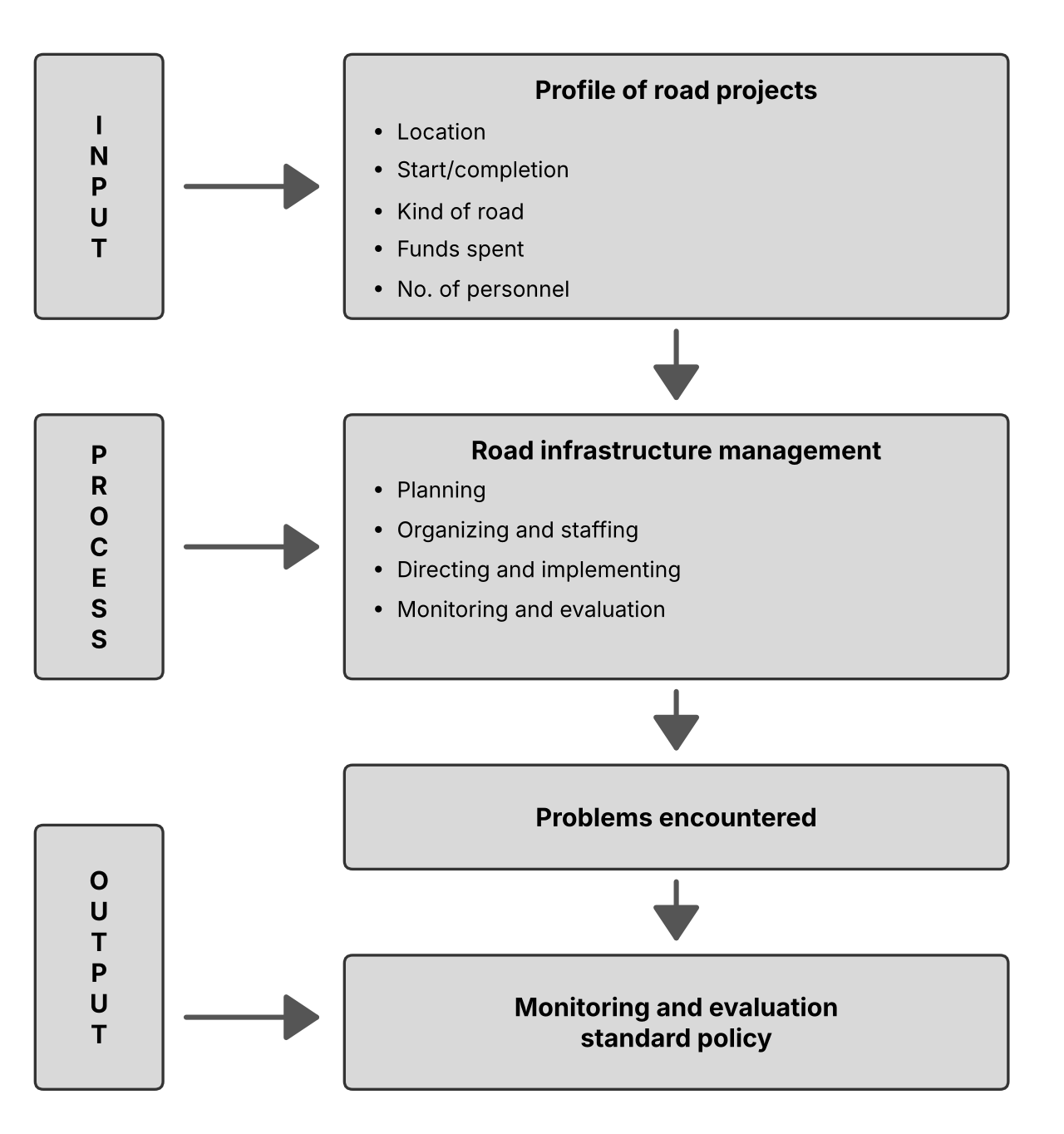
In relation to problems encountered in the road infrastructure management, the researcher prepared two (2) instruments, the researcher-made survey questionnaire; and the interview schedule for the subjects and validators of the projects. The subjects of the projects include the technical staff of the City Planning and Development Office (CPDO), the Department of Engineering and Public Works (DEPW), and the members of the Project Monitoring and Evaluation Committee of the Cebu City Development Council (CCDC-PMEC). The barangay captains and the barangay councilors will constitute as the validators of the project.
Policies can be recommended and formulated for monitoring and evaluation standards for road infrastructure projects by the Cebu City Development Council (CCDC) as the planning body and the Cebu City Council or Sangguniang Panlungsod (SP) as the legislative body.
1.3Statement of the problem
The vital problem of the study is to assess the management of road infrastructure projects of the City of Cebu, for Calendar Year 2023 and to recommend monitoring and evaluation’s policy standards for Local Project Evaluators.
The study sought to answer the following questions:
- 1. What is the profile of the road infrastructure projects implemented in terms of location; start and completion dates; length and width of road; kind of road; funds spent and cost of project; and number of personnel involved?
- 2. To what extent are the road infrastructure projects managed in accordance with the planning standard requirements; the organization of works and staffing of personnel standard requirements; the directing and implementing standard requirements; and the monitoring and evaluation standard requirements?
- 3. What were the problems encountered in the management of road infrastructure projects?
- 4. What policy can be formulated and recommended based on the monitoring and evaluation standard for road infrastructure projects from the planning to the evaluation phase?
1.4Significance of the study
The importance of road infrastructure project depends heavily upon the interaction between objectives and evaluation methods in the analysis, monitoring and evaluation methods. There is obviously a need for tools by which the monitoring and evaluation team or committee may take stock their work, projects, the date to start and completion of the projects, and the number of personnel involve in the implementation of the projects.
The study is deemed significant to the following:
- Cebu City Development Council. They are the group of people tasks to supervised and coordinate activities of the project monitoring and evaluation committee (PMED); evaluate problems encountered in the implementation of the project and to provide possible remedies at their levels or vital issues to relevant units or the next level development council;
- Project Monitoring and Evaluation Committee (PMEC). They are the people who will provide schedule of all development projects to be monitored; collect and process monitoring reports on the status of the project implementation for the information of the development council; identify main issues and analyze the current information for possible solution to the problem by the members of the Cebu City Development Council;
- Technical Working Group (TWG). They are the people who will coordinate with Bids and Award Committee (BAC) of the Local Government Unit (LGU) for project passed upon by them; collect list of projects for the current years; prepare matrix diagram regarding the monitoring activities undertaken by the PMC during any given fiscal year; prepare a monitoring plan at the start of the year as basis for project monitoring and evaluation activities during the year;
- Secretariat. They are the people who will prepare minutes of all CCDC-PMEC meetings and site monitoring and project evaluation; prepare schedule of project site visits for every monitoring activity and for the current year submitted by TWG; provide assistance in getting access to more detailed information on project implementation; prepare power point presentation reports of the projects monitored by the PMEC and evaluated by the TWG; and follow-up necessary documents for the PMEC and TWGs concern.
- Legislators. These are the people who writes and passes laws especially someone who is a member of a legislature. They mold ordinances for the formulation of project monitoring and evaluation’s policy of any development that would initiate progress. Legislators are usually politicians and are often elected by the people may be national, regional, or local level.
- Local Chief Executive. The elected local public official who do the act as the executive of the locality and implement ordinances drawn by the local legislative body for the development and improvement of the locality.
- Contractor. The proprietor/owner of the company who wins the bidding and awarded with contract to proceed the implementation and completion of the project. He is responsible for daily oversight of a construction site, provides the materials for construction, labor, equipment, tools and services essential to the construction activities for the project. The contractor employs experience subcontractors to act some portions of the construction activity. Responsibilities may include the processing of necessary permits for the construction, such as zoning clearance, building permits, securing the project site, providing temporary bank houses on project site, management of workers, providing site survey team and engineering team, disposing of construction recycling materials, construction waste products, monitoring the timeliness of the project and the cash flows, and maintaining project records.
- Road Users. Persons who are either drivers or passengers who passed by the road regularly to speed up their transaction or business to save time and feel comfort of government service. Someone who uses a hard track for vehicles, a long-surfaced route to be driven on its course of action or a behavior that leads to a particular outcome.
- Motorists. A person driving a vehicle with wheels passing through the roads in the barangays for convenience and observing the traffic rules and regulations.
- Researchers. A person who organized the study as to investigate a subject in order to discover facts, create or change the theory to develop an action in accordance with the facts that discovered methodically.
- Future researchers. Their research would serve as an added reference material when researchers related to this paper are conducted. Some of the basic things you might want to know may be answerable through this research work. Research work made it possible to not only make those things, but to improve upon them and produce them at affordable amount.
1.5Delimitation of the study
Topic Limitation. The research limits only to the study on management process of planning, organization and structure, directing and implementation and the monitoring and evaluation on road infrastructure projects in Cebu City.
Subject Limitation. The respondents of the study were limited to the subjects and validators of the road infrastructure projects. The subjects of the study include the technical staff of the City Planning and Development Office (CPDO) and the Department of Engineering and Public Works (DEPW), and the appointed members of the Cebu City Development Council (CDC) – Project Monitoring and Evaluation Committee (PMEC); while the validators of the study includes the twenty-seven (27) Barangay Captains and the twenty-seven (27) Barangay Councilor, who are the Chairmen of the Committee of Infrastructure, all of Cebu City.
Place Limitation. The Study conducted twenty-seven (27) barangays out of eighty (80) barangays of Cebu City, having a road infrastructure projects implemented and completed.
Time Limitation. The study only limits during the period from CY 2014 to CY 2015 when all data and documents were observable and available in the City Planning and Development Office (CPDO) and the Department of Engineering and Public Works (DEPW) during its monitoring and evaluation of infrastructure project.
1.6Definition of terms
Evaluation. Evaluation is the assessment of a project’s relevance performance, effectiveness, impact and sustainability relative to the goals. Evaluation validates date that inform possible decisions in improving the future project or program for development. Evaluation support to obtain best conclusions to some issues of implementation as relevance, effectiveness, efficiency, impact and sustainability.
Gantt Chart. A Gantt chart is a draft or illustration, which specifies the normal axis to functions that perform during the project implementation. Each lines contains working assignments, which usually comprises a number coding, a name and the assigned task. The transversal axis is headed by columns indicating the listed the timeliness of the working task. The level of its task is essential to the project implementation, and the name of the worker assigned to the functions, followed by one column for the timeliness of the worker task. Each task may be expressed in hours, days, weeks, months, and other time units.
Implementers. This refers to the technical staff of the City Planning and Development Office (CPDO), technical staff of the Department of Engineering and Public Works (DEPW), and the Members of the Cebu City Development Council (CCDC) – Project Monitoring and Evaluation Committee (PMEC). The inclusion of the CPDO and DEPW technical staff to the study are based on the mandate of respective department’s functions of the Republic of the Philippines.
Monitoring. It is the continuous validation of project implementation relative to the indicated schedule of activities and following the inputs for the implemented projects. It is the method and daily collection of data and information from projects, programs, and activities for its essence, namely, to understand the processes based on actual experiences to improve the project implementation which is essential to future projects; to observe accountability of the materials and equipment being used in the construction during the implementation of the projects; to produce good decisions on the future of the project implementation; and to empower the proponent of the project implementation.
Project Evaluation Review Technique (PERT) and Critical Path Method (CPM). PERT-CPM is project management techniques, which have been created out of the need to plan, schedule and control complex projects. It is a network analysis as the technique developed along two parallel streams, one industrial and the other military.
Policy Formulation. It is the set of rules and regulations, resolutions or ordinances as a tool to refer the legality in the implementation of a certain projects, programs and activities of the city from planning to the evaluation of road infrastructure projects.
Project Management. It is the application of information, skills and systems to implement project efficiently. It is a strategic system for organizations, enabling them to join the outcomes of the project to organizations goals. Project management systems include the planning, organizing and staffing, implementing and directing, and monitoring and evaluation the projects, programs and activities.
Road Infrastructure Management. It is the management which organize as part of road infrastructure, including the structure and materials for a roadway, a bridge, a culvert or a structure forming part of a roadway, and the materials such as asphalt, bitumen, gravel, and sand.
Road Infrastructure Project. This refers to the proposed or implemented road projects which will be constructed based on the approved set of plans, details, specifications, and the program of works and estimates. Road maintenance is one of the road projects which is essential in order to preserve the road in its originally constructed condition, to project adjacent resources and user safety, and to provide efficient, convenient travel along the route.
Technical Planning for Validators. This refers to the proponents of the projects, such as the Barangay Captains and the Barangay Councilors (chairperson of the committee on infrastructures) of Cebu City who were given by CPDO and DEPW/DILG with seminar-workshops on project planning and document’s preparations in order to equip them on how to monitor and evaluate road projects in the planning and implementation. They are the people who are responsible to plan the structures of the barangay, to redevelop the status of the barangay as a whole, and to redevelop the policy and the environment. Their involvement in the management of road infrastructure projects is essential during the planning and implementation period of the project at their respective barangays. They are also the end users, the pedestrians and the motorist who will benefit for the road project.
2Research methodology and procedures
2.1Method
The research study used both the quantitative and qualitative method of research, as it constitutes information coming from interviews and questionnaires for proposals coming from local respondent/informants.
The qualitative research rectifies on subjective data, such as feelings, experiences or ideas, and information that cannot be scientifically quantified. In-depth interviews are essential for gathering objects such as personal histories and visions. Aside from the weakness to generalize from in-depth interviews, the “observer outcome” can also set aside the outcomes with this ability.
The quantitative studies are the alternate, shake-off subjectivity in lieu of its essence; rectify on statistics and quantifiable data. Quantitative research commonly uses questionnaires as criteria of profitable information from a number of subjects. To enable abstraction and weight of the results, the questions included are providing better selection between a number of dilemmas. An advantage of this practice is that many users can be examined at once, and the report gathered can be easily verified. A disadvantage is the contiguous type of questions.
2.2Research environment
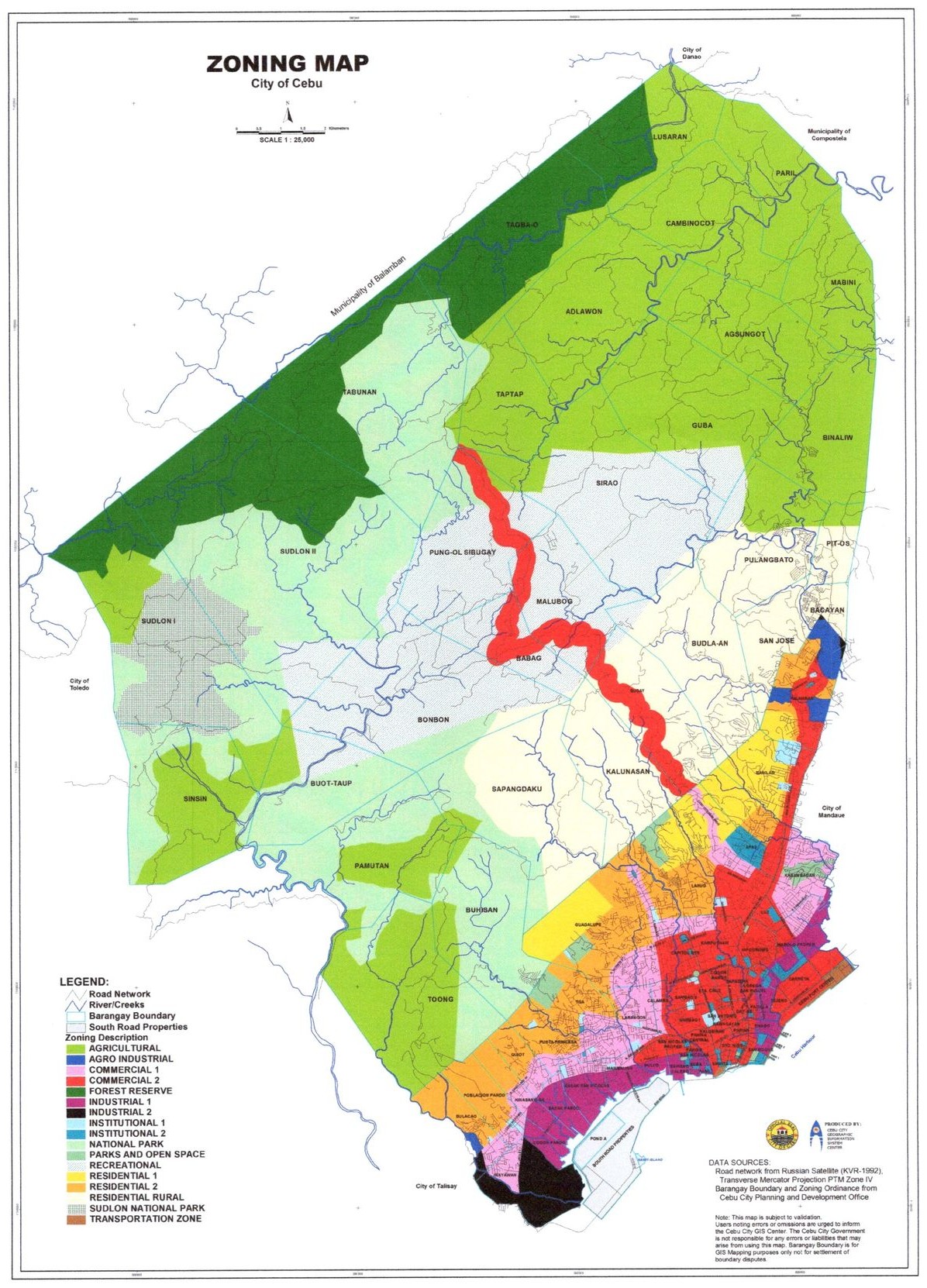
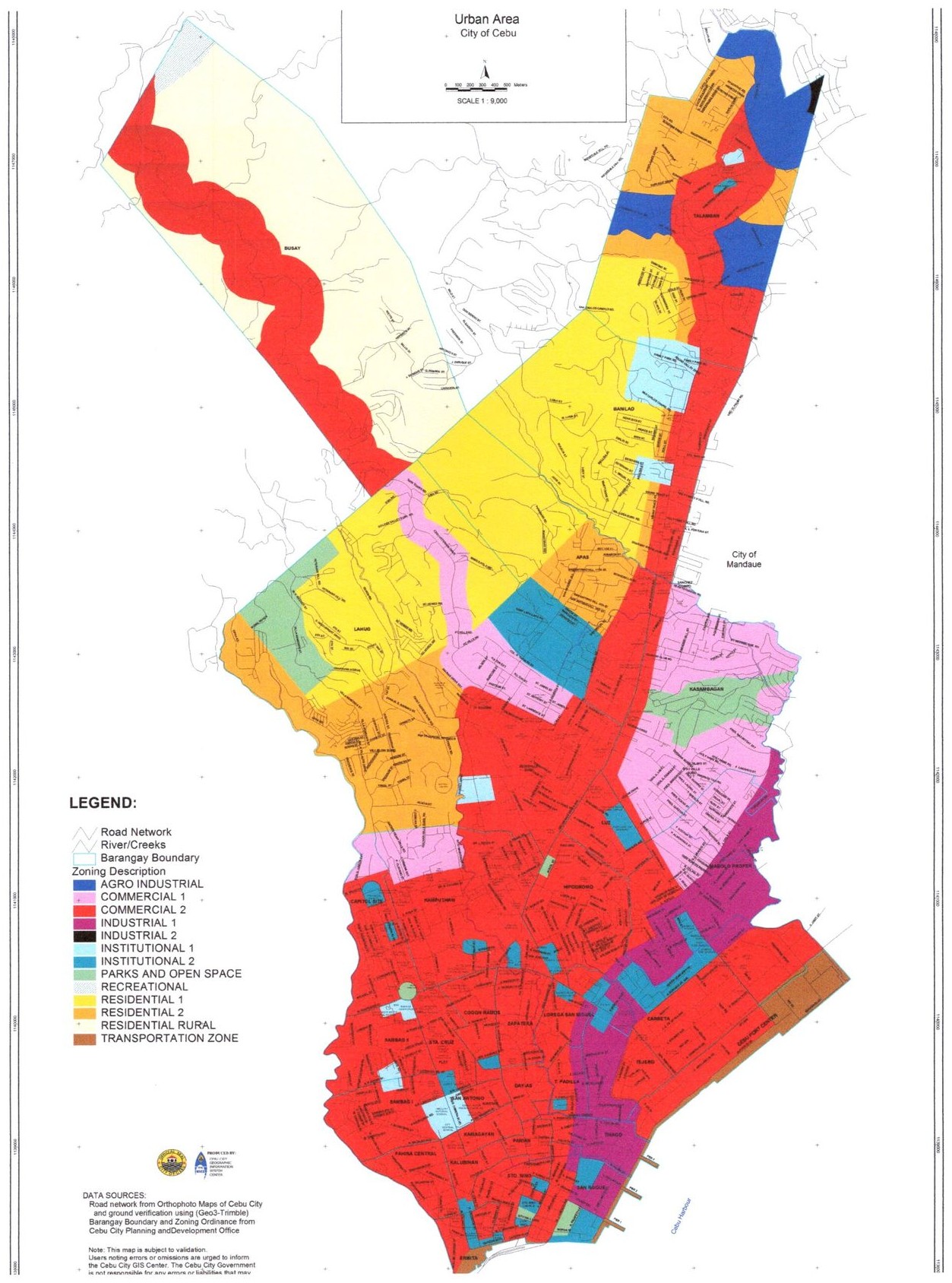
Cebu City is located on the mid-eastern portion of the province of Cebu, an island at the center of the Visayas of the Republic of the Philippines. It is bounded by the city of Mandaue in the North and the city of Talisay City in the South. On the Eastern side is the Mactan Channel, while the municipality of Balamban and the city of Toledo surrounded Cebu City on the Western part. From outside the province, Cebu City is reachable using transportation by aircraft and sea craft. It is an hour or less by aircraft from Cebu to Manila and other local airports of different provinces and a few hours to reach most of the cities in the Asia Pacific region.
Cebu City constitutes only of a small community during the Spanish period and for a time did not even include the former municipalities of Mabolo and Pardo. The city is composed of 80 barangays, grouped into Thirty (30) South District barangays and Fifty (50) North District barangays, including Mabolo in the north and Pardo in the south. Fifty (50) of the barangays are classified by the city government as urban, and Thirty (30) of which are classified as rural barangays.
The City Planning and Development Office (CPDO) placed the total land area of the city at 326.10 square kilometers. In their latest study Father Flieger and Cusi using the Geographical Information System (GIS) at the University of San Carlos-Water Resource Center (SUC-WRC) gave an area of 279.45 square kilometers for the city. In a publication in 1994 the Census Office also placed the total land area of the city at 280.6 square kilometers. Considering this, Cebu’s total land area is equivalent to six percent of the entire province of Cebu, the largest among the 9 cities and 46 municipalities in the province. The said are tasks to prepare Comprehensive Land Use Plan (CLUP); Comprehensive Development plan (CDP) and other development planning documents for approval of the City Development Council (CDC) to endorse at the City Council; they are also task to formulate integrated socio-economic profile, physical and other development plans, programs and policies; to conduct studies continuously in relation to planning and development of the city; to conduct research and training programs essential to the evolution of plans and programs of the Local Government Unit (LGU) for implementation purposes; to conduct monitoring and evaluation of the implemented projects, programs, and activities in the Local Government Unit (LGU) in accordance with the approved development plan of the city; to analyze the income and expenditure of Cebu City and formulate and recommend fiscal plans and policies for approval of the local finance committee for as provided under Title Five, Book II of the Local Government Code; to promote the participation of non-governmental organizations and/or peoples organizations (NGOs/Pos) in planning the development of the city; to supervise and control the secretariat of the city development council during the full council meeting; and to exercise other powers and perform functions and duties as may be mandated by law or ordinance.
The Department of Engineering and Public Works (DEPW) are mandated to provide, regulate, and maintain a quality public infrastructure service. The DEPW shall provide, regulate, and maintain good quality services to the public on infrastructure projects. The DEPW shall initiates, assess, validate and recommend additional changes of the design, plans, and details of the project before the implementation of the project; provide engineering services to the city, including investigation and survey of the project site, prepares the engineering designs, feasibility studies, and project management; and to exercise other powers and perform functions and duties as may be mandated by law or ordinance.
The Cebu City Development Council (CCDC) approved a road infrastructure projects amounted to P194,357,750.40 included in the Annual Investment Plan (AIP) for Fiscal Year 2023, as per CDC Resolution No. 06-0621 series of 2023 dated June 21, 2023. The approved budget as mentioned earlier is to be funded under the Local Development Fund (LDF) of no less than Twenty Percent (20%) of the city’s share in Internal Revenue Allocation (IRA). The breakdown of the project costs is distributed among the twenty-seven (27) barangays of Cebu City.
2.3Research participants
The participants of the study are the implementers and the validators. The implementers are the technical staff of the City Planning and Development Office (CPDO) and the Department of Engineering and Public Works (DEPW); and the Cebu City Development Council-Project Monitoring and Evaluation Committee (CCDC-PMEC). The composition of the CCDC-PMEC are the DILG-City Director as the Chairman of the Committee, five (5) barangay Captains and Five (5) Non-Governmental Organizations (NGOs) duly accredited by the local government unit (LGU) as mandated under the Republic Act (RA) 7160, also known as the Local Government Code of 1991. The participants that will act as validators of the projects are twenty-seven (27) Barangays Captains and twenty-seven (27) Barangay Councilors. The barangays involved in the study were those barangays whose proposed road infrastructure projects, and they are the barangays of Agsungot, Apas, Banilad, Bonbon, Budlaan, Buhisan, Bulacao, Cambinocot, Capitol Site, Carreta, Cogon Pardo, Guba, Lusaran, Pahina Central, Paril, Pit-os, Pulangbato, Pung-ol Sibugay, Punta Princesa, Quiot, Sambag II, Sapangdaku, and Sudlon I.
| Participants | No. of respondents | Percentage |
|---|---|---|
| Implementers | ||
| 1.1 CPDO | 15 | 15% |
| 1.2 DEPW | 16 | 16% |
| 1.3 CCDC-PMEC | 15 | 15% |
| Validators | ||
| 2.1 Barangay Captains | 27 | 27% |
| 2.2 Barangay Councilors | 27 | 27% |
| Total | 100 | 100% |
CPDO = City Planning and Development Office; DEPW = Department of Engineering and Public Works; CCDC = Cebu City Development Council; PMEC = Project Monitoring and Evaluation Committee.
2.4Research instruments
The researcher utilized two (2) instruments namely: first, researcher-made survey questionnaire; and second, interview schedule that were being tested for its reliability in areas not included as sample for the research activities and at the same time adopted the standardized project monitoring and evaluation criteria. The said study survey questionnaire is made to prepare a profile of road infrastructure projects of the different barangay and adopted for project monitoring and evaluation activities. The document includes the approved Annual Investment Plan for CY 2023 (AIP 2023) and funded under the Local Development Fund (LDF) series of 2023 dated June 21,2023
The first part of the questionnaire is composed of questions pertaining to standard requirements of management of road infrastructure projects as to planning, organizing and staffing, directing and implementing, and monitoring and evaluation. The second part is about the questionnaire assess the level of implementation of planning standard requirements; organization of works and staffing of personnel standard requirements; directing and implementing standard requirements; and monitoring and evaluation standard requirements of road infrastructure project in Cebu City. The third part of the questionnaire is the identification of problem encountered in the management of road infrastructure project.
The interview schedule for the implementers and validators were asked on the level of management according to planning, organization of works and staffing of personnel, directing and implementing, and monitoring and evaluation of road infrastructure projects.
The data was gathered from the approved Annual Investment plan (AIP) for CY 2023 at the City Planning and Development Office (CPDO) as the lead department to provide support to the Cebu City Development Council (CCDC) who adopted the plan and endorsed at the Sangguniang Panlungsod as the approving council for the development projects under AIP 2023. The copy of reports on the status of the development projects included in the plan and funded under the Local Development Fund (LDF) was gathered from the Department of Engineering and Public Works (DEPW) as the implementing department. The projects listed for AIP would be considered non-recurring or have a sustaining life of not less than 15 – years or preferably 20-years or more and classified as capital investment. The department of the Interior and Local Government (DILG) and the Department of Budget and Management (DBM) Joint Memorandum Circular 2011-1 dated April 13, 2011, stated Amending DILG-DBM Joint Memorandum Circular No. 1, dated September 20, 2005, entitled, “Guidelines on the Appropriation and Utilization of the 20% of the Annual Internal Revenue Allotment for Development Projects” and DILG Memorandum Circular No. 2010-138 dated December 2, 2010, entitled, “Use of the 20% Component of the Annual Internal revenue Allotment Shares”. The objectives of the JMC 2011-1 are to provide guidelines on the appropriation and utilization of no less than twenty percent (20%) of the Internal Revenue Allotment (IRA) for development projects; to enhance transparency and accountability of local government units in undertaking development projects; and to include projects in addressing and responding to natural and manmade disasters and calamities. The general policies for the development projects are in accordance with Section 287 of the Local Government code, that every LGU shall appropriate in its annual budget no less that twenty percent (20%) of its annual Internal Revenue Allotment for development projects. It may be utilized to finance the priority development projects and programs, as embodied in the duly approved local development plan that directly support the Philippine Development Plan, the Medium-Term Public Investment Program and the Annual Investment Program. All projects to be funded shall contribute to the attainment of desirable socio-economic development and environmental management outcomes.
2.5Research procedure
The environment of the study was visited by the researcher for the conduct of the interview and the distribution of survey materials. But before the conduct of the survey, a transmittal letters were first sent to the City Mayor, the technical staff of the CPDO and the DEPW, and the members of the CCDC-PMC, informing them of the purpose. It is also mentioned in the letter that only twenty-seven barangays in Cebu City that contribute in the management of road infrastructure projects on monitoring and evaluation standard policy will be visited. The barangays that were chosen as sample will then serve as the representative of the whole city. The twenty-seven barangays are the following, to wit; Agsungot, Apas, Banilad, Bonbon, Budlaan, Buhisan, Bulacao, Cambinocot, Capitol Site, Carreta, Cogon Pardo, Guba, Lusaran, Pahina Central, Paril, Pit-os, Pulangbato, Pung-ol Sibugay, Punta Princesa, Quiot, Sambag II, Sapangdaku, and Sudlon I.
The participants were given a questionnaire written in English for the purpose of getting the true sentiments pertaining to all actual situation experienced by them from day-to-day activities. After the questionnaires were being filled up by the respondents they were collected and the data were compiled for analysis and given statistical computation.
2.6Data analysis
After the interview of selected respondents and the distribution of questionnaires. The researcher collected the accomplished questionnaires, tallied the responses, and processed the data. The statistical formula uses by the researcher in the implementation of the data are specified below. The statistical test was chosen as the researcher wanted to get a good outcome of the activity whether there are responses at different categories.
2.6.1Percentage and ranking
The simple percentage formula determined the percentage and ranking of respondents answering similarly common items with similar ratings assigned for each item. Percentage is a number or ratio expressed as a fraction of 100, and it is a dimensionless number or a pure number. A ranking is a relationship between a set of items such that, for any two items, the first is either ranked higher than, ranked lower than or ranked equal to the second. The ranking themselves are totally ordered.
2.6.2Weighted mean
The weighted mean is similar to an arithmetic mean where instead of each of the data points contributing equally to the final average, some data points contribute more than others. The notion of weighted mean plays a role in descriptive statistics and also occurs in a more general form in several other areas of mathematics. In calculating the weighted mean from the frequency distribution, the formula was being used. In order to arrive at a definite interpretation of the responses in each item, the researcher assigned a hypothetical mean range to the scales.
| Range | Scale | Adjectival equivalent | Description |
|---|---|---|---|
| 3.26–4.00 | 4 | Well managed (WM) | Strongly agree that road projects are well managed. |
| 2.51–3.25 | 3 | Satisfactorily managed (SM) | Agree that road projects are managed satisfactorily. |
| 1.76–2.50 | 2 | Fairly managed (FM) | Slightly agree that road projects are fairly managed. |
| 1.00–1.75 | 1 | Poorly managed (PM) | Strongly agree that road projects are poorly managed. |
3Results and discussion
This chapter contains data gathered from the respondents of the study. The data were intended to assess and to formulate policy in the management of monitoring and evaluation of road infrastructure projects.
The data gathered were essential items in the level of management of monitoring and evaluation of road infrastructure projects; the planning standard requirements; the organizing and staffing standard requirements; the directing and implementing standard requirements; the monitoring and evaluation standard requirements; and the problems encountered in the management of road infrastructure projects. All data and information gathered were the items considered as the basis in the policy formulation for the study.
3.1Profile of the road infrastructure projects implemented
The implemented road infrastructure projects which will be constructed based on the approved set of plans, details, specifications, and the program of works and estimates. Road maintenance is one of the road projects which is essential in order to preserve the road in its originally constructed condition to protect adjacent resources and user safety and to provide efficient, convenient travel along the route.
Table 3 shows the profile of road infrastructure projects implemented.
| Road project | Project location | Project cost (PHP) | Date started/completed | Length and width | Kind of road (earth/asphalt/concrete) | No. of personnel working |
|---|---|---|---|---|---|---|
| Road concreting | Sitio Nazareth going to Tubod, Buhisan | 10,000,000.00 | December 2014 / June 2015 | 6 m × 1.43 km | Concrete | 15 |
| Road concreting | Villa Bulsita to Cabangcalan I, Bulacao | 4,000,000.00 | August 2014 / January 2015 | 6 m × 0.57 km | Concrete | 10 |
| Road concreting | Purok 7, barangay Cambinocot to barangay Paril | 3,541,869.00 | October 2014 / April 2015 | 6 m × 0.51 km | Concrete | 8 |
| Road concreting | Waling St. Sitio Waranda Capitol Site | 3,870,567.00 | July 2014 / December 2015 | 6 m × 0.55 km | Concrete | 10 |
| Road concreting | Sitio Hubao to boundary of barangay Guba | 8,290,005.00 | July 2014 / March 2015 | 6 m × 1.18 km | Concrete | 15 |
| Road concreting | Sitio Hagnum to Proper Lusaran | 20,000,000.00 | September 2014 / June 2015 | 6 m × 2.86 km | Concrete | 20 |
| Road concreting | Proper Tubli, Paril | 2,500,000.00 | October 2014 / April 2015 | 6 m × 0.36 km | Concrete | 8 |
| Road concreting | Sitio Candarong going to Sitio Tanay Road Pulangbato | 5,999,264.00 | July 2014 / January 2015 | 6 m × 0.86 km | Concrete | 12 |
| Road concreting | Sitio Lobres Road and Ughay Road, Pung-ol Sibugay | 8,000,000.00 | August 2014 / April 2015 | 6 m × 1.14 km | Concrete | 15 |
| Road concreting | Doña Maria Village II, Punta Princesa | 3,118,399.00 | July 2014 / February 2015 | 6 m × 0.45 km | Concrete | 10 |
| Road concreting | Sitio Kadianoy to Kahugan Sapangdaku | 10,000,000.00 | August 2014 / May 2015 | 6 m × 1.43 km | Concrete | 12 |
The profile of road infrastructure project shows the name of project, the project location, the amount or cost of project, the date started to date of completion, the length and width of road and the number of workers who worked the road concreting projects. Out of twenty-seven (27) road concreting projects in Cebu City only eleven (11) barangays completed the road concreting projects. These barangays are Buhisan, Bulacao, Cambinocot, Capitol Site, Guba, Lusaran, Paril, Pulangbato, Pung-ol Sibugay, Punta Princesa and Sapangdaku. The implementations of road concreting projects of other barangays are still on-going. These barangays include Adlaon, Agsungot, Apas, Banilad, Bonbon, Budlaan, Carreta, Cogon Pardo, Kasambagan, Pahina Central, Pit-os, Quiot, Sambag II, Sudlon I, Tabunan and Zapatera. These projects are included in the approved Annual Investment Plan (AIP) for calendar year 2014 covering the socio-economic and environmental development projects in Cebu City. The Cebu City Development Council approved the AIP 2014 on June 21, 2013 as per CCDC Resolution No. 06-0621 series of 2013. The project in the AIP 2014 are to be funded under the 20% share of the Internal Revenue Allocated (IRA) for Cebu City and also known as the Local Development Fund (LDF).
There were eleven (11) road concreting projects were completed from July 2014 to June 2015. The remaining sixteen (16) projects are still an on-going in their implementation. The non-completion of the project as per approved contract on the duration of project causes congestion of traffic and delays in transporting agricultural goods and products to the market. It also implicates with all commuters and road users to arrive on time to their respective destinations, especially the students leading to schools. The workers reporting to their respective workplace, and tourists (local and foreign) to attend at their respective itineraries.
The Department of the Interior and Local Government (DILG) and the Department of Budget and Management (DBM) Joint Memorandum Circular 2011-1 dated April 13, 2011, stated Amending DILG-DBM Joint Memorandum Circular No. 1, dated September 20, 2005, entitled, “Guidelines on the Appropriation and Utilization of the 20% of the Annual Internal Revenue Allotment for Development Projects” and DILG Memorandum Circular No. 2010-138 dated December 2, 2010, entitled, “Use of the 20% Component of the Annual Internal revenue Allotment Shares”.
3.2Level of road infrastructure management
The adequate monitoring and evaluation of road infrastructure projects is progressively identified as a vital instrument of the project and management. The importance to improve the performance of development services calls for focus attention to the provision of management information, both to help the implementation of projects and programs and to pasturage information into the design of new dynamism. Monitoring and evaluation provides a ground for blameworthiness in the use of development resources. Given the greater pellucidity now anticipated on the area of development, governments and agencies supporting them is essential to answer to orders for more accomplishment on the ground with standards of development results and with proof to justify that they have methods in place that helps understand from the activities. Used anxiously at all phases of the project cycle the monitoring and evaluation which support the activities to strengthen the project design during implementation phase and inspire affiliations with project proponents. Consistency in analyzing the project design can accentuate the results of previous interruptions in implementation of the projects. The process of choosing indicators for monitoring is a trial of the validity of project purposes and can bulge to improvements in project design.
Table 4 shows level of road infrastructure management.
| Indicators | Implementers | Validators | ||
|---|---|---|---|---|
| Weighted mean | Description | Weighted mean | Description | |
| Monitoring and evaluation of road infrastructure projects | 3.20 | Satisfactorily managed | 3.39 | Well managed |
| Directing and implementing of road infrastructure projects | 3.02 | Satisfactorily managed | Well managed | |
| Organization and structure of road infrastructure projects | 3.17 | Well managed | 3.11 | Well managed |
| Planning of road infrastructure projects | 2.67 | Well managed | 2.78 | Well managed |
| Average weighted mean | 3.02 | Well managed | 3.14 | Well managed |
Legend: 3.26–4.00 (4) = well managed; 2.51–3.25 (3) = satisfactorily managed; 1.76–2.50 (2) = fairly managed; 1.00–1.75 (1) = poorly managed.
The level of road infrastructure projects management was satisfactorily managed as agreed by the implementers and the validators with an average weighted mean of 3.02 and 3.14, respectively. Both implementers and validators had their common views that rank number one (1) in the level of management was according to monitoring and evaluation of road infrastructure projects with a well-managed remark of the validators and satisfactorily managed by the implementers.
The participants agreed that the indicators according to directing and implementing, and organizing and staffing of road infrastructure projects shall be of a status quo on the level of management. However, the level of management according to planning of road infrastructure projects shall be given a keen attention having its low outcome with satisfactorily managed remark at 2.67 for the implementers and 2.78 for the validators.
This prove the theories of Powell and Craighill, and Bowman. According to Powell and Craighill (2000), the team management in every project implementation sets the activities and better results as expected by the project workers. He added that before the construction activity the design and details of the project has to be applied from the plan to the implementation phase. Project implementations helping the construction industry develop towards sustainability. A project management plan sets expectations for the members of the created groups in planning the project to avoid delays in the implementation phase (Bowman, 2009).
3.2.1Planning standard requirements
The planning standard requirements under the policy direction of the Department of Public Works and Highways (DPWH) and the Department of Engineering and Public Works (DEPW) provide and maintain satisfactory, fair, cost effective and effective road infrastructure in order to speed up the national and local development in an environmentally sustainable aspect. Implicit in these far ranging importance and answerability to ensure that the existing roads are satisfactorily maintained in an environmentally friendly way in order to provide relevant level of service for road users; to improve existing roads to required standards to enable them to carry predominant levels of traffic with regard to the essential degree of safety and environmental standard; and to provide environmentally friendly new roads to the required pavement design and safety standards. The planning standards need an overall project management assistance including project program, deposition administration, progress control and accomplishment, affirmation control and technical assistance. Quality control and quality assertion related to the construction of roads including signage and marking, intersection signaling, street lighting and storm water drainage shows an essential factor in planning requirements of road infrastructure projects. It also required examining the contractor’s program for conformity with contract requirement and major planning standards and techniques.
Table 5 shows the level of planning standard requirements of road infrastructure projects.
| Indicators | Implementers | Validators | ||
|---|---|---|---|---|
| Weighted mean | Description | Weighted mean | Description | |
| Establish a technical working group to manage the review of projects. | 3.33 | Well managed | 3.22 | Satisfactorily managed |
| Prepare implementation plan for the review of project | 3.24 | Satisfactorily managed | 3.46 | Well managed |
| Mobilize human and financial resources | 3.20 | Satisfactorily managed | 2.78 | Satisfactorily managed |
| Plan logistics – field visits, workshops or meetings and transport | 3.22 | Satisfactorily managed | 3.28 | Well managed |
| Constitute the review team of consultants | 3.09 | Satisfactorily managed | 3.11 | Satisfactorily managed |
| Average weighted mean | 3.21 | Satisfactorily managed | 3.17 | Satisfactorily managed |
Legend: 3.26–4.00 (4) = well managed; 2.51–3.25 (3) = satisfactorily managed; 1.76–2.50 (2) = fairly managed; 1.00–1.75 (1) = poorly managed.
The planning standard requirements of road infrastructure projects as agreed by the participants are managed satisfactorily with an average weighted mean of 3.21 by the implementers and 3.17 by the validators. The establishment for a technical working group to manage the review of projects ranked number one (1) by the implementers or described as well-managed, while the validators ranked it number three (3) only with a weighted mean of 3.22 or managed satisfactorily remark. The preparation of the implementation plan for the review of project equipment ranked number one (1) by the validators and ranked number two (2) by the implementers.
The participants agreed a satisfactorily managed remark on the planning standard requirements. Establishing a technical group to manage the review of project received a well-managed remark by the implementers, while the validators overwhelmed the preparation of the implementation plan for the review. However, in constituting the review team of the consultants in the planning standard requirements, it needs a keen attention due to its low result of survey where the participants agreed.
This proved the theories of Bowman (2009), Ford (2004) and Healy (1993). According to the statement of David Bowman (2009), a project management plan sets expectations for the members of the created groups in planning to avoid delays in the implementation phase. Ford stated that the management team sets expectations for the rest of the members of planning team. Healy mentioned that the key to plan the project is empowerment of the individual. The citizens are part in drafting the plan, not just only the planner of the project as a whole.
3.2.2Organizing and staffing standard requirements
This standard requirement shows how monitoring and evaluation can assist a project to understand about the work, and how can it lead a project to attain greater waves on poverty reduction. It is connected to all possible users, project managers and monitoring and evaluation personnel from helping institutions and discusses the requirement of impact-oriented management by leading the overall project proposition; organizing a learning nature; ensuring efficient project performance; and developing and applying the monitoring and evaluation system. The monitoring and evaluation are most effectual when it involves proponents in an ingenious process of understanding how to improve projects on a relentless basis; setting up to support managing for impact needed to learn a key management responsibilities and essential data; and ensure an involvement call for lenient attention to how different stakeholders can be involved in the most effective procedure. This standard requirement is essential to construct a human and technical capability so that effectual monitoring and evaluation can be borne out. The prime participants include the project managers, project designers, technical staff and construction workers. Accommodation is more than just competence and involves many workers other than project personnel to be inspired in doing a good job. Everyone should be clear about his accountabilities. The ability of every worker is seriously enlarged if the technical capacity of data system is acceptable. They need relevant conditions, including management information systems, to archives and make important information available.
Table 6 shows organization of works in organizing and staffing standard requirements.
| Indicators | Implementers | Validators | ||
|---|---|---|---|---|
| Weighted mean | Description | Weighted mean | Description | |
| Curing of concrete or asphalt | 3.85 | Well managed | 2.78 | Well managed |
| Paving (base) | 3.83 | Well managed | 2.76 | Well managed |
| Paving (wearing course) | 3.80 | Well managed | 3.28 | Well managed |
| Clearing/Grubbing the road path | 3.76 | Well managed | 3.13 | Satisfactorily managed |
| Access road construction | 3.67 | Well managed | 3.17 | Satisfactorily managed |
| Forms works | 3.67 | Well managed | 3.46 | Well managed |
| Electrical conduits | 3.61 | Well managed | 3.44 | Well managed |
| Pavement marking | 3.59 | Well managed | 3.11 | Satisfactorily managed |
| Signage (sign installation) | 3.59 | Well managed | 3.20 | Well managed |
| Signage (foundation) | 3.37 | Well managed | 3.46 | Well managed |
| Shoulder granular | 3.35 | Well managed | 3.46 | Well managed |
| Pouring of concrete or pave asphalt surface | 3.43 | Well managed | 3.22 | Satisfactorily managed |
| Surveying and staking | 3.41 | Well managed | 3.26 | Well managed |
| Guiderails installation | 3.41 | Well managed | 3.28 | Well managed |
| Installation of reinforcing bars | 3.37 | Well managed | 3.46 | Well managed |
| Mobilization | 3.30 | Well managed | 3.29 | Well managed |
| Sub-drains installation | 3.28 | Well managed | 3.19 | Satisfactorily managed |
| Barrier walls | 3.28 | Well managed | 2.70 | Satisfactorily managed |
| Granular base | 3.22 | Satisfactorily managed | 2.74 | Satisfactorily managed |
| Noise barriers | 3.13 | Satisfactorily managed | 2.81 | Satisfactorily managed |
| Average weighted mean | 3.50 | Satisfactorily managed | 3.16 | Satisfactorily managed |
Legend: 3.26–4.00 (4) = well managed; 2.51–3.25 (3) = satisfactorily managed; 1.76–2.50 (2) = fairly managed; 1.00–1.75 (1) = poorly managed.
As to organization of works, about 90% of the indicators are well managed as the implementers agreed upon against the 60% of the indicators agreed by the validators. Both implementers and validators agreed that the organization of works in organizing and staffing standard requirements were well-managed at 55% among the remaining indicators. The indicators garnered the first five (5) well-managed remarks by the implementers and the validators were the curing of concrete, base paving, wearing course paving, formworks, and electrical conduits. The noise barriers and granular base were among the indicators that managed satisfactorily as described by the implementers and the validators.
The implementers strongly agreed that majority of the indicators in the organization of works are well against the number of indicators chosen by the validators. The indicators in the organization of works are a keen to be monitored during the implementation of road project. For organization of works, such as granular base and noise barriers; briefing of supervisors and workers in staffing of personnel; and the signage of project posted and the establishment of projects office for the project management and depot establishment shall be given massive attention and monitoring of its activities. The implications towards the indicators who do not managed satisfactorily will matter during the implementation of road infrastructure projects.
Table 7 shows the staffing of personnel in organizing and staffing standard requirements.
| Indicators | Implementers | Validators | ||
|---|---|---|---|---|
| Weighted mean | Description | Weighted mean | Description | |
| Briefing of Supervisors and Workers | 3.74 | Well managed | 3.11 | Satisfactorily managed |
| Recruitment | 3.70 | Well managed | 3.28 | Well managed |
| Appointment of contract | 3.57 | Well managed | 3.20 | Satisfactorily managed |
| Average weighted mean | 3.67 | Well managed | 3.19 | Satisfactorily managed |
Legend: 3.26–4.00 (4) = well managed; 2.51–3.25 (3) = satisfactorily managed; 1.76–2.50 (2) = fairly managed; 1.00–1.75 (1) = poorly managed.
The average weighted mean on staffing of personnel was well-managed as described by the implementers with a corresponding rating of 3.67, and managed satisfactorily as agreed by the validators at 3.19 on its weighted average mean. Briefing of supervisors and workers was ranked number one (1) by the implementer, while the number one (1) indicator as agreed by the validators was the recruitment at a weighted mean of 3.28. the appointment of contract was ranked number three (3) by the validators.
The implementers strongly agreed that majority of the indicators in the organization of works are well managed against the number of indicators chosen by the validators. The three (3) indicators on the staffing of personnel obtained a well-managed remark by the implementers, while the validators described only one (1) indicator. The validators agreed that briefing of supervisors and workers, and appointment or contract of workers were managed satisfactorily. The implications towards the indicators who do not managed satisfactorily will matter during the implementation of road infrastructure projects.
Table 8 shows the project management office and depot establishment in organizing and staffing standard requirements.
| Indicators | Implementers | Validators | ||
|---|---|---|---|---|
| Weighted mean | Description | Weighted mean | Description | |
| Project office established | 3.31 | Well managed | 2.74 | Satisfactorily managed |
| Construction of warehouse and depot | 3.15 | Satisfactorily managed | 3.11 | Satisfactorily managed |
| Project tools and equipment provided | 3.13 | Satisfactorily managed | 3.46 | Well managed |
| Water, power & other utilities installed | 3.09 | Satisfactorily managed | 2.78 | Satisfactorily managed |
| Establishing Communication System | 3.02 | Satisfactorily managed | 2.98 | Satisfactorily managed |
| Signage of project posted | 2.70 | Satisfactorily managed | 3.09 | Satisfactorily managed |
| Average weighted mean | 3.07 | Satisfactorily managed | 3.03 | Satisfactorily managed |
Legend: 3.26–4.00 (4) = well managed; 2.51–3.25 (3) = satisfactorily managed; 1.76–2.50 (2) = fairly managed; 1.00–1.75 (1) = poorly managed.
The project office establishment ranked number one (1) with a well-managed rating as described by the implementers, while signage of project posted at the implementation site placed at the bottom list with a rating of 2.70 or a described as satisfactorily managed. The provision of project tools and equipment overwhelmed the validators which described as well-managed at 3.46 weighted mean, while the establishment of project office was managed satisfactorily with a weighted mean of 2.74.
The project office establishment was described by the implementers as well-managed. The validators described the provision of tools and equipment as well-managed. The implications towards the indicators who do not managed satisfactorily will matter during the implementation of road infrastructure projects. The following indicators are a keen to be monitored during the implementation of road project. Posting of signage for the project, and the establishment of office for the project management and depot establishment shall be given massive attention and monitoring during the implementation of road project.
This proved in the theories of Muda (2004) and Kemsuku (2007). Muda said the one-line measurement is concerned with the different activities which are necessary to the success of the purpose of the organization. Kemsuku (2007) also mentioned in his paper, that it is important to recruit the skilled personnel to complete the projects excellently. Edward Kaiser (1995) signifies that the opponents and critics of the present practice of urban planners are inaccurate. He said that the numbers of government units constitute the success of urban development planning with the urban design that defined closely, as the process of re-planning the organizational structure and roles of the local government. It can be more effective to align the structure, the systems, the process, and the skills of the urban planner with new strategy of the organization.
3.2.3Directing and implementing standard requirements
Directing and implementing standard requirement in the monitoring and evaluation of road infrastructure projects are oftentimes shaped in accordance to efficiency, effectiveness, and relevance or appropriateness. Efficiency defines the timeliness and resources allocated upon the project relative to the results of project implementation. Effectiveness describes as the process of the study that was essential in achieving the goals and objectives of the project on positive outcomes. Relevance or appropriateness refers to the importance, good values, and flexibility of a project in certain location. A project evaluation was planned and illustrated to ensure that there was a minimal resource, enough budgets, and reasonable time consumption approach in achieving its purpose or objective. These standard requirements are enabled to ensure the decision whether the outcomes of the project are worth the amount of the inputs. Effectiveness, efficiency and appropriateness can be considered for the different procedures, tools, methods and approaches rather than asking the weight of the study approach in particular.
Table 9 shows level of directing and implementing standard requirements of road infrastructure projects with indicators related to delegation or assignment of daily works.
| Indicators | Implementers | Validators | ||
|---|---|---|---|---|
| Weighted mean | Description | Weighted mean | Description | |
| Implement new process and procedures | 3.26 | Well managed | 3.11 | Satisfactorily managed |
| Coordinate with the organizations involved in implementation of road project | 3.13 | Satisfactorily managed | 3.46 | Well managed |
| Prepare the road infrastructure project | 3.07 | Satisfactorily managed | 3.41 | Well managed |
| Flexibility in material usage | 3.06 | Satisfactorily managed | 3.28 | Well managed |
| Install the road infrastructure project solution | 2.87 | Satisfactorily managed | 3.35 | Well managed |
| Average weighted mean | 3.08 | Satisfactorily managed | 3.32 | Well managed |
Legend: 3.26–4.00 (4) = well managed; 2.51–3.25 (3) = satisfactorily managed; 1.76–2.50 (2) = fairly managed; 1.00–1.75 (1) = poorly managed.
In Table 9, the implementation of new processes and procedures under delegation/assignment of daily works ranked number one (1) by the implementers with a rating of 3.26, while the validators agreed that the coordination with the organizations involved in the implementation of road project ranked number one (1) with a weighted mean of 3.46. on the average, the validators agreed that the level of directing and implementing standard requirements of road infrastructure projects with indicators related to delegation or assignment of daily works was well-managed, and the implementers described it as satisfactorily managed.
Table 10 shows the level of directing and implementing standard requirements of road infrastructure projects with indicators related to supervision of works.
| Indicators | Implementers | Validators | ||
|---|---|---|---|---|
| Weighted mean | Description | Weighted mean | Description | |
| Perform final verification in the implementation of road projects. | 2.78 | Satisfactorily managed | 3.11 | Satisfactorily managed |
| Variations of materials identified by project supervisors | 2.72 | Satisfactorily managed | 3.28 | Well managed |
| Project Engineers conducted inspection within the project parameters. | 2.52 | Satisfactorily managed | 2.89 | Satisfactorily managed |
| Average weighted mean | 2.67 | Satisfactorily managed | 3.09 | Satisfactorily managed |
Legend: 3.26–4.00 (4) = well managed; 2.51–3.25 (3) = satisfactorily managed; 1.76–2.50 (2) = fairly managed; 1.00–1.75 (1) = poorly managed.
In Table 10, the implementers agreed that performing the final verification in the implementation of road projects ranked number one (1), while the validators agreed that the variations of materials identified by project supervisor was ranked number one (1). On the average, the implementers and the validators agreed that the level of directing and implementing standard requirements of road infrastructure projects with indicators related to supervision of works was managed satisfactorily.
Table 11 shows the level of directing and implementing standard requirement of road infrastructure projects with indicators related to monitoring of accomplishments and problems related to work.
| Indicators | Implementers | Validators | ||
|---|---|---|---|---|
| Weighted mean | Description | Weighted mean | Description | |
| Identify lagging areas of the project requiring timely attention and action | 3.31 | Well managed | 3.09 | Satisfactorily managed |
| Monitor the solution to some problems and issues in the implementation of road projects | 3.15 | Satisfactorily managed | 2.98 | Satisfactorily managed |
| Monitor the progress of the project in the execution of daily activities assigned to the workers | 3.13 | Satisfactorily managed | 3.05 | Satisfactorily managed |
| Monitor the quality of works of workers at all levels is often essential to the implementation of projects | 3.02 | Satisfactorily managed | 2.74 | Satisfactorily managed |
| Average weighted mean | 3.15 | Satisfactorily managed | 2.97 | Satisfactorily managed |
Legend: 3.26–4.00 (4) = well managed; 2.51–3.25 (3) = satisfactorily managed; 1.76–2.50 (2) = fairly managed; 1.00–1.75 (1) = poorly managed.
In Table 11, identifying lagging areas of the project requiring timely attention and action was ranked number one (1) by the implementers and the validators as agreed. However, it differs in the description of this indicator when the implementers agreed a well-managed implementation of road infrastructure project, while the validators described it as managed satisfactorily. On the average, the implementers and the validators agreed that the level of directing and implementing standard requirements of road infrastructure projects with indicators related to supervision of works was satisfactorily managed.
Table 12 shows the level of directing and implementing standard requirements of road infrastructure projects with indicators related to checking time and progress of works.
| Indicators | Implementers | Validators | ||
|---|---|---|---|---|
| Weighted mean | Description | Weighted mean | Description | |
| Check the timeliness of workers from the start of the implementation of the project to the final stage. | 2.96 | Satisfactorily managed | 3.19 | Satisfactorily managed |
| Check the time and performance schedules of the workers on their respective assigned tasks. | 2.70 | Satisfactorily managed | 3.13 | Satisfactorily managed |
| Measure the outputs of the workers based on actual works against targets | 2.69 | Satisfactorily managed | 3.11 | Satisfactorily managed |
| Average weighted mean | 2.78 | Satisfactorily managed | 3.14 | Satisfactorily managed |
Legend: 3.26–4.00 (4) = well managed; 2.51–3.25 (3) = satisfactorily managed; 1.76–2.50 (2) = fairly managed; 1.00–1.75 (1) = poorly managed.
In Table 12, checking the timeliness of workers from the start of the implementation of the project to the final stage was both satisfactorily managed as agreed by the implementers and the validators. On the average, the implementers and the validators agreed that the level of directing and implementing standard requirements of road infrastructure projects with indicators related to checking of time and progress of works was satisfactorily managed.
The implementers agreed that the activities in directing and implementing standard requirements of road infrastructure projects were satisfactorily managed, while the validators strongly agreed a well-managed remark in the delegation/assignment or daily works. The rest of the indicators were satisfactorily managed as agreed by the implementers and the validators. The indicators, such as, installing the road infrastructure project solution, project engineers conducted inspection within the project parameters, project engineers conducted inspection within the project parameters, monitor the quality of works of workers at all levels is often essential to the implementation of projects, and measuring the outputs of the workers based on actual works against targets shall be given a keen attention because of the low outcome produced during the survey period that implicates in the implementation of road infrastructure projects.
This proved in the theories of Stewart, Pearce, Powell and Craighill. According to Stewart (2005), the effective construction may affect all concerns pertaining to activities such as industrial and commercial. The construction affects industrial and commercial program and projects implemented by the proponent. Pearce (1999) mentioned that the management team in any project implementation sets the tone and expectations for the rest of the tone and expectations for the rest of the workers. Project implementation sets the activities and better results as expected by the project workers. He added that before the construction activity the design and details of the project has to be applied from the plan to the implementation phase. Project implementations helping the construction industry develop towards sustainability according to Powell and Craighill (2000).
3.2.4Monitoring and evaluation standard requirements
The effective monitoring and evaluation procedure is supplicated a project cycle safety of road project activities and to determine the forceful impact of the project. For action plans the prime focus of the project in frequent in strengthening the capability building than trimming down of catastrophe in numbering period. A monitoring and evaluation system were organized as part of the project implementation and be able to specify construction towards the application of law on institutional outcome and development objectives. The purpose of monitoring and evaluation of the project is to support in providing recommendations, such as, re-scheduling in the project implementation; re-budgeting the project cost by appropriating funds from one project to another project to avoid unnecessary expenses; re-assigning the working activity of the technical personnel by shifting one project activity to another; and recruiting casual employees to act some important functions to achieve the completeness of the project on time frame indicated. The projects are oftentimes be monitored to check that the projects are being done on specified schedule.
Table 13 shows the level of activities in monitoring and evaluation standard requirements of road infrastructure projects related to performance of accomplishments.
| Indicators | Implementers | Validators | ||
|---|---|---|---|---|
| Weighted mean | Description | Weighted mean | Description | |
| Clarity of Activities | 3.76 | Well managed | 3.52 | Well managed |
| Briefing | 3.63 | Well managed | 3.46 | Well managed |
| Commissioning a review of the overall mechanism through which the assessment program or organization operates. | 3.41 | Well managed | 3.11 | Satisfactorily managed |
| Reporting the results of the activities | 3.41 | Well managed | 3.46 | Well managed |
| Debriefing | 3.28 | Well managed | 3.50 | Well managed |
| Project reports is clear and comprehensive within the assessment program or organization assessment systems | 3.11 | Satisfactorily managed | 3.28 | Well managed |
| Submission of reports to Mayor and DEPW/CPDO Heads of Office | 2.93 | Satisfactorily managed | 3.07 | Satisfactorily managed |
| Average weighted mean | 3.36 | Well managed | 3.34 | Well managed |
Legend: 3.26–4.00 (4) = well managed; 2.51–3.25 (3) = satisfactorily managed; 1.76–2.50 (2) = fairly managed; 1.00–1.75 (1) = poorly managed.
In Table 13, clarity of activities ranked number one (1) as agreed by the implementers and validators, while the submission of reports to the Mayor and DEPW and CPDO Heads of Office was ranked number four (4). On the average, the implementers and the validators described the level of activities in monitoring and evaluation standard requirements of road infrastructure projects related to performance of accomplishments as well-managed.
Table 14 shows the level of activities in monitoring and evaluation standard requirements of road infrastructure projects related to budget appropriation.
| Indicators | Implementers | Validators | ||
|---|---|---|---|---|
| Weighted mean | Description | Weighted mean | Description | |
| Contractors billing for the project | 2.93 | Satisfactorily managed | 3.28 | Well managed |
| Adequate budget for materials and labor | 2.80 | Satisfactorily managed | 3.46 | Well managed |
| Final liquidation of funds paid by LGU/Contractor to Personnel and all Materials to Suppliers | 2.70 | Satisfactorily managed | 3.11 | Satisfactorily managed |
| Salaries and wages of workers released on-time | 2.67 | Satisfactorily managed | 3.46 | Well managed |
| Breakdown of unit costs and quantities of materials during the implementation period. | 2.65 | Well managed | 3.11 | Satisfactorily managed |
| Releasing of budget for the project | 2.63 | Satisfactorily managed | 3.06 | Satisfactorily managed |
| Purchase of equipment and other supplies | 2.63 | Satisfactorily managed | 3.07 | Satisfactorily managed |
| Average weighted mean | 2.71 | Satisfactorily managed | 3.22 | Satisfactorily managed |
Legend: 3.26–4.00 (4) = well managed; 2.51–3.25 (3) = satisfactorily managed; 1.76–2.50 (2) = fairly managed; 1.00–1.75 (1) = poorly managed.
The contractor billing for the project described by the implementers as satisfactorily managed who ranked number one (1) among the indicators, while the validators ranked number one (1) the adequacy of budget for materials and labor. Generally, the implementers and the validators described the level of activities in monitoring and evaluation standard requirements of road infrastructure projects related to budget appropriation as managed satisfactorily.
Table 15 shows the level of activities in monitoring and evaluation standard requirements of road infrastructure projects related to the schedule of implementation.
| Indicators | Implementers | Validators | ||
|---|---|---|---|---|
| Weighted mean | Description | Weighted mean | Description | |
| Detailing measures of what is done within the implementation of the project | 3.07 | Satisfactorily managed | 3.30 | Well managed |
| Adequate implementation of mitigation/compensation | 3.02 | Satisfactorily managed | 3.13 | Satisfactorily managed |
| Weather conditions during the project implementation | 2.76 | Satisfactorily managed | 3.11 | Satisfactorily managed |
| Duration of Activities in relation to project monitoring and evaluation | 2.59 | Satisfactorily managed | 2.83 | Satisfactorily managed |
| Average weighted mean | 2.86 | Satisfactorily managed | 3.09 | Satisfactorily managed |
Legend: 3.26–4.00 (4) = well managed; 2.51–3.25 (3) = satisfactorily managed; 1.76–2.50 (2) = fairly managed; 1.00–1.75 (1) = poorly managed.
In Table 15, detailing measures of what is done within the implementation of the project gives the validators to rate a well-managed road infrastructure project against a satisfactorily managed rating agreed by the implementers. Generally, the monitoring and implementation standard requirements in two areas, such as budget appropriation and scheduling of project implementation were satisfactorily managed as agreed by the implementers and validators. However, both of them strongly agreed that the performance accomplishment on road infrastructure project was well-managed.
The implementers and the validators agreed that the road projects are managed satisfactorily on the three areas in monitoring and evaluation standard requirements of road infrastructure projects. Although the participants strongly agreed that clarity of activities, briefing, and reporting the results of the activities were well-managed, the indicators, such as, submission of reports to Mayor and DEPW/CPDO Head of Office, purchase of equipment and other supplies, and duration of activities in relation to project monitoring and evaluation needs to be monitored and shall give a keen attention in order to maintain the importance of these activities to future projects. The implementing agencies and/or the project contractors involved for these systems of project implementation, monitoring and evaluation has to be vigilance to achieve the objectives and goals of the proposed practical guide in monitoring and evaluation standard requirements of the project to facilitate the implementation for effective project monitoring and evaluation systems as a tool for good project management.
According to the theories of Paul Clemens (1995), the cost-effectiveness of the monitoring and evaluation is the procedure or process for achieving reliable out comes on project development. Crawford and Bryce (2003) said monitoring and evaluation system are accessed for each phase of the project being specified as methods, techniques and systems for implementing the processes. However, according to Giovanna Prennushi, Gloria Rubio, and Kalanidhi Subbarao (2001), monitoring and evaluation should be used as tools for learning and organizational feedback.
3.3Summary of the management of road infrastructure projects
The seriousness of the problem was determined by prevailing condition in management of road infrastructure projects which could be either well managed or managed satisfactorily. The output of the study is the monitoring and evaluation policy recommendation with checklist from the planning process to implementation period and to monitoring and evaluation of projects.
Table 16 shows the Summary of Management of Road Infrastructure Projects
| Table | Indicators | Implementers | Validators | ||
|---|---|---|---|---|---|
| Weighted mean | Description | Weighted mean | Description | ||
| 5 | Planning Standard Requirements | 3.21 | Satisfactorily managed | 3.17 | Satisfactorily managed |
| 7 | Organizing and Staffing Standard Requirements: Staffing of Personnel | 3.67 | Well managed | 3.19 | Satisfactorily managed |
| 8 | Organizing and Staffing Standard Requirements: Project Management and Depot Establishment | 3.07 | Satisfactorily managed | 3.03 | Satisfactorily managed |
| 6 | Organizing and Staffing Standard Requirements: Organization of Works | 3.50 | Well managed | 3.16 | Satisfactorily managed |
| 9 | Directing and Implementing Standard Requirements: Delegation/Assignment of Daily Works | 3.08 | Satisfactorily managed | 3.32 | Well managed |
| 10 | Directing and Implementing Standard Requirements: Supervision of Works | 2.67 | Satisfactorily managed | 3.09 | Satisfactorily managed |
| 11 | Directing and Implementing Standard Requirements: Monitoring of accomplishment and problems related to works | 3.15 | Satisfactorily managed | 2.97 | Satisfactorily managed |
| 12 | Directing and Implementing Standard Requirements: Checking time and progress of works | 2.78 | Satisfactorily managed | 3.14 | Satisfactorily managed |
| 13 | Monitoring and Evaluation Standard Requirements: Performance Accomplishment | 3.36 | Well managed | 3.34 | Well managed |
| 14 | Monitoring and Evaluation Standard Requirements: Budget Appropriation | 2.71 | Satisfactorily managed | 3.22 | Satisfactorily managed |
| 15 | Monitoring and Evaluation Standard Requirements: Schedule of Implementation | 2.86 | Satisfactorily managed | 3.09 | Satisfactorily managed |
| Average weighted mean | 3.10 | Satisfactorily managed | 3.16 | Satisfactorily managed | |
Legend: 3.26–4.00 (4) = well managed; 2.51–3.25 (3) = satisfactorily managed; 1.76–2.50 (2) = fairly managed; 1.00–1.75 (1) = poorly managed.
According to the implementers, the organization of works and staffing of personnel were well-managed as to organizing and staffing standard requirements, while the validators agreed that delegation or assignment of daily works was well-managed as to directing and implementing standard requirements. Both implementers and validators agreed that the performance accomplishment as to monitoring and evaluation standard requirements was well-managed. The other indicators in the area of planning, organizing and staffing, directing and implementing, and monitoring and evaluation standard requirements were satisfactorily managed as agreed by the implementers and the validators. The overall description in the management of road infrastructure project as to standard requirements was managed satisfactorily.
The financial resources are the basic element in the completion of road infrastructure project. The result of the survey as agreed by the implementers, like the appropriation of budget for material cost and labor cost shall be given with keen attention in the management of road infrastructure project. The scheduling and supervision for the implementation of the project and the monitoring of accomplishment and problems related to works are also need to be given attention as the participants rated low with these indicators. Extra efforts shall be applied to other indicators with satisfactorily managed remarks, such as, checking time and progress of works, and project management office and depot establishment.
3.4Problems encountered in the management of road infrastructure projects
The problems encountered in management of road infrastructure project unfolds that lags in land acquisition among other components had a stern jolt on the overall performance of development project. The aftermath of lags in acquisition emerged into cost besets due to price increases and time trims. In this study, the principal focus is on the impact that the lags in land acquisition had on the prosperous completion of a development project. It further explains the contribution of land availability to the realization of project planning purposes. The macro-economic irregularity during the project implementation is also highlighted. It is hoped that the results of this study will provide useful observations into policy matters involving road concreting in project implementation.
Table 17 below shows the problems encountered in management of road infrastructure projects as to planning, organization of works and staffing of personnel, directing and implementing, and monitoring and evaluation standard requirements.
| Problems encountered | f | Rank |
|---|---|---|
| As to planning standard requirements (N=100) | ||
| Inadequate budget for labor and materials | 85 | 1 |
| Work done was not complied according to plan | 79 | 2 |
| Lack of proper identification of prerequisites and risks for project success | 77 | 3 |
| Communication breakdowns cause unclear project goals and objectives | 75 | 4 |
| No proper linkages among other implementing agency in the implementation of projects | 74 | 5 |
| Project has vague requirements | 69 | 6 |
| No work-plan including timing of inputs, activities and outputs | 68 | 7 |
| As to organizing and staffing standard requirements (N=100) | ||
| Insufficient financial resources to follow-up on the project | 92 | 1 |
| Lack of priority/commitment to this type of development | 86 | 2 |
| Insufficient involvement/participation by beneficiaries | 85 | 3 |
| Lack of social/political realism in project outputs/ recommendations | 83 | 4 |
| Insufficient manpower resources to follow-up on the project | 70 | 5 |
| Technical weakness in project outputs/recommendations | 70 | 6 |
| Coordination and relation with other organizations/departments | 68 | 7 |
| As to directing and implementing standard requirements (N=100) | ||
| Bad weather conditions hamper project implementation | 84 | 1 |
| Schedule was not followed | 82 | 2 |
| Garbage left by the workers | 72 | 3 |
| Lack of materials | 70 | 4 |
| Placement of cones | 66 | 5 |
| Project teams skip test phase | 63 | 6 |
| Project engineers cannot stay within project parameters | 63 | 6 |
| Debris left by the crews | 63 | 6 |
| Lack of Strategies Alignment | 61 | 7 |
| Project engineers ignore approaching disaster | 56 | 8 |
| Erroneous signs posted by workers | 53 | 9 |
| Merging when multiple lanes go down to one | 49 | 10 |
| Project accomplishment not immediately paid | 48 | 11 |
| Staff gaps develop | 44 | 12 |
| Stakeholders Management | 40 | 13 |
| As to monitoring and evaluation standard requirements (N=46) | ||
| Lack of materials and equipment | 43 | 1 |
| Poor application is being done of participatory and qualitative monitoring and evaluation procedures because of lack of training, seminars and workshops | 41 | 2 |
| Unfair regulatory and pricing arrangements | 39 | 3 |
| Project accomplishment not immediately paid | 38 | 4 |
| Lack materials and funding | 38 | 4 |
| Monitoring activities was not fully attended. | 37 | 5 |
| Few amounts of internal project assessment and validation | 37 | 5 |
| Lack of cooperation between the proponent and the technical staff in the monitoring and evaluation of the project | 36 | 5 |
| Irrelevant and poor-quality information is produced. | 36 | 6 |
| Lack of commitment of technical staff in monitoring the project which causes the delays in the implementation of the system due to limited knowledge in gathering information and data | 28 | 7 |
| Monitoring is considered as the function of the technical staff during the implementation of the project. | 24 | 8 |
Note: f = frequency (number of respondents who checked the problem).
The respondents were asked to check as many problems applied to the management of road infrastructure projects as to planning, organizing and staffing, directing and implementing, and monitoring and evaluation standard requirements. Their responses are shown in Table 17. The biggest number was ranked as number one (1) while the smallest number was ranked as the least problem encountered during the management phase of the project.
The problems encountered in each of four (4) areas as follows; as to planning standard requirements, ranked number one (1) is the inadequate for labor and materials, ranked second (2) to seventh (7) were those work done not complied according to plan; lack of proper identification of prerequisites and risks for project success; communication breakdowns because of unclear project goals and objectives; no proper linkages among other implementing agency in the implementation of projects; project has vague requirements; and no work-plan, activities and outputs of the projects. As to organizing and staffing standard requirements, ranked number one (1) to ranked number seven (7) were respectively enumerated as follows, insufficient financial resources to follow-up on the project; lack of priority or commitment to this type of development; insufficient involvement or participation by beneficiaries; lack of social or political realism in project outputs or recommendations; insufficient manpower resources to follow-up on the project; technical weaknesses in project outputs or recommendations; and coordination and relation with other organizations or departments. The directing and implementing standard requirements obtained activities which ranked number one (1) to thirteen (13). The first five ranks include the bad weather conditions hamper project implementation; schedule was not followed; garbage left by the workers; lack of materials; and the placement of cones in site of the project, respectively. Three activities are ranked sixth (6), they are project teams skip test phase; project engineers cannot stay within project parameters; and debris left by the workers. The remaining activities in the ranks are lack of strategic alignment; project engineers ignored approaching disaster; erroneous signs posted by workers; merging when multiple lanes go down to one; project accomplishment not immediately paid; staff gaps developed; and stakeholder management in directing and implementing of road infrastructure projects. The problems encountered in monitoring and evaluation standard requirements based on response of the participants. Ranked number one (1) was the lack of machineries and equipment; followed by poor application is being done of participatory and qualitative monitoring and evaluation procedures because of lack of training, seminars and workshops ranked number two (2) and ranked number three (3) was unfair regulatory and pricing arrangement in monitoring and evaluation of road infrastructure projects. Ranked fourth were activities such as, project’ accomplishment was not immediately paid; and lack of material and funding in the implementation of road project. Ranked number five (5) were those activities having no vital attention was paid to the monitoring needs of other proponents of the project; few amounts of internal project assessment and validation; lack of cooperation between the proponent and the technical staff in the monitoring and evaluation of the project. Ranks sixth, seventh, and eight completes the monitoring and evaluation standard requirements in the management of road infrastructure projects such as, irrelevant and poor-quality information is produced; project staff lacking of focus to monitoring activities that leads to delays in the implementation of the processes and systems; and monitoring is seen as a responsibility that produced from the inside, respectively.
Most of the participants agreed satisfactorily the turnout of the results of the survey in all the problems they encountered in the management of road infrastructure projects. They had observed and had validated the standard requirements in planning, organizing and staffing, directing and implementing, and monitoring and evaluation of road infrastructure projects. Some activities in each area were essential to be given with keen attention because the respondents showed unfavorable evaluation of the planning standard requirements such as inadequate for labor and materials and work done not complied according to plan were encountered in the management of road infrastructure projects. In organization of works and staffing of personnel, the insufficient financial resources to follow-up on the project, lack of priority or commitment to this type of development. Insufficient involvement or participation by beneficiaries, and lack of social or political realism in project outputs or recommendations are most voted problems encountered. In directing and implementing standard requirements, the most critical activities by majorities of respondents were the bad weather conditions that hampered project implementation, schedule were not followed, garbage left by the workers, lack of road construction materials, and the placement of cones in site of the project. Most of the participants agreed on the lack of machineries and equipment, poor implementation is made of participatory and qualitative monitoring and evaluation processes because of limited capability and poor acknowledgement of the necessity for such processes, and unfair regulatory and pricing arrangements. Hence, the enumerated activities in the standard requirements of management of road infrastructure projects will be given with keen attention because the result spoke of itself. The financial resources to complete a project or delays in the payment for services of the contractor are the main reason why a significant problem arises in the implementation of the project. If the costs of a project increase consequently beyond its original cost, then this may be the reason that the working activity be stopped or be delayed until additional funds can be paid to the implementer of the project or the contractor. Funding problems arose when funds allocated to one project had been diverted to other projects within a program of development. If the payment to the contractor was slow, the contractor provided fewer resources or inputs to a project, and ceased work when no funds are paid on time by the City Treasury.
During the interview schedule, the validators strongly agreed that the main area of concern on the delays of the completion of the project was due to poor cooperation of the implementers or contractors in the submission of their periodic reports to support the billing the materials and labor cost due for workers. Another problem arose during the interview was the corruptions among the implementers when the validators pointed out that the causes of the delays in completing the road projects were the disagreement between the contractor and the implementers actual fund costing and the preparation of program of works and estimates (POWE) on a certain road project which were approved and awarded not on schedule. In addition, some of the road projects were started within the period of rainy days was delayed because the road work was washed-out by floods which supposed to be implemented in dry summer months.
This proved the theories of Robbins (2004), Henry Ford (2004), Healy (1993), Paul Clemens (1995), and Crawford and Bryce (2003). The actual performance must be compared with previous goals. The study dealt with the problems encountered in the operational management practices. The seriousness of the problem was determined by prevailing condition in management of monitoring and evaluation of road infrastructure projects (Robbins). The road infrastructure project will be succeeded on its vision to obtain a positive impact. Therefore, it is important to get the planning team behind the project and driving it forward right from the beginning (Ford). The key to plan the project is empowerment of the individual. The citizens are part in drafting the plan, not just only the planner of the project as a whole (Healy, 1993). The cost-effectiveness of the monitoring and evaluation is the procedure or process for achieving reliable outcomes on project development (Clemens, 1995). The monitoring and evaluation system are accessed for each phase of the project as methods, techniques and systems for implementing the processes (Crawford and Bryce, 2003).
Hence, to solve the management of monitoring and evaluation of road infrastructure projects problems, a policy formulation in the form of CCDC Resolution and SP Ordinance is hereby proposed.
4Proposed policy on the management of monitoring and evaluation of road infrastructure projects
4.1Introduction and rationale
Policy formulation is essentially a set of rules and regulations introduced that the public is accustomed to maintain to. Public laws are a typical example of public policy in the legality sense. It ensures that everything that is embodied is in it and that it does not have too much or too little enlightenment. Policies are formulated by the Cebu City Development Council as planning body and the Cebu City Sangguniang Panlungsod as the legislative body. In the exercise of its legislative power, the legislators at all levels may issue the following issuances or documents, such as: Ordinance; Resolution; Minutes; Calendar of Business; Committee Reports; and Notice of Meetings or Sessions (Handbook of Local Legislation, Revised Edition-LGA).
4.2Objectives
- 1. To provide adequate budget for labor and materials of road infrastructure project;
- 2. To implement the road infrastructure project based on approved plan, details and specification;
- 3. To allocate sufficient financial resources to follow-up the project
- 4. To prioritize the type of development and to commit effort in the implementation of the project;
- 5. To schedule the implementation of the project in sunny summer condition to avoid delays in completing the project;
- 6. To schedule the implementation of road infrastructure project based on approved contract between the winning bidder and the implementing agency;
- 7. To include the lease or purchase of machineries and equipment in the program of works and estimates of road infrastructure project;
- 8. To strengthen and to recognize the participatory and qualitative monitoring and evaluation methods.
4.3Policy implementers and methodology
- 1. The Cebu City Development Council is the authoritative body who will endorse all infrastructure projects, activities and program (PAP) of the city by means of the resolution and the AIP for approval of the legislators in the implementation of the PAP of the city. The composition of the CDC are as follows; the local Chief Executive as the Chairman of the council; two representatives of the congress for the North and South Districts of Cebu City; the Chairman of the Committee on Budget and Appropriations of the City Council; the eighty (80) barangay captains of the Cebu City; and the thirty-Eight (38) members of the accredited Non-Governmental Organizations or Peoples Organizations (NGOs/POs) of the city. These groups are responsible to act on matters in relation to the development and improvement of Cebu City.
- 2. The Sangguniang Panlungsod (SP) is the local legislative branch of city government in the Philippines. The term is molded from the tagalog words “sanggunian” and “lungsod” which means “city council”. It passes ordinances and resolution for the administration of the city. Its powers are defined by the Local Government Code of 1991. It has legislative and quasi-judicial powers and function. The city vice mayor handles as the presiding officer of the Sangguniang Panlungsod. In his absence an interim presiding officer is assigned by the members of the Sangguniang Panlungsod from among themselves. The Sangguniang Panlungsod referred to as councilors are either elected or ex-officio. In Cebu City, it is comprises of sixteen elected councilors; eight for the south district and eight for the north district. The Sangguniang Panlungsod also set aside a council seat to the city chapter presidents of the Liga ng mga Baraangay and Pederasyon ng mga Sangguniang Kabataan. They have the power to adopt a policy through an approved ordinance stating the monitoring and evaluation of road infrastructure projects.
- 3. The Bids and Award Committee (BAC) shall be responsible for all aspect of the procurement process, pursuant to the provisions of RA6957, as amended by RA7718, and its Implementing Rules and Regulations. It shall perform functions to review and issue the invitation documents and bidding documents; conduct pre-procurement and pre-bid conference; undertake the pre-qualification of the prospective bidders; receive and open the bids from pre-qualified bidders; and evaluate the bids, select the winning bidder, undertake the post qualification and recommend the acceptance and award of the contract.
- 4. The Barangay Development Council (BDC) is a planning and coordinative body in the barangays. It is mandated by law to assist the sangguniang barangay in setting-up the direction of socio-economic and environmental development projects within the barangay. The BDC is comprised by the Barangay Captain as chairman, and shall be composed of the following members, the Barangay Kagawads, representatives of people and non-government organizations operating within the barangay, and a representative of the congressman in the particular district.
- 5. The Contractor/Sub-Contractor is the proprietor/owner of the company who wins the bidding and awarded with contract to proceed the implementation and completion of the project. He is responsible for daily oversight of a construction site, contributing all of the material, labor, equipment and services essential for the construction of the project. The contractor employs specialized subcontractors to implement apportionment of the construction work. A subcontractor is a person who is employed by a broad contractor to implement contractor to implement a specific task as part of the overall project and is habitually paid for services provided to the project by the original general contractor.
5Summary of findings
5.1Profile of the road infrastructure projects implemented
- The location of the road infrastructure projects is specified in eleven barangays of Cebu City which were all road concreting.
- The estimated cost for road infrastructure projects was complied and funded according to plans as it was implemented and completed in concreting road project.
- The date started and the date completed of road infrastructure projects was complied in accordance with the target duration stated in the Annual Investment Plan for CY 2014 and the notice to proceed (NTP) the project encompassed from July 2014 until June 2015. Most infrastructure projects were completed from six (6) to eight (8) months.
- The length and width of road concreting was complied of completed road project in accordance with the program of works and estimated (POWE) stated in the approved budget contract (ABC). All widths were six (6) meters and lengths ranging at shortest from 0.60km. in Paril and longest of 2.86km. in Lusaran.
- The kind of road for the implementation of road infrastructure projects was concrete for all projects in eleven (11) barangays in Cebu City.
- The personnel working for the road infrastructure projects ranges from eight (8) to twenty (20) workers. The respective road concreting project had also its respective number of workers depending upon the project implementer or the project contractor.
5.2Level of management of road infrastructure projects
The level of management of monitoring and evaluation of road infrastructure projects according to directing and implementing, according to organizing and staffing, and according to planning of road infrastructure projects were all managed satisfactorily.
The planning standard requirements of road infrastructure projects are managed satisfactorily. The indicators, such as, the preparation of the implementation plan for the review of project, and establishing technical working groups to oversee the review of projects are well-managed. The plan logistics field visits, workshops, meeting and transport; constituting a review team of consultant; and mobilizing human and financial resources were managed satisfactorily.
The organizing and staffing standard requirements of road infrastructure projects as to staffing of personnel, and organization of works are well managed according to implementers while it is satisfactorily managed by validators.
As to organization of works, the road infrastructure projects are well managed according to implementers and satisfactorily managed according to validators.
For staffing of personnel, the road infrastructure project is well managed according to implementers and satisfactorily managed according to validators.
The project management office, warehouse and depot establishment are satisfactorily managed. The provision of tools and equipment are well placed and stocked at the warehouse, the project management office and depot; establishing communication system and offices for personnel are satisfactorily managed also. Posting of signage and the installation of water, power and other utilities indicators are managed satisfactorily.
The indicators in the directing and implementing standard requirements of road infrastructure projects were well-managed as to supervision of works. Delegation or Assignment of daily works and monitoring of accomplishment and problems related to works are well-managed according to validators but satisfactorily managed by the implementers. The indicators, such as coordinating with the organization involved in the implementation of road projects as to delegation of daily works related number one among the indicators on road infrastructure project. The monitoring of the progress of road project in the execution of daily activities assigned to workers are well-managed.
The supervision of works and the checking time and progress of work road projects are managed satisfactorily. The sub-activities for supervision of works that ranked number one (1) were described as well-managed remarks by the participants, such as, the performance of final verification in the implementation of projects, and in checking the timeliness of workers from the start of the implementation of the project to its final stage. The rest of the sub-activities were all managed satisfactorily as disclosed by the participants.
The indicators on the monitoring and evaluation of road infrastructure project, as to performance accomplishment are well-managed. While the budget appropriation and the scheduling of project implemented or checking the progress of work and time were satisfactorily managed.
In the performance accomplishment, five (5) indicators are well-managed, such as, commissioning a review of the overall mechanism through which the assessment program or organization operates, reporting the results of the activities, clarity of activities, and briefing and debriefing in monitoring and evaluation of road infrastructure projects.
The budget appropriation is managed satisfactorily. Adequate budget for materials and labor, contractor’s billing for the project, and salaries and wages of workers to release on time are well-managed. The indicators related to purchase of equipment and supplies and releasing of budget for the project are managed satisfactorily.
The schedule of implementation on detailing measure within the implementation of the project is managed satisfactorily. The adequate implementation of mitigation, the weather conditions during the project implementation and duration of activities in relation to project monitoring and evaluation are managed satisfactorily.
The summary of management of road infrastructure project is managed satisfactorily according to the implementers and the validators.
5.3Problems encountered in the management of road infrastructure projects
As of planning standard requirements, the inadequacy of budget for labor and materials ranked number one (1) among the indicators chosen by the participants followed by those work done not complied according to plan number two (2), lack of proper identifications of prerequisites and risks for project success ranked three (3), communication breakdowns because of unclear project goals and objectives ranked four (4), no proper linkages among other implementing agency in the implementation of projects ranked five (5), project has vague requirements and no work-plan, activities and outputs of the project ranked number six (6) and seven (7), respectively.
As to organization of works and staffing of personnel standard requirements, the insufficient financial resources to follow-up on the project ranked number one (1) problem. Other problems include the lack of priority or commitment to this type of development ranked number two (2), insufficient involvement or participation by beneficiaries ranked number three (3), lack of social or political realism in project outputs or recommendations ranked four (4), insufficient manpower resources to follow-up on the project ranked five (5); technical weakness in project outputs or recommendation and coordination and relation with other organizations or departments were less predicted to be a problem.
As to directing and implementing standard requirements, the problems among the indicators presented were the lead weather conditions hamper project implementation, schedule was not followed, garbage left by the workers, lack of materials, and the placement of cones in site of the project. Three indicators have project engineers cannot stay within project parameters, and debris left by the workers. Lack of strategic alignment, project engineers ignored approaching disaster, erroneous signs posted by workers, merging when multiple lanes go down to one, project accomplishment not immediately paid, staff gaps developed, and stakeholder’s management in directing and implementing of road infrastructure projects were not a greater issue to mindful.
As to monitoring and evaluation standard requirements, the indicators show how to participants rank the problems. The number one problem was due to lack of machineries and equipment during the implementation of the road project. Poor participation of the proponent because of the defined capacity and poor acceptance of the need for such systems was the second big problem, and unfair regulatory and pricing arrangements in monitoring and evaluation of road infrastructure projects completes the big three issues in road project implementation. Other indicators that need a keen attention were projects’ accomplishment was not immediately paid; lack of materials and funding in the implementation of road project, not enough attention indemnified to the monitoring necessity of other proponents; few internal projects scrutinized or ongoing self-assessments; and lack of alliance and cooperation between the monitoring and evaluation activities and management. The less causes indicators in the monitoring and evaluation standard requirements in the management of road infrastructure projects were the irrelevant and poor-quality information is produced; project personnel lack of commitment to monitoring leading to lags in the implementation of the methods because of poor services of the information gathered on the part of project management; and monitoring is seen as an obligation imposed from the exterior.
6Conclusion
The management of road Infrastructure Project of Cebu City is satisfactorily implemented. Generally, the personnel in-charge of the implementations are doing their jobs well in spite of the encountered challenges caused by human interventions or natural calamities. A project management plan sets expectation for the members of the created groups in planning to avoid delays in the implementation of the project, according to David Bowman (2009). The theory of Henry Ford (2004) stated that the management team sets expectations for the rest of the members of planning team. According to Healy (1993), the individual role of respective citizen is important and need to be more citizens actively participative in the planning process. In addition, Kemsuku (2007) mentioned in his paper, that it is important to recruit the well-experience personnel to complete the projects excellently.
7Recommendations
This experimentation begins with the needs to be followed by a number of inquiries and probes to investigate fullness which are not considered in this research and to refine the perceptions raised and further intensify our empathy, and to enrich in the management of monitoring and evaluation of road infrastructure projects. Thus, this research recommends the following fact-finding and investigation:
- 1. As to planning of road infrastructure project, the inadequacy of budget for labor and materials was the number one (1) problem in the implementation of the project. In order to address this problem, the City Planning and Development Office (CPDO) who is responsible in planning and development of the city shall allocate a certain budget for the project. The CPDO shall advice the project proponent to prepare a feasibility study of the project from the rationale to the budgetary estimates, for inclusion in the Annual Investment Plan (AIP) for the succeeding year.
- 2. As to organizing and staffing of road infrastructure project, the insufficiency of financial resource to follow-up the project was a problem during the implementation period, the Department of Engineering and Public Works (DEPW) are tasks to submit a project monitoring report efficiently to support the billing of materials and labor cost for the road project of the contractor to the local government unit (LGU) to fund the completion of the road project.
- 3. As to directing and implementing of road infrastructure project, the bad weather condition hampers the completion of the project. During the planning process, the City Planning and Development Office (CPDO) shall give advice the project proponent to consider and to include in the implementation of the project should start on sunny season to avoid delays in completing the project. There must be a sufficient involvement and participation between the project proponent and the government implementing agency, the Department of Engineering and Public Works (DEPW) during the implementation period. The notice to proceed (NTP) the road project shall be in accordance with the approved budget contract (ABC) and the approved project feasibility study.
- 4. As to monitoring and evaluation of road infrastructure project, the lacking of machines and equipment was the greater problem during the implementation stage. In order to avoid the delay in the completion of the project, the Bids and Awards Committee on Infrastructure (BAC-Infra) shall in turn advice the participating contractor to include in their bid cost the contingency measures for the rental of machines and equipment. The role of the government implementing agency shall extend support and guide the project contractors the flow process in billing of materials and labor works.
- 5. Policy recommendation measures were formulated by adopting an SP Ordinance attached with Checklist and Report, Requirements for SP’s and Mayor’s approval to be implemented by CPDO, DEPW, CCDC and Barangay Officials.
References
- [1]Beringuel LC (1999). Analysis of the monitoring system of infrastructure project in DPWH Region VIII. Dissertation, University of the Visayas, Cebu City.
- [2]Catalan BU (2008). Needs, problems and performance of construction project managers: A training model. University of the Visayas, Cebu City.
- [3]Catley A et al. (2008). Participatory impact assessment: A guide for practitioners. Feinstein International Center, Tufts University, Boston.
- [4]DILG (2010). Memorandum Circular No. 2010-138: Use of the 20% component of the annual internal revenue allotment shares. Department of the Interior and Local Government, 2 December 2010.
- [5]DILG-DBM (2011). Joint Memorandum Circular No. 2011-1: Guidelines on the appropriation and utilization of the 20% of the annual internal revenue allotment for development projects (amending Joint Memorandum Circular No. 1, 20 September 2005). Department of the Interior and Local Government and Department of Budget and Management, 13 April 2011.
- [6]Field E, Kremer M (2006). Impact evaluation for slum upgrading interventions. World Bank, Washington, DC.
- [7]Gegavine RC (2010). Status of bridge construction projects in Region VII: Basis for recommendations. University of the Visayas, Cebu City.
- [8]Martland CD (2011). Toward more sustainable infrastructure: Project evaluation for planners and engineers. John Wiley, Hoboken, NJ.
- [9]Montego MM (2006). The project management of the Department of Public Works and Highways (DPWH) in Cebu 1st Engineering District, Cebu Province: Basis for a plan of action. University of the Visayas, Cebu City.
- [10]Republic Act No. 6763 (1989). An Act providing for the construction of concrete barangay roads/multi-purpose pavements in all barangays and for other purposes. Congress of the Philippines, 12 October 1989.
- [11]Republic Act No. 7718 (1994). An Act amending certain sections of Republic Act No. 6957, entitled “An Act authorizing the financing, construction, operation and maintenance of infrastructure projects by the private sector, and for other purposes” (Philippine BOT Law). Congress of the Philippines, Metro Manila.
- [12]Republic Act No. 8975 (2000). An Act to ensure the expeditious implementation and completion of government infrastructure projects by prohibiting lower courts from issuing temporary restraining orders, preliminary injunctions or preliminary mandatory injunctions, providing penalties for violations thereof, and for other purposes. Congress of the Philippines, 7 November 2000.