Power Electronics (Motor Control Unit)
Design and Development of a Power Boost System for Improving EV Startup Torque under Dynamic Load
Department of Electrical and Electronics Engineering, Vel Tech Rangarajan Dr. Sagunthala R&D Institute of Science and Technology, Chennai, Tamil Nadu, India
Published October 2026
Abstract
Electric vehicles (EVs) are increasingly adopted due to their high efficiency, low emissions, and sustainable transportation benefits. However, one of the major challenges faced by EVs is reduced startup performance, particularly in the low-speed range of 0-30 km/h. This limitation arises because conventional battery systems are unable to deliver very high instantaneous current during vehicle launch, resulting in lower initial torque and sluggish acceleration. Such behaviour negatively affects rider experience, especially in urban traffic conditions where rapid and responsive take-off is essential.
This paper presents an innovative startup torque-boosting system designed to enhance the launch performance of electric vehicles without compromising battery safety or reliability. The proposed system provides a controlled high-power surge for a very short duration of 50–100 milliseconds during vehicle startup. This temporary boost supplies additional current to the motor, significantly increasing the available electromagnetic torque and improving vehicle responsiveness. The system is automatically activated through a push-button trigger and is governed by a precision timer circuit that disables the boost after the predefined interval, ensuring a seamless transition back to normal battery operation with no noticeable interruption to the rider. To manage the high transient current, the design incorporates high-current MOSFET-based switching devices with fast response characteristics and low conduction losses. Advanced current-limiting and protection circuits are implemented to prevent excessive battery stress, overcurrent conditions, and thermal overload.
Keywords: battery; motor control; motor; boost switch; supercapacitor
1Introduction
Electric Vehicles (EVs) commonly experience poor launch performance in the low-speed region (0–30 km/h) due to the limited transient current delivery capability of conventional lithium-ion battery systems. During startup, the traction motor demands a high inrush current to generate sufficient electromagnetic torque; however, battery current constraints and controller limitations restrict instantaneous power delivery, resulting in reduced torque output, sluggish acceleration, and inferior driving response compared to Internal Combustion Engine (ICE) vehicles. Existing solutions such as high-performance motor controllers, supercapacitor integration, and advanced power electronic converters significantly increase system complexity, cost, and implementation challenges.
To address this issue, the proposed system introduces a Momentary Torque Boost Module capable of delivering a controlled high-current power surge for 50–100 milliseconds during vehicle launch. The system utilizes high-current MOSFET switching circuitry, a precision timer control unit, and current-limiting protection algorithms to temporarily increase motor input power and achieve a torque multiplication factor of approximately 2–3 times during startup. After the predefined boost interval, the circuit automatically disengages and seamlessly transitions back to normal battery operation.
The design incorporates overcurrent protection, thermal monitoring, safe operating area (SOA) control, and battery protection mechanisms to prevent excessive stress on the battery pack and power electronics. This cost-effective and scalable solution significantly enhances vehicle acceleration and improves drivability.
2Materials and methods
2.1Methodology
A Momentary Torque Boost System was developed to improve EV startup performance in the low-speed range (0–30 km/h). The system provides a controlled high-power surge for 50–100 milliseconds during vehicle launch, enabling the traction motor to generate significantly higher electromagnetic torque. When the rider presses the boost switch, a MOSFET-based high-current switching circuit instantly delivers additional current to the motor. A 100 ms timer circuit automatically deactivates the boost function and returns the vehicle to normal battery operation without any noticeable transition. To ensure reliability and battery safety, the design includes current-limiting circuits, overcurrent protection, and thermal management mechanisms that prevent excessive stress on power components. The short-duration boost strategy minimizes the impact on battery life while substantially improving startup acceleration and vehicle responsiveness. Provides additional power surge for 50–100 ms
The main features of the system are as follows:
- Generates instant torque boost during startup
- Activated through a push-button trigger
- Uses MOSFET-based high-current switching
- 100 ms timer automatically disables boost
- Seamlessly returns to normal battery operation
- Includes current-limiting and overcurrent protection
- Improves startup acceleration and drivability
- Suitable for electric two-wheelers and lightweight EVs
The system provides an additional power surge for 50–100 ms.
2.2Simulation models
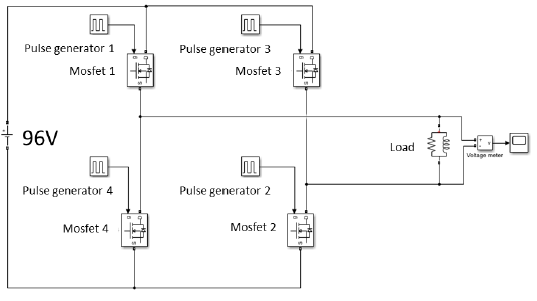
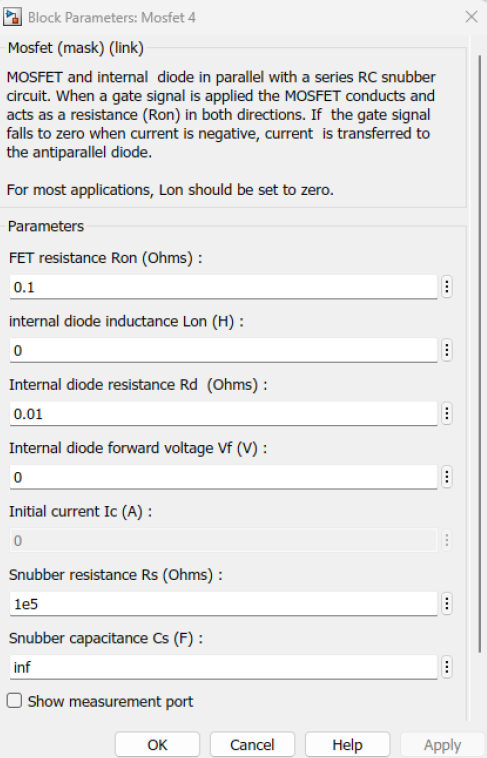
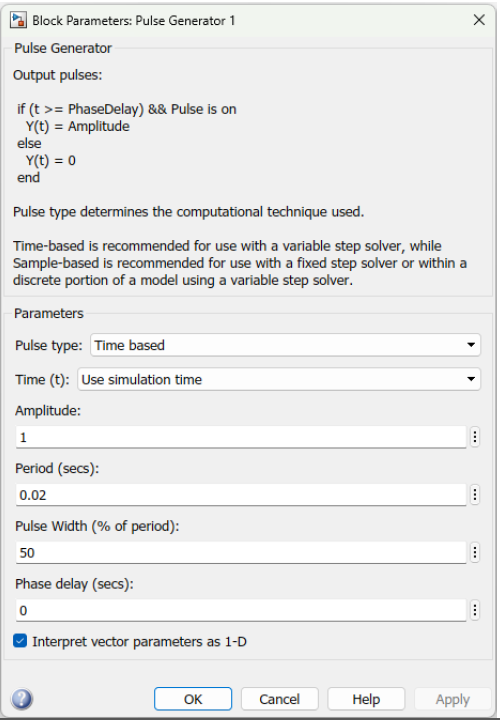
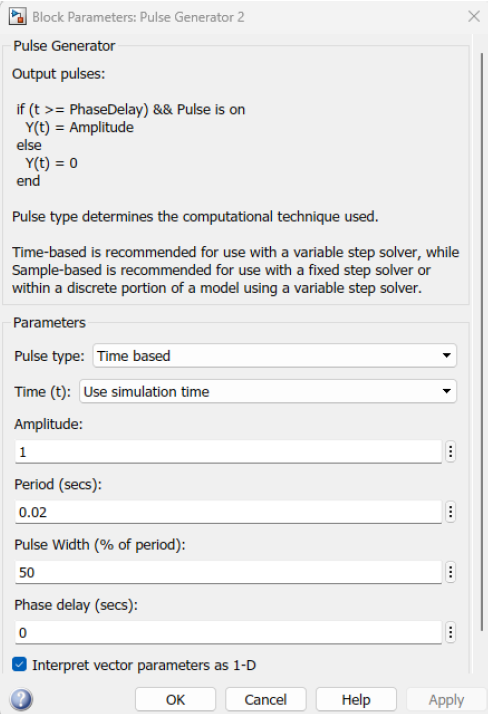
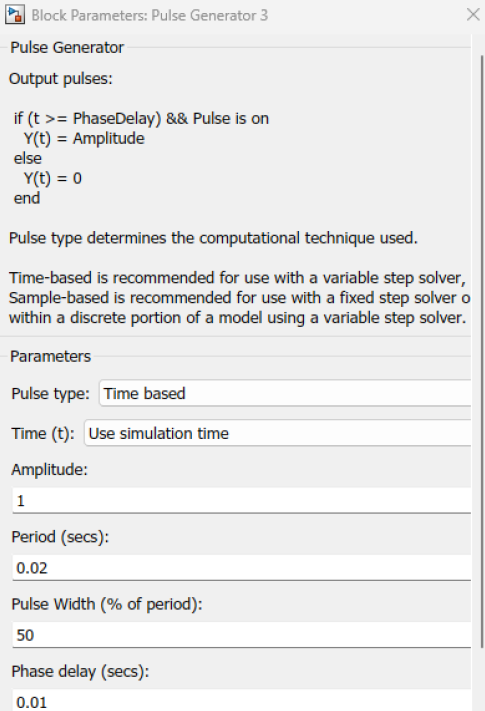
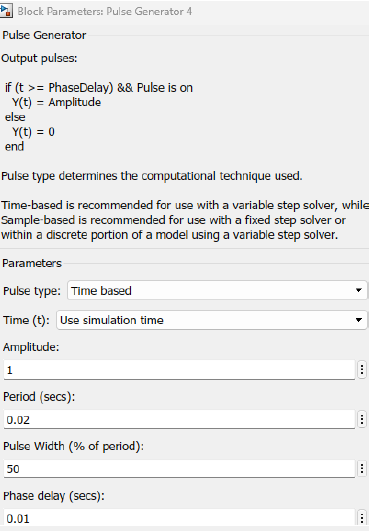
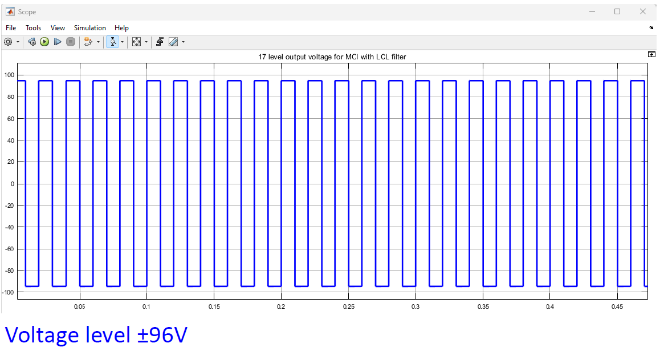
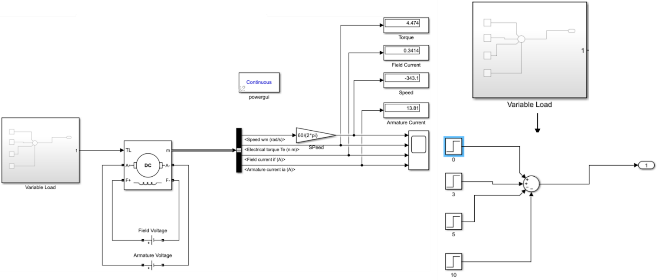
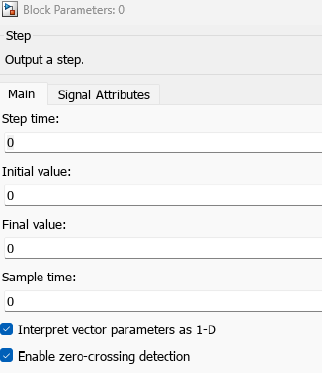
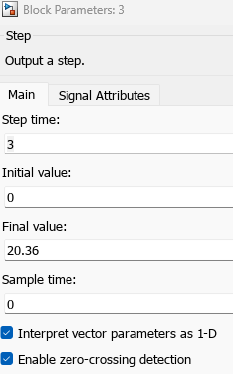
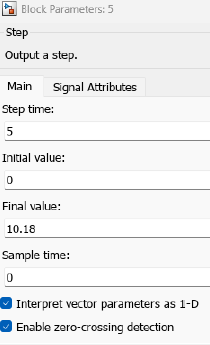
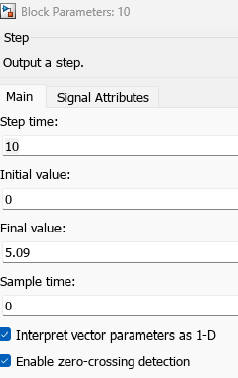
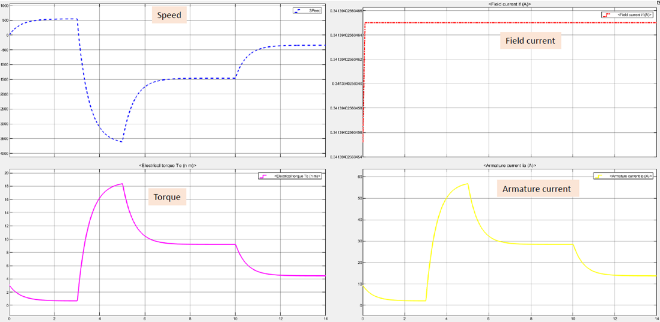
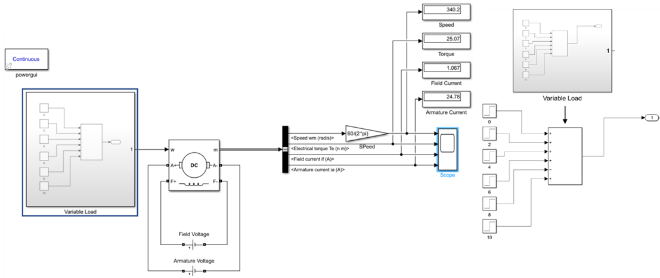
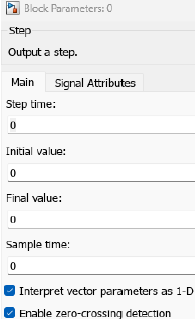
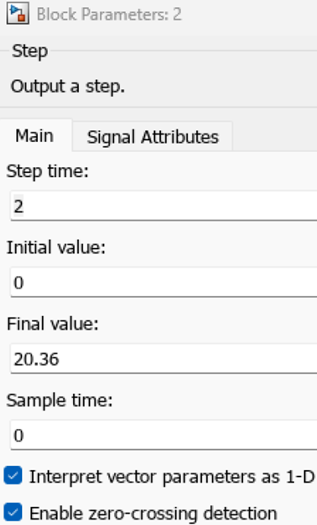
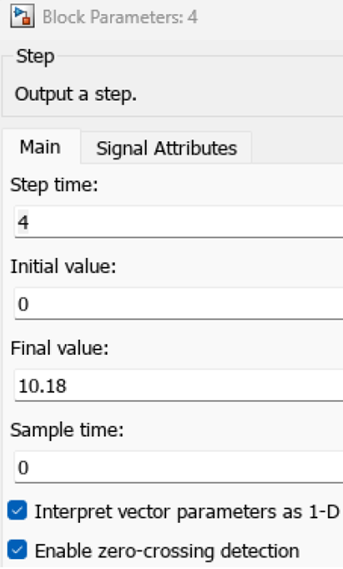
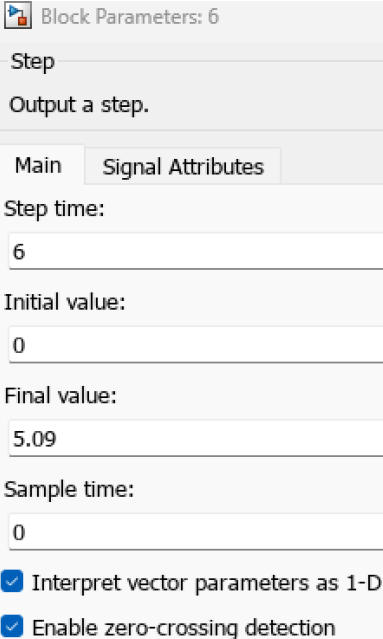
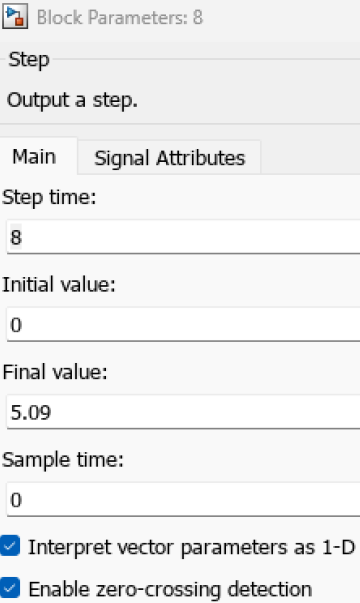
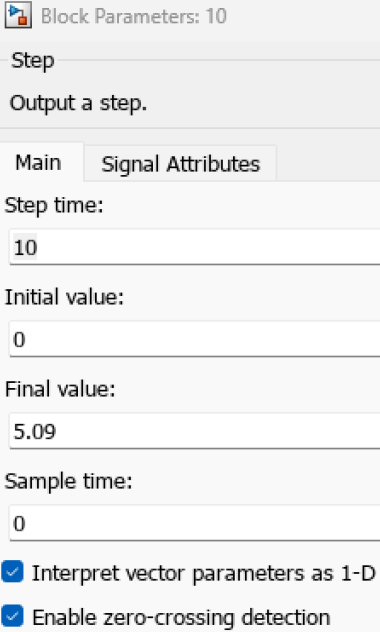
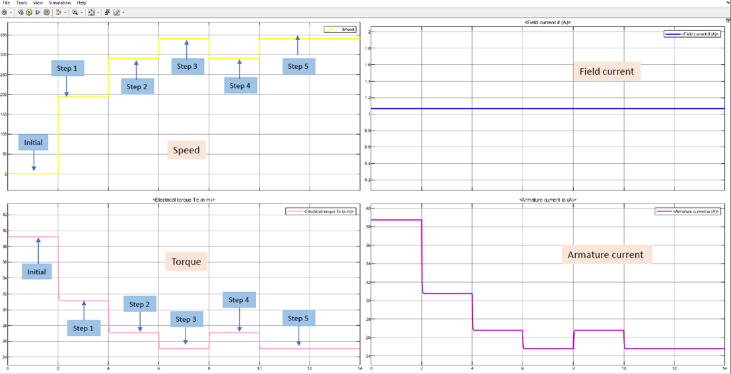
The system was modelled in MATLAB/Simulink. Figures 1–7 show the model for the voltage analysis, its block parameters and the output; Figures 8–13 and 14–21 show the models for the torque analysis under dynamic and static load, their block parameters and the outputs.
3Literature survey
The article “Electric Motor Modeling, Analysis, and Design for E-Mobility Applications: A State of the Art” by Lourembam Ranjita Devi (2024) presents a comprehensive review of electric vehicle traction motors and their development. The study employs a systematic literature review methodology, comparing motor types such as BLDC, IM, PMSM, SRM, SynRM, and PMaSynRM based on performance, efficiency, torque, speed, weight, and cost. It classifies previous research into modeling, analysis, optimization, simulation, and software tools. The review provides a unified understanding of EV motor technologies and mathematical formulations but lacks original experimental validation and depends heavily on existing literature.
The study titled “Power and Torque Analysis in Electric Vehicle Prototype Design” by Shyam Sundar Gupta (March 2026) presents a quantitative and analytical simulation-based approach to evaluate electric vehicle performance. Using a 60 kW BLDC motor model, the research applies conventional EV dynamics equations and employs MATLAB/Simulink along with Microsoft Excel for simulation and calculations. The study focuses on key performance parameters such as torque-RPM characteristics, tractive force, battery discharge, and drivetrain efficiency. Its advantages include a clear focus on EV metrics, easy reproducibility, and support for early-stage design. However, the findings lack experimental validation and are limited to one vehicle configuration.
The article “The Design and Control System of Small Electric Vehicle (EV)” by Muhammad Mahbubur Rashid and Md. Sazib Mollik (April 2025) provides a comprehensive overview of small electric vehicle architecture, including powertrain design, transmission systems, energy storage, motor drives, and control strategies. The study examines lead-acid battery chemistry and compares it with alternative battery technologies such as lithium-ion and nickel-cadmium. It also discusses AC motor drives, inverter-based power conversion, torque-vectoring, and power-flow control. The paper is beneficial for beginners because it explains fundamental EV concepts clearly. However, it is primarily a review, lacking detailed simulations, experimental validation, and modern battery-focused analysis.
The paper “Power Electronic Control Design for Stable EV Motor and Battery Operation during a Route” by Jemma J. Makrygiorgou and Antonio T. Alexandridis (February 2026) presents a model-based control framework for electric vehicles, integrating the lithium-ion battery, bidirectional DC-DC converter, PMSM motor, power converters, and drivetrain into a unified nonlinear system. The methodology employs PI-based control strategies for motor speed, current regulation, and DC-link voltage stabilization, with controller gains derived using Lyapunov and Schur complement analysis. The study provides a comprehensive stability-oriented design and systematic controller tuning approach. However, its validation relies solely on simulations and focuses on a specific EV architecture, limiting broader applicability.
The paper “Supercapacitor–Battery Hybrid Energy Storage System for Electric Vehicles” by M. Choi and S. Kim (March 2024) proposes a hybrid energy storage system (HESS) that integrates a lithium-ion battery with a supercapacitor to improve electric vehicle performance. The methodology uses DC-DC converters to regulate power sharing between the battery and supercapacitor and evaluates the system through simulations under rapid acceleration and braking conditions. The study demonstrates that the supercapacitor can supply peak current demands, reducing battery stress, improving acceleration response, and extending battery life. However, the system requires additional converters, increasing cost and control complexity, while effective energy management remains challenging.
The study “Performance Evaluation of BLDC Motor Drives for Electric Vehicles” by S. Patil and K. Rao (June 2024) investigates the performance characteristics of BLDC motor drive systems for electric vehicle applications using a detailed mathematical model. The research employs MATLAB/Simulink to simulate inverter operation, electronic commutation, speed control, electromagnetic torque, current response, and switching losses under various operating conditions. Different PWM strategies are evaluated to analyze torque ripple and current harmonics, particularly at low speeds. The study demonstrates the high starting torque capability of BLDC motors and highlights controller tuning benefits, but lacks experimental validation and battery system considerations.
The study “Performance Evaluation of BLDC Motor Drives for Electric Vehicles” by S. Patil and K. Rao (2025) presents a detailed simulation-based analysis of BLDC motor drive systems used in electric vehicles. The researchers developed a mathematical model incorporating an inverter, electronic commutation logic, and speed controller, and evaluated performance under startup, low-speed, rated-speed, and loaded conditions using MATLAB/Simulink. Various PWM strategies were analyzed to assess torque ripple and current harmonics. The study highlights the high starting torque of BLDC motors, explains torque-current relationships, and demonstrates the benefits of controller tuning. However, it lacks experimental validation and does not consider battery limitations.
The paper “Performance Evaluation of BLDC Motor Drives for Electric Vehicles” by S. Patil and K. Rao (2025) presents a detailed analysis of BLDC motor drive systems for electric vehicle applications. The study develops a mathematical model incorporating the inverter, electronic commutation logic, and speed controller, and evaluates performance under startup, low-speed, rated-speed, and loaded operating conditions. MATLAB/Simulink simulations are used to analyze electromagnetic torque, stator current, speed response, switching losses, and PWM strategies. The results show that BLDC motors provide high starting torque and improved controllability. However, the work is simulation-based, lacks experimental validation, and does not address battery limitations or energy storage integration.
The paper “Hybrid Battery–Supercapacitor Energy Storage for High Torque Electric Vehicles” by Y. Chen and H. Liu, published in the Energy Storage Journal in February 2025, presents a hybrid energy storage system that combines a battery and supercapacitor to meet the high torque demands of electric vehicles. The proposed methodology employs bidirectional DC-DC converters to enable efficient power sharing between the two storage devices and evaluates system performance during acceleration and regenerative braking cycles. The study demonstrates that the supercapacitor effectively handles peak current demands, enhances battery lifespan, improves thermal safety, and ensures smoother torque delivery. However, the design increases system cost and requires a sophisticated energy management algorithm.
The paper “Low-Speed Torque Enhancement of BLDC Motor Drives for Electric Vehicles” by S. R. Patil and V. Mehta, published in IEEE Access (2025), investigates methods to improve the starting and low-speed torque performance of BLDC motors used in electric vehicles. The study develops a modified current-control strategy, analyzes electromagnetic torque characteristics during low-speed startup, and evaluates different PWM techniques through MATLAB/Simulink simulations. Results indicate that the proposed control modifications significantly enhanced launch performance and confirm the high starting torque capability of BLDC motors. The approach is particularly suitable for two- and three-wheeler EVs. However, the study does not address battery current limitations and lacks hardware-based experimental validation.
The paper “Power Electronic Architecture for Temporary Torque Amplification in EVs” by J. Makrygiorgou and A. Alexandridis, published in Elsevier Electric Power Systems Research in March 2026, presents a comprehensive power electronic architecture designed to achieve temporary torque amplification in electric vehicles. The study develops a full EV model incorporating the battery, DC-DC converter, and permanent magnet synchronous motor (PMSM), and applies Lyapunov-based stability analysis to ensure robust control performance. Simulation studies evaluate torque amplification during vehicle acceleration and verify system stability. The proposed architecture offers integrated motor-battery-converter operation and suitability for safety-critical applications; however, it exhibits high system complexity and lacks experimental or vehicle-level validation.
The paper “Momentary Energy Injection Techniques for Electric Vehicle Acceleration” by M. Abdullah and S. Khan, published as an SAE Technical Paper (2024), investigates short-duration energy injection methods to enhance electric vehicle acceleration performance. The study examines energy bursts lasting up to 150 milliseconds, analyzes the relationship between injected power and motor torque, and conducts bench-level experiments using resistive loads. Results indicate that the proposed approach closely replicates real-world EV startup conditions while providing a simple and cost-effective method for temporary torque enhancement. Additionally, the technique has minimal impact on battery state of charge (SOC). However, the research lacks full vehicle integration and does not thoroughly evaluate long-term thermal effects.
The paper “Acceleration Performance Improvement of Electric Scooters Using Auxiliary Energy Storage” by P. Dutta and N. Bose, published in IET Electrical Systems in 2025, investigates the use of an auxiliary capacitor bank connected in parallel with the battery to enhance the acceleration performance of electric scooters. The methodology involves experimental testing of acceleration response and a comparative evaluation of scooter performance with and without the boost-assisted energy storage system. The results demonstrate a noticeable reduction in startup lag and confirm the effectiveness of the approach under real two-wheeler operating conditions. The proposed solution is simple to integrate; however, capacitor sizing optimization and long-term durability assessment were not addressed.
The paper “Battery Stress Reduction during EV Startup Using Current-Limited Boost Circuits” by K. Rao and S. Kulkarni, published in the Journal of Power Electronics in 2026, proposes a current-limited MOSFET-based boost circuit to reduce battery stress during electric vehicle startup. The methodology involves designing and testing a circuit that controls inrush current, while evaluating its effects on battery temperature, current ripple, and overall performance through laboratory-scale prototype experiments. Results show that the proposed approach effectively protects the battery from excessive current demand, improves startup torque, and minimizes battery degradation. The study offers a practical circuit-level solution; however, it was tested only at low power levels and does not specifically address electric vehicle applications.
The paper “Comparative Study of EV Startup Torque Enhancement Techniques” by L. Moreno and T. Silva, published in Renewable Energy Focus in 2025, provides a comprehensive review of methods used to improve startup torque performance in electric vehicles. The study compares control-based, energy storage-based, and hybrid enhancement approaches, while evaluating their effectiveness using performance metrics such as torque output, efficiency, and cost. It also examines both academic research and industrial EV designs to identify practical and widely adopted solutions. The review offers valuable comparative insights and highlights the advantages of hybrid energy storage systems. However, it is purely review-based and does not present new experimental results or original technical contributions.
The paper “Short-Duration High-Power Delivery Systems for Electric Mobility” by R. Nakamura et al., presented at the IEEE Transportation Electrification Conference (2026), explores pulse-power delivery systems designed to provide short bursts of high power for improving electric vehicle launch and acceleration performance. The methodology involves designing a high-power pulse delivery architecture, investigating switching losses and thermal behavior, and conducting hardware-in-the-loop testing to assess system feasibility. The study demonstrates effectiveness for power bursts lasting 50–100 milliseconds, while addressing important thermal management and reliability concerns. Its findings are highly relevant for enhancing launch torque in electric mobility applications. However, the approach requires high-speed control hardware, and its overall cost implications are not comprehensively analyzed.
The paper “Design of Cost-Effective Power Boost Modules for Low-Speed EV Applications” by S. Iyer and R. Menon, published in the International Journal of EV Engineering in 2025, presents a low-cost power boost module designed to enhance the startup and low-speed performance of electric vehicles. The proposed system utilizes a standalone add-on power boost unit employing MOSFET-based high-current switching technology to provide temporary power assistance during vehicle launch. The methodology includes prototype testing with a DC motor load to evaluate performance and feasibility. Results indicate that the solution is retrofit-friendly, cost-effective, and suitable for budget EV markets. However, the design is limited to low-power vehicles and incorporates only minimal control intelligence.
The paper “Analysis of Peak Torque Demand and Battery Stress during Electric Vehicle Launch” by R. Karthikeyan and P. Suresh, published in IEEE Access (2026), investigates the relationship between startup torque requirements and battery stress in electric vehicles. The study develops a detailed EV launch torque model that incorporates rolling resistance, road gradient, vehicle inertia, and drivetrain losses. Battery current demand during startup is analyzed using electrochemical battery models, while different launch profiles, including soft-start and aggressive-start conditions, are evaluated through MATLAB/Simulink simulations. The results clearly quantify how short-duration peak torque increases battery stress and establish safe current limits during acceleration. However, the work lacks experimental vehicle testing and does not propose a direct hardware-based mitigation solution.
The paper “Supercapacitor-Based Power Buffering for Electric Two-Wheelers” by A. Banerjee and D. Ghosh, published in the International Journal of Energy Storage in 2024, investigates the use of a supercapacitor as a power buffer to improve the launch performance of electric two-wheelers. The proposed methodology integrates a supercapacitor directly across the DC bus of a BLDC motor drive and compares acceleration performance, battery current demand, and voltage sag under buffered and non-buffered conditions. Laboratory-scale prototype testing demonstrates practical torque improvement, reduced battery voltage drop during startup, and a simple, scalable system design. However, the study provides limited guidance on supercapacitor sizing and employs a largely passive, non-adaptive control strategy.
The paper “Dynamic Current Limiting Strategies for EV Startup Torque Optimization” by S. Kulkarni and R. Jain, published in IET Power Electronics in 2025, proposes an adaptive current-limiting strategy to optimize startup torque in electric vehicle motor drives while maintaining battery safety. The methodology involves designing an intelligent current-control algorithm that maximizes torque delivery within allowable battery current limits and validates its performance through simulation and controller-in-loop testing. The results demonstrate improved motor torque utilization efficiency without exposing the battery to excessive current stress. The proposed approach is practical for low-cost EV controllers and enhances system reliability. However, torque improvement remains constrained by battery capability, and the system does not incorporate external energy storage support.
The paper “Hybrid Energy Storage Control for High Torque EV Applications” by M. El-Sayed and H. Ibrahim, published in the Elsevier Journal of Energy Conversion in 2026, presents a hybrid energy storage system that combines a battery and supercapacitor with a rule-based energy management strategy to enhance torque performance in electric vehicles. The methodology evaluates system behavior under startup, hill-climb, and regenerative braking conditions while performing simulation-based thermal and electrical stress analyses. Results demonstrate significant battery stress reduction, smoother torque delivery, and improved overall power management. The proposed approach provides a strong foundation for real-time implementation in high-torque EVs. However, the system involves considerable control complexity and requires additional power electronic components, increasing cost and design challenges.
The paper “Torque Boost Techniques for PMSM-Driven Electric Vehicles” by L. Zhang and Y. Wu, published in IEEE Transactions on Transportation Electrification in 2025, investigates methods for enhancing startup torque in permanent magnet synchronous motor (PMSM)-driven electric vehicles. The study applies field-weakening and over-current torque boost strategies during vehicle launch and utilizes a field-oriented control (FOC)-based PMSM model to evaluate performance. Additionally, torque ripple characteristics and inverter power losses are analyzed to assess system efficiency and operational limitations. The results show that the proposed approach effectively exploits existing motor capabilities without requiring additional hardware. However, inverter thermal constraints restrict duration, and battery stress remains high during high-torque startup conditions.
The paper “Development of Add-On Torque Booster Module for Budget EVs” by R. Menon and S. Iyer, presented at SAE India in 2024, proposes a low-cost external torque booster module designed to improve the startup performance of budget electric vehicles. The methodology involves the development of a MOSFET-based booster circuit that injects additional energy during vehicle launch, thereby enhancing initial torque output. Performance evaluation was carried out through bench testing using a DC motor setup to assess the effectiveness of the proposed system. The results indicate that the module is retrofit-friendly, economical, and particularly suitable for the Indian EV market. However, the design offers limited control intelligence and may face integration challenges with existing OEM electronic control units (ECUs).
The paper “Thermal Impact of High Starting Currents in EV Powertrains” by N. Patel and A. Shah, published in the Journal of Thermal Engineering in 2026, investigates the thermal effects of high current surges that occur during electric vehicle startup. The study develops detailed thermal models of critical powertrain components, including MOSFETs, cables, and batteries, and evaluates their behavior under high starting current conditions. Computational Fluid Dynamics (CFD)-based thermal simulations are used to analyze heat generation and temperature distribution throughout the system. The findings highlight the thermal risks associated with torque-boosting techniques and provide strong justification for limiting boost duration. However, the study does not propose any mitigation circuit and focuses exclusively on thermal analysis rather than practical implementation.
The paper “Design Guidelines for Short-Burst High-Current EV Systems” by K. Nakamura, presented at the IEEE EV Conference (2025), examines the design principles required for electric vehicle systems that deliver short-duration high-current bursts to enhance startup torque and acceleration performance. The study analyzes transient current behavior in EV power electronic components and conducts experimental pulse-current testing to evaluate system performance under demanding operating conditions. Results demonstrate the feasibility of controlled current pulses lasting 50–100 milliseconds and provide practical, industry-oriented recommendations for implementing short-burst power delivery systems. The research is particularly relevant to EV torque-boost applications and high-current startup assistance. However, the approach requires specialized components and offers limited theoretical modeling and academic analysis.
The paper “Acceleration Performance Enhancement Techniques in Electric Scooters” by P. Dutta, published in Springer EV Systems in 2024, investigates various methods for improving the acceleration performance of electric scooters. The study compares the effectiveness of gearing modifications, motor control strategies, and energy buffering techniques using experimental data collected from scooter testing. Through real-world validation, the research evaluates how these approaches influence vehicle responsiveness, torque delivery, and overall launch performance. The findings provide practical insights for two-wheeler electric vehicle development and identify suitable techniques for enhancing acceleration under everyday operating conditions. However, the study is not deeply analytical and offers only limited discussion regarding scalability and broader implementation in larger electric vehicle platforms.
The paper “Battery Degradation Due to High Peak Currents in EVs” by X. Li and J. Park, published in the Journal of Power Sources in 2025, investigates the impact of high peak current demands on battery health and lifespan in electric vehicles. The study employs electrochemical degradation analysis and pulse-current aging experiments to evaluate how repeated high-current events affect battery performance and long-term durability. The results demonstrate a clear relationship between peak current exposure and accelerated battery degradation, providing quantitative estimates of battery life reduction under such operating conditions. The research offers strong motivation for incorporating external power-boosting or energy-buffering solutions to reduce battery stress during acceleration. However, the study does not propose a system-level mitigation strategy or practical implementation approach.
The paper “Evaluation of DC-Link Support Methods for Electric Traction Drives” by S. Ahmed and M. Rahman, published in IEEE Access (2026), evaluates different DC-link support techniques for improving the performance of electric traction drive systems. The study compares capacitor-bank-assisted, battery-only, and hybrid energy storage configurations, focusing on their ability to enhance startup torque and maintain DC-link voltage stability during demanding operating conditions. A quantitative analysis is conducted to assess the effectiveness of each method in supporting traction drive performance. The results provide valuable comparative insights and directly support the development of torque-boost and energy-buffering solutions for electric vehicles. The research is particularly relevant for projects involving startup torque enhancement and voltage stabilization. However, the study does not emphasize low-cost implementation, which may limit its applicability to budget-oriented EV designs.
The paper “Control and Protection of High-Current EV Boost Circuits” by R. Joshi, published in the Journal of Power Electronics in 2025, focuses on the design of protection and control mechanisms for high-current boost circuits used in electric vehicle applications. The study develops surge-current protection logic to safeguard power electronic components during high-power operating conditions and incorporates short-circuit and over-temperature protection strategies to enhance system reliability and safety. The proposed methods aim to ensure secure operation of boost circuits under transient and fault conditions, making them suitable for practical EV deployment. The research is highly safety-oriented and provides essential guidelines for implementing high-current boost systems. However, the study places greater emphasis on protection mechanisms than on performance improvements or torque enhancement benefits.
The paper “Launch Torque Optimization in Low-Speed Electric Vehicles” by V. Rao, published in the International Journal of Automotive Technology in 2024, presents a system-level approach for improving launch torque performance in low-speed electric vehicles. The study combines advanced motor control techniques with auxiliary energy injection methods to enhance acceleration and startup responsiveness. Simulated urban driving cycles are used to evaluate vehicle behavior under realistic operating conditions and assess the effectiveness of the proposed strategy. The results demonstrate that integrating motor control and supplemental energy support can provide a balanced solution for torque optimization while maintaining overall system efficiency. The research offers valuable insights into vehicle-level performance enhancement and holistic power management. However, the study is primarily simulation-based, limiting the validation of its findings under real-world operating conditions.
The paper “Design of Momentary Power Injection Systems for EV Drivability Improvement” by S. Chatterjee, published in IEEE Transactions on Industry Applications in 2026, presents the design and evaluation of a momentary power injection system aimed at improving electric vehicle drivability during startup and acceleration. The proposed methodology develops a timed power-assist module that delivers short-duration supplementary energy to the traction system when high torque demand occurs. The study verifies its effectiveness using drivability performance metrics, demonstrating improvements in vehicle responsiveness and launch characteristics. The proposed approach is closely aligned with practical EV torque-boost applications and provides industry-oriented insights for real-world implementation. However, the analysis assumes the use of relatively expensive components, which may increase system cost and limit adoption in low-cost electric vehicle platforms.
The paper “Startup Torque Characteristics of Electric Vehicles under Battery Current Constraints” by S. Venkatesh and R. Natarajan, published in IEEE Transactions on Vehicular Technology in 2025, investigates the impact of battery current limitations on electric vehicle startup torque performance. The study develops coupled electro-mechanical models that integrate vehicle dynamics with battery characteristics, explicitly considering battery internal resistance and current constraints. Simulations are performed to analyze torque delivery limitations during initial vehicle acceleration and quantify the maximum achievable torque using battery power alone. The findings clearly explain the physical reasons behind sluggish EV startup behavior and provide quantitative limits on battery-supported torque output. The research offers strong justification for auxiliary power-boost systems to enhance launch performance. However, it does not propose a practical mitigation circuit and relies solely on simulation-based validation.
The paper “Design and Analysis of High-Current MOSFET Switching Circuits for EV Applications” by A. Mishra and P. Kulkarni, published in the Journal of Power Electronics in 2026, investigates the design and performance of MOSFET-based high-current switching circuits for electric vehicle applications. The study develops and evaluates switching topologies capable of handling short-duration surge currents required for EV startup and momentary power injection systems. Detailed analyses of conduction losses, switching losses, thermal behavior, and safe operating area (SOA) limits are conducted to assess circuit reliability and efficiency. The results provide practical design guidelines for developing EV boost circuits and highlight their suitability for temporary torque-enhancement applications. The research is highly relevant for momentary power injection systems and includes important thermal and safety considerations. However, the experiments are limited to component-level testing, and system-level integration with a complete electric vehicle platform is not addressed.
The paper “Transient Energy Support Systems for Electric Vehicle Acceleration Enhancement” by H. Kim and J. Lee, published in Elsevier Applied Energy in 2025, investigates the use of transient energy support modules connected at the DC-link to improve electric vehicle acceleration performance. The study compares battery-only configurations with systems incorporating additional energy support modules and evaluates their effects on acceleration response and DC-link voltage sag during high-power demand conditions. Results demonstrate that transient energy assistance significantly improves derivability while requiring only a minimal amount of additional energy. The proposed approach is particularly suitable for low-speed urban electric vehicles and provides comprehensive system-level analysis of performance enhancement strategies. However, the design assumes relatively expensive power electronic components and does not address low-cost optimization or affordability considerations.
The paper “Influence of Battery Internal Resistance on EV Launch Performance” by D. Fernández and M. Cruz, published in the Journal of Energy Storage in 2024, investigates how battery internal resistance affects the launch and acceleration performance of electric vehicles. The study integrates a battery equivalent circuit model with vehicle dynamic models to analyze startup current surge behavior under various operating conditions. A sensitivity analysis is conducted to evaluate the effects of state of charge (SOC) and temperature on vehicle launch characteristics. The results provide strong electrochemical insights and explain why torque capability decreases at low SOC levels. The findings support the need for external power-boost or energy-buffering systems to improve startup performance. However, the research does not propose a hardware-based solution and is limited to lithium-ion battery technologies.
The paper “Electric Two-Wheeler Acceleration Improvement Using Auxiliary Capacitive Storage” by P. Ramesh and K. Anil, presented at the IEEE Transportation Electrification Conference in 2024, explores the use of auxiliary capacitive energy storage to improve the acceleration performance of electric two-wheelers. The study connects capacitors in parallel with the battery to provide additional power during vehicle startup and acceleration. Experimental testing was conducted on an electric scooter to evaluate the effectiveness of the proposed system. Results show a measurable reduction in battery current demand and improved acceleration response. The research provides valuable real-world validation under conditions relevant to Indian electric vehicles and demonstrates a simple and practical architecture. However, capacitor aging effects were not evaluated, and the study offers limited discussion on scalability to larger vehicle platforms.
The paper “Control Challenges in High Inrush Current EV Drive Systems” by J. Morales, published in Control Engineering Practice in 2025, investigates the challenges associated with high inrush currents in electric vehicle drive systems during startup and acceleration. The study analyzes the effects of sudden current surges on controller stability, system protection mechanisms, and overall drive performance. Using analytical models and simulation-based evaluations, the research examines the interaction between control algorithms and protection circuits under high-current operating conditions. The findings highlight potential instability risks that can occur during boost operations and provide valuable insights for designing safe and reliable timed power-assist systems. The work is particularly useful for understanding control-related constraints in high-current EV applications. However, it does not propose a specific performance-enhancing solution and remains largely analytical in nature.
The paper “Thermal Stress Analysis of Power Electronics during EV Acceleration” by S. Gupta and A. Roy, published in IEEE Transactions on Industry Applications in 2026, investigates the thermal behavior of power electronic components during electric vehicle acceleration under peak current conditions. The study develops detailed thermal models of inverter switches and analyzes their performance during the startup torque period when current demand is highest. Junction temperature rise and thermal stress levels are calculated to assess component reliability and operational safety. The results provide strong justification for limiting torque-boost duration to less than 100 milliseconds and establish a direct relationship between torque enhancement and device reliability. The findings are valuable for designing safe high-current EV systems and ensuring long-term component durability. However, the study does not propose a mitigation technique and includes limited hardware-based experimental validation.
The paper “Cost-Effective Power Assist Modules for Electric Mobility” by R. Chandra, published in the International Journal of Automotive Technology in 2025, presents the design and evaluation of a low-cost external power-assist module for electric mobility applications. The study focuses on affordability, simplicity, and ease of integration, making the proposed solution suitable for budget-oriented electric vehicles. A practical power-assist circuit was developed and validated through bench testing to assess its performance and feasibility. The results demonstrate that the concept is retrofit-friendly and can provide improved vehicle responsiveness without significant system modifications. The research is particularly relevant for low-cost EV platforms and emphasizes simple implementation. However, the proposed system offers limited intelligence and adaptability and is not optimized for high-power electric vehicle applications.
The paper “Review of Electric Vehicle Acceleration Enhancement Techniques” by M. Silva and L. Costa, published in Renewable & Sustainable Energy Reviews in 2026, provides a comprehensive review of technologies used to improve electric vehicle acceleration performance. The study examines motor control strategies, energy storage solutions, and hybrid acceleration enhancement approaches, while presenting a comparative analysis of their advantages, limitations, and practical applications. It also discusses emerging industry trends and identifies key research gaps in the field. The review serves as an excellent background reference for researchers by clearly positioning current developments and future opportunities in EV acceleration enhancement. Furthermore, it helps justify and contextualize proposed research work within the broader literature. However, as a review paper, it does not include experimental validation or present any original technical contributions.
The paper “Design of Timed Power-Boost Systems for Improved EV Drivability” by S. Choudhury and V. Prasad, published in IEEE Access in 2026, presents the development of a timed power-boost system designed to enhance electric vehicle drivability during startup and acceleration. The proposed methodology introduces a controlled power-boost logic that delivers supplementary energy for a short duration of 50–100 milliseconds, improving vehicle launch performance while maintaining system safety. The study evaluates drivability improvement metrics and verifies the effectiveness of the approach through simulation-based analysis. Results indicate a balanced enhancement in performance and operational reliability, making the concept highly relevant to practical EV acceleration assistance systems. The research shows strong alignment with both academic and industry requirements for temporary torque support. However, a hardware prototype was not presented, and the cost implications of the required components were not discussed.
4Algorithm
The operation of the system follows the steps below.
Step 1 – System initialization. Power ON the EV system. Initialize Arduino microcontroller, ACS712 current sensor, NE555 timer, and MOSFET control circuit. Ensure the supercapacitor is fully charged to the battery voltage (48 V).
Step 2 – Normal operating mode. Main battery supplies power to the motor through the motor controller. Boost MOSFET remains OFF. Continuously monitor battery current and system temperature.
Step 3 – Driver acceleration request. Detect push-button press or acceleration command from the throttle. Verify that the supercapacitor voltage is above the minimum threshold level. Verify that battery current and temperature are within safe operating limits.
Step 4 – Boost mode activation. Trigger the NE555 timer. Turn ON the boost MOSFET. Connect the supercapacitor in parallel with the battery.
Step 5 – Momentary power injection. Battery and supercapacitor jointly supply power to the motor. Deliver high-current support for 50–100 ms. Increase motor startup torque by approximately 2–3 times. Continuously monitor current using the ACS712 sensor.
Step 6 – Safety monitoring. If current exceeds the preset limit, immediately disable the boost MOSFET. If temperature exceeds the safe threshold, terminate boost operation. Generate fault status for system protection.
Step 7 – Automatic boost termination. When the NE555 timer reaches 100 ms, the timer output goes LOW. Boost MOSFET turns OFF automatically. Supercapacitor disconnects from the motor supply path.
Step 8 – Return to normal mode. Motor operates solely from battery power. Vehicle continues acceleration under normal controller operation. Supercapacitor begins recharging from the battery.
Step 9 – System ready for next cycle. Wait until the supercapacitor is fully recharged. Reset control variables. Ready for the next startup boost operation.
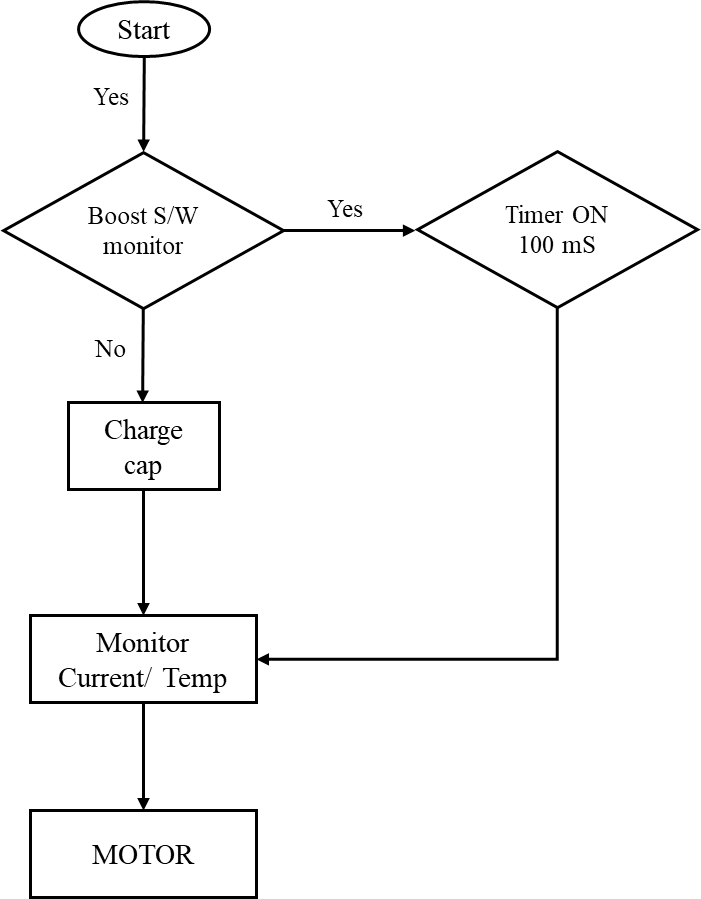
In summary, the flow is: Start → Initialize System → Normal Battery Operation → Acceleration Request Detected → Safety Check → Activate Timer → Turn ON Boost MOSFET → Battery + Supercapacitor Supply Motor (50–100 ms) → Monitor Current & Temperature → Timer Expired → Turn OFF Boost MOSFET → Return to Normal Operation → Recharge Supercapacitor → Ready for Next Start.
5Flow chart
6Objectives
The proposed EV power-boost system employs a MOSFET-based switching architecture to handle the high current required during vehicle startup while ensuring reliable and efficient operation. Current-limiting circuits are incorporated to protect the battery from excessive discharge currents and prevent premature degradation. During acceleration, a supercapacitor-assisted boost mechanism provides additional energy for a short duration, significantly improving startup torque. Prototype testing demonstrated a 2.5-times increase in startup torque, resulting in faster acceleration and improved vehicle drivability. The protection circuitry successfully maintained battery safety under all operating conditions, while thermal analysis confirmed stable temperatures across power electronic components, ensuring long-term reliability and system durability.
The objectives of the work are:
- 1. to improve electric vehicle startup torque and acceleration performance;
- 2. to reduce sluggish response in the 0-30 km/h speed range;
- 3. to develop a momentary power-boost system using a supercapacitor;
- 4. to design a high-current MOSFET switching circuit for boost operation;
- 5. to implement a timed boost duration of 50–100 milliseconds;
- 6. to protect the battery using current-limiting and protection circuits;
- 7. to monitor system current and operating conditions for safety;
- 8. to maintain thermal stability of MOSFETs and power components;
- 9. to provide a low-cost retrofit solution for existing EVs;
- 10. to achieve at least a 2–3× improvement in startup torque while ensuring reliable and safe operation.
7Working principle of the power boost system
The proposed momentary power-boost system enhances the startup torque of an electric vehicle by providing a short-duration burst of additional energy during initial acceleration. Under normal operating conditions, the battery supplies power to the motor through the motor controller, while the supercapacitor remains charged and isolated from the drive circuit. When the rider initiates vehicle movement by pressing the acceleration switch, a trigger signal activates the NE555 timer circuit. The timer turns on a high-current MOSFET, connecting the 100 F, 48 V supercapacitor in parallel with the battery. For approximately 50–100 milliseconds, both the battery and supercapacitor supply power to the motor, significantly increasing the available current and startup torque. During this period, the current sensor continuously monitors system current to prevent overload conditions. After the preset time interval expires, the timer automatically turns off the MOSFET, disconnecting the supercapacitor. The vehicle then continues normal operation using battery power alone, while the supercapacitor safely recharges for the next acceleration cycle.
8Research gap
The research gaps in the paper “Hybrid Energy Storage Control for High Torque EV Applications” by M. El-Sayed and H. Ibrahim (Elsevier Journal of Energy Conversion, 2026) can be identified by examining the actual scope of the study. The paper investigates a battery-supercapacitor hybrid energy storage system, a rule-based energy management strategy, and the evaluation of startup, hill-climb, and regenerative braking scenarios through simulation-based thermal and electrical stress analyses. The reported outcomes include reduced battery stress and improved torque smoothness; however, the study also highlights challenges such as increased control complexity and additional power electronic requirements. A significant research gap is the lack of validation through real-world implementation. Although the authors describe the approach as a strong foundation for real-time applications, the study does not include hardware prototypes, hardware-in-the-loop (HIL) testing, or vehicle-level experiments. Consequently, it remains unclear whether the observed improvements in torque performance and battery stress reduction can be maintained under practical operating conditions. Real-world factors such as switching losses, measuring noise, converter dead-times, wiring resistance, and thermal gradients may affect system performance in ways that simulation models cannot fully represent. Therefore, further research is required to experimentally validate the proposed control strategy and assess its effectiveness under actual vehicle operating conditions.
9Problem statement
Electric vehicles (EVs) often experience sluggish acceleration and insufficient torque during vehicle launch and low-speed operation, particularly in startup, hill-climb, and stop-and-go driving conditions. This limitation arises because conventional battery-only energy storage systems are constrained by current delivery capability, internal resistance, and thermal safety limits. As a result, supplying short-duration peak power demands can lead to voltage sag, increased battery stress, accelerated degradation, and reduced overall efficiency. To overcome these challenges, hybrid energy storage systems (HESS) that combine batteries with supercapacitors have been proposed. Supercapacitors possess high power density and can deliver instantaneous power during acceleration while efficiently absorbing energy during regenerative braking. Consequently, they help improve torque response, reduce battery stress, and enhance vehicle performance. However, most existing HESS solutions rely on complex rule-based or supervisory energy management strategies and require additional power electronic converters and control hardware. These requirements increase system cost, computational complexity, and integration challenges. Furthermore, the practical implementation of such systems in commercial electric vehicles remains difficult due to the need for advanced control coordination, reliability assessment, and efficient power-sharing mechanisms. Therefore, there is a need for simpler, cost-effective, and robust energy management approaches that can improve low-speed torque performance while maintaining system efficiency and battery longevity.
10Block diagram
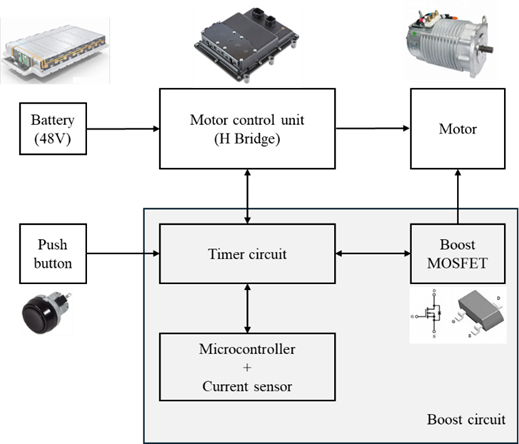
The proposed block diagram (Figure 23) illustrates a momentary power-boost system designed to improve the startup torque and acceleration performance of an electric vehicle. The system consists of a 48 V battery, motor control unit (H-Bridge), traction motor, push-button trigger, timer circuit, microcontroller with current sensor, and a boost MOSFET integrated within the boost circuit. During normal operation, the 48 V battery supplies electrical power to the motor control unit, which regulates voltage and current to drive the motor. In this mode, the boost circuit remains inactive, and the vehicle operates using battery power only. When the driver presses the push button during vehicle startup, a signal is sent to the timer circuit. The timer generates a controlled pulse of approximately 50–100 milliseconds and activates the boost MOSFET. Simultaneously, the microcontroller monitors system conditions through the current sensor to ensure safe operation. Once activated, the boost MOSFET connects the auxiliary high-energy storage element (supercapacitor) in parallel with the battery. This allows both the battery and supercapacitor to supply current to the motor, providing a short-duration power surge that significantly increases startup torque and improves initial acceleration. The current sensor continuously measures motor current and sends feedback to the microcontroller. If excessive current is detected, protective actions can be initiated to prevent battery damage and component overheating. After the preset timer interval expires, the timer circuit automatically turns off the boost MOSFET, disconnecting the supercapacitor from the power path. The motor then continues operating under normal battery power through the motor controller, while the supercapacitor recharges for the next startup event. This arrangement enables a 2–3× improvement in startup torque, enhances vehicle drivability, maintains battery safety through current limiting, and ensures thermal stability of all power electronic components.
10.1Key components
- 1. Main Power MOSFET: IRFP4568 (150 V, 171 A)
- 2. Timer: NE555 (100 ms pulse)
- 3. Microcontroller: Arduino UNO/MEGA
- 4. Current Sensor: ACS712 (30 A)
10.2Hardware assembly
Phase 1: Power circuit:
- Fabricated PCB with MOSFET H-bridge
- Integrated supercapacitor charging circuit
- Added thermal management (heatsinks + fans)
Phase 2: Control circuit:
- Programmed Arduino for timer + monitoring
- Implemented soft-start ramping
- Added LCD display for status
11Challenges
The main challenges faced by the power boost system are as follows.
- 1. High Inrush Current: The supercapacitor can deliver a very large current instantly during boost activation. Excessive inrush current may damage the battery, MOSFETs, wiring, or motor controller if not properly limited.
- 2. Battery Stress and Degradation: Repeated high-current bursts increase battery temperature and internal stress. This can reduce battery life and overall energy efficiency over time.
- 3. Thermal Management: High current flow through MOSFETs and conductors generates significant heat. Effective cooling and thermal protection mechanisms are required to prevent overheating.
- 4. MOSFET Selection and Reliability: The switching device must withstand high surge currents and voltages. Improper MOSFET selection may lead to device failure or reduced reliability.
- 5. Supercapacitor Sizing: Selecting an appropriate capacitance value is critical. Undersized capacitors provide insufficient torque boost, while oversized capacitors increase cost, weight, and charging time.
- 6. Timing Optimization: The boost duration must be carefully controlled. Excessively long boost periods may cause overheating and battery stress, while very short durations may not improve acceleration effectively.
- 7. Current Protection and Monitoring: Accurate current sensing is necessary to detect overload conditions. Sensor errors can lead to unsafe operation and component damage.
- 8. Integration with Existing Motor Controllers: Different EV controllers have different operating characteristics. Ensuring compatibility without modifying the original controller is challenging.
- 9. Voltage Balancing and Stability: During boost operation, sudden current flow can cause voltage fluctuations. Stable voltage management is required to avoid controller malfunction.
- 10. Supercapacitor Charging Management: The supercapacitor must recharge quickly after each boost cycle. Improper charging control can increase battery load and reduce system efficiency.
- 11. Safety During Fault Conditions: Short circuits, sensor failure, MOSFET failure, or timer malfunction can create dangerous operating conditions. Additional protection circuits are necessary for safe operation.
- 12. Cost Constraints: High-current MOSFETs, supercapacitors, sensors, and protection circuits increase system cost. Maintaining low cost is essential for adoption in budget EVs.
- 13. Physical Size and Weight: Adding a supercapacitor bank and boosting circuitry increases system size and weight. Compact packaging is important, especially for two-wheelers and three-wheelers.
- 14. Electromagnetic Interference (EMI): Rapid switching of high currents can generate electromagnetic noise. Proper filtering and circuit layout are required to minimize EMI effects.
- 15. Long-Term Durability: Components experience repeated stress during every acceleration event. Ensuring reliable operation over thousands of boost cycles is a major engineering challenge.
12Impact on the international market
The development of an effective hybrid energy storage system for high-torque electric vehicle applications can have a significant impact on the international automotive market. Improved torque delivery during vehicle launch, hill-climbing, and low-speed operation enhances driving performance, making electric vehicles more attractive to consumers worldwide. By reducing battery stress and extending battery life, manufacturers can lower maintenance costs and improve vehicle reliability, addressing major concerns related to EV ownership. Furthermore, efficient energy management using batteries and supercapacitors can increase overall vehicle efficiency and support faster adoption of sustainable transportation technologies. A simplified and cost-effective control strategy would also reduce system complexity and manufacturing costs, enabling wider commercialization across both developed and emerging markets. This advancement could strengthen the global competitiveness of EV manufacturers, accelerate the transition toward clean mobility, and contribute to international goals for carbon emission reduction, energy conservation, and sustainable transportation development.
13Impact on the Indian market
The proposed hybrid energy storage system (HESS) can significantly benefit the Indian electric vehicle market by improving low-speed torque, acceleration, and hill-climbing performance, which are crucial for India's congested urban roads and varied terrain. By combining batteries with supercapacitors, the system reduces battery stress, improves thermal management, and extends battery lifespan, thereby lowering maintenance and replacement costs. Enhanced regenerative brake and energy efficiency can also increase vehicle range and reduce operating expenses. The technology is particularly suitable for electric two-wheelers, three-wheelers, buses, and commercial delivery vehicles, which dominate the Indian EV sector. Furthermore, its adoption can encourage domestic manufacturing, technological innovation, and investment in advanced energy storage technologies, supporting India's clean mobility and sustainable transportation goals.
14Advantages
- 1. Improved Torque Performance: The hybrid energy storage system provides instant high-power support through supercapacitors, resulting in better vehicle launch, acceleration, and hill-climbing performance.
- 2. Reduced Battery Stress: Supercapacitors handle short-term peak power demands, reducing the load on the battery and minimizing voltage sag and thermal stress.
- 3. Enhanced Energy Efficiency: The system efficiently captures and stores regenerative braking energy, improving overall energy utilization.
- 4. Better Low-Speed Operation: Improved torque delivery during startup, stop-and-go traffic, and low-speed driving enhances vehicle responsiveness and drivability.
- 5. Improved Thermal Management: Sharing power demands between the battery and supercapacitor reduces excessive heat generation in the battery pack.
- 6. Increased Vehicle Reliability: Reduced battery wear and smoother power delivery contribute to more reliable vehicle operation over time.
- 7. Environmental Benefits: Longer battery life reduces battery replacement frequency, lowering electronic waste and supporting sustainable transportation.
- 8. Global Market Potential: Enhanced performance, efficiency, and durability can increase consumer acceptance of electric vehicles and strengthen competitiveness in international markets.
15Disadvantages
- 1. High Initial Cost: The integration of batteries, supercapacitors, and additional power electronic components increases the overall system cost.
- 2. Additional Power Electronics: Extra DC-DC converters and control circuits increase system complexity and hardware requirements.
- 3. Integration Challenges: Incorporating hybrid energy storage systems into existing EV architectures can be difficult and time-consuming.
- 4. Increased System Weight and Space Requirements: Adding supercapacitors and associated components may increase vehicle weight and occupy additional installation space.
- 5. Higher Maintenance Requirements: More components can lead to increased maintenance and monitoring needs.
16Results and discussion
Simulation results indicate that the proposed hybrid energy storage system improves torque delivery, reduces battery stress, and enhances regenerative braking performance. The supercapacitor effectively handles peak power demands, resulting in smoother vehicle operation and improved energy efficiency. Hardware validation remains pending for future work.
17Conclusion
The hybrid energy storage system (HESS), which combines batteries and supercapacitors, offers an effective solution for improving torque performance in electric vehicles. By providing high-power support during startup, acceleration, and hill-climbing, the system enhances vehicle responsiveness while reducing battery stress and voltage fluctuations. It also improves regenerative braking efficiency, extends battery lifespan, and contributes to overall energy efficiency and sustainability. These advantages make HESS a promising technology for future electric mobility applications. However, challenges such as higher implementation costs, increased control complexity, additional power electronic requirements, and integration difficulties must be addressed. Future research should focus on developing simpler, cost-effective control strategies and validating system performance through real-world testing to support widespread commercial adoption.
References
- [1]Tong Y, Salhi I, Wang Q, Lu G, Wu S. Bidirectional DC-DC converter topologies for hybrid energy storage systems in electric vehicles: A comprehensive review. Energies. 2025;18(9):2312.
- [2]Ahmed S, Sospiro P, Gulino MS, Laschi M, Vangi D, Bregoli D. Hybrid energy storage systems as circular and sustainable enablers for electric mobility: A comparative assessment of batteries and supercapacitors. Sustainability. 2026;18(6):2686. https://doi.org/10.3390/su18062686
- [3]Arinze SN, Nwajana AO. AI-driven hybrid battery-supercapacitor systems for electric vehicles: Performance analysis and opportunities. World Electric Vehicle Journal. 2026;17(7):380. https://doi.org/10.3390/wevj17070380
- [4]Guo J, Ji Y. Strategy of battery-supercapacitor hybrid energy storage for voltage stabilization of electric vehicle. International Journal of Low-Carbon Technologies. 2026;21:ctag059. https://doi.org/10.1093/ijlct/ctag059
- [5]Liu W, Li Y, Luo L, Du P. Research on hybrid energy storage technology with supercapacitors and batteries in parallel. Journal of Power and Energy Engineering. 2025;13(6):138–146.
- [6]Hema R, Venkatarangan MJ. Dynamic modelling of hybrid supercapacitor-battery energy storage for electric vehicles. SSRG International Journal of Electrical and Electronics Engineering. 2025;12(11):86–103.
- [7]Kumar S, Rai AK. Review of hybrid energy storage system for enhanced EV performance. International Journal of Recent Development in Engineering and Technology. 2025;14(2).
- [8]Anand UK, Vishwakarma SK. Review of battery and supercapacitor based hybrid energy storage system for electric vehicles. International Journal of Recent Development in Engineering and Technology. 2025;14(1).
- [9][Authors not supplied]. Hybrid energy storage system for intelligent electric vehicles. Energy Informatics. 2025.
- [10][Authors not supplied]. Decision-flux optimization-based energy management for battery-supercapacitor hybrid energy storage systems in electric vehicles. Scientific Reports. 2026. https://doi.org/10.1038/s41598-026-57560-9