Fire Safety Preparedness in Public Markets
Assessment of Fire Safety Preparedness in Selected Public Markets in Port Harcourt
Centre for Occupational Health, Safety and Environment, Institute of Petroleum Studies, Faculty of Engineering, University of Port Harcourt, Port Harcourt, Rivers State, Nigeria
Published October 2026
Abstract
Fire incidents in public markets present significant risks to life, property, and economic activities. Ensuring adequate fire safety preparedness requires understanding stakeholders’ awareness, the functionality of infrastructure, and the capacity of emergency services to respond effectively. This study assessed fire safety preparedness in selected public markets in Port Harcourt, Rivers State, focusing on awareness, infrastructure adequacy, emergency response capacity, challenges, and strategies for improvement. A descriptive survey research design was employed. A multi-stage sampling technique was used to select 500 participants actively engaged in the daily operations of three major markets: Mile One, Oil Mill, and Rumuokoro. A total of 500 copies of questionnaire were distributed, with 483 returned and valid for analysis, yielding a response rate of 96.6%. Data were analyzed using the Statistical Package for the Social Sciences (SPSS) version 27.0, employing descriptive statistics such as frequency, percentage, mean scores, and grand mean to evaluate respondents’ awareness, infrastructure adequacy, emergency response, challenges, and recommended strategies. Findings revealed that 59% of respondents demonstrated good awareness and preparedness regarding fire safety procedures (grand mean = 3.5), though participation in drills and formal training was low. Fire safety infrastructure and equipment were largely inadequate, with a grand mean of 2.8, and emergency response capacity was rated low (grand mean = 2.8). Key challenges included poor market layouts, blocked access routes, unauthorized electrical connections, inadequate regulatory enforcement, and low compliance with safety measures (grand mean = 3.6). Stakeholders strongly endorsed strategies for improvement, including comprehensive fire safety plans, installation of modern equipment, regular training and drills, improved market layouts, stricter regulation enforcement, and public awareness campaigns (grand mean = 4.6). Although stakeholders exhibited moderate awareness of fire safety, practical preparedness, infrastructure adequacy, and emergency response remain critically deficient. Coordinated interventions are required, including tailored fire safety plans, infrastructure upgrades, regular training, drills, enforcement of regulations, establishment of fire safety committees, and public education to enhance fire safety in Port Harcourt markets.
Keywords: fire safety; emergency preparedness; public markets; fire safety infrastructure; Port Harcourt
1Introduction
Fire has been a natural process affecting ecosystems and landscapes for a long time, around the world. However, in urban areas, it has become a deadly danger to life, infrastructure and the economy. Fire outbreaks in Nigeria have increased at an alarming rate particularly in public and commercial premises such as markets, and shopping complexes (Odaudu & Zubairu, 2019; Alabi et al., 2022). The accidents frequently cause injuries, loss of life and significant property damage, and have a wide range of impacts on national development and public safety. Nigeria's urban centers are especially susceptible, and markets are often poorly structured, overcrowded, and lack adequate safety laws and enforcement. The National Emergency Management Agency (NEMA) reported that fire incidents in these markets have caused financial losses of billions of naira annually because of fire outbreaks (Yunus, 2021; Oluwole et al., 2022). The capital city of Rivers State, Port Harcourt, is not an exemption. It has had several fire outbreaks in the major markets in recent years, including those in Mile 1, Mile 3, Oil Mill and Rumuokoro.
Although the government has tried to upgrade and secure these places, there are still many problems. Persistent problems reported by Ishaku et al. (2025) were faulty electrical installations, unauthorized structures, and the absence of fire prevention systems. The Mandilas fire in Lagos that engulfed over four hundred shops (Punch Nigeria, 2024), is a reminder of the systemic vulnerabilities that persist in Nigerian cities. These risks have been exacerbated by the city's fast urban expansion. In Port Harcourt, expansion in markets is taking place without sufficient infrastructure or safety plans. According to Alom et al (2023), in many of the states, such as Rivers, they do not have well-equipped and strategically located fire stations. This has resulted in late responses to emergencies and increased damage in the event of a fire outbreak.
These disasters have a large socioeconomic effect. The fires kick out thousands of traders, affect livelihoods and increase unemployment. Many victims do not have insurance and thus recovery is even more difficult, as Arowolo (2021) pointed out. These are known problems and it can be counterproductive to repeat what has been said in other studies without adding a new element. More effective would be to analyze the structural and policy deficiencies which enable these disasters to continue. The mechanics of fire, its requirement for oxygen, fuel and ignition sources (Pausas et al., 2025; Pyne et al., 2014) have been well studied. But the use of this knowledge for urban fire management is still limited. Santoso et al. (2019) and Kodur et al. (2020) highlighted the factors of airflow, heat flux and nature of flammable materials that affect fire behavior; however, these factors are not necessarily considered in local safety measures. Xiong et al. (2022) and Korytchenko et al. (2021) also noted that high temperatures, toxic smoke and poor visibility hinder evacuation efforts which increases the risk of fatalities.
Most of the fire related disasters in Nigeria are human-made and avoidable (Adekunle et al., 2016). Unfortunately, safety regulation enforcement is lax. Traders are thus exposed to unnecessary risks as the market union leaders and local authorities are more interested in collecting the revenue than in taking fire safety precautionary measures (Agbili et al., 2024). There is also a lack of public awareness and preparedness, which contributes to exacerbating the issue. Although extensive research has been carried out on fire dynamics and urban vulnerability, there is a paucity of local studies that evaluate fire risk and preparedness in Port Harcourt's commercial markets. Most of the literature available focuses on national trends or cities such as Lagos and Abuja. Few empirical data exist on the problems that traders, emergency responders and policy makers have to contend with in Rivers State. The disparity underscores the critical need for focused studies on fire safety measures, infrastructure preparedness, and policy enforcement in Port Harcourt's markets.
1.1Aim and objectives of the study
This study aims to evaluate the degree of fire safety preparedness in selected public markets in Port Harcourt. The objectives of the study are:
- 1. To assess the knowledge and readiness of market traders, market managers, market unions and other stakeholders on fire safety procedures and response.
- 2. To evaluate the adequacy and functionality of fire safety infrastructure and equipment in the selected markets.
- 3. To review the capability of emergency services (fire service, market security) in terms of their response during a fire in the market.
1.2Hypotheses
The following null hypotheses were tested:
- H01: There is no significant relationship between the extent of knowledge of fire safety of traders and their preparedness for fire emergency in selected public markets in Port Harcourt.
- H02: There is no significant relationship between identified fire risk factors and the occurrence of fire outbreaks in selected public markets in Port Harcourt.
2Materials and methods
2.1Research design
The study adopted a quantitative descriptive survey design, which was used to assess the current situation, practices and perception without changing the variables. This design may be appropriate for the assessment of the prevalence of traits, behaviors, and attitudes, as well as the identification of gaps in emergency preparedness and safety awareness (Andal-Saniano et al., 2024; Thomas, 2023). Due to the design, the researcher was able to gather quantitative data concerning the readiness of fire safety of different market participants, traders and officials.
2.2Study area
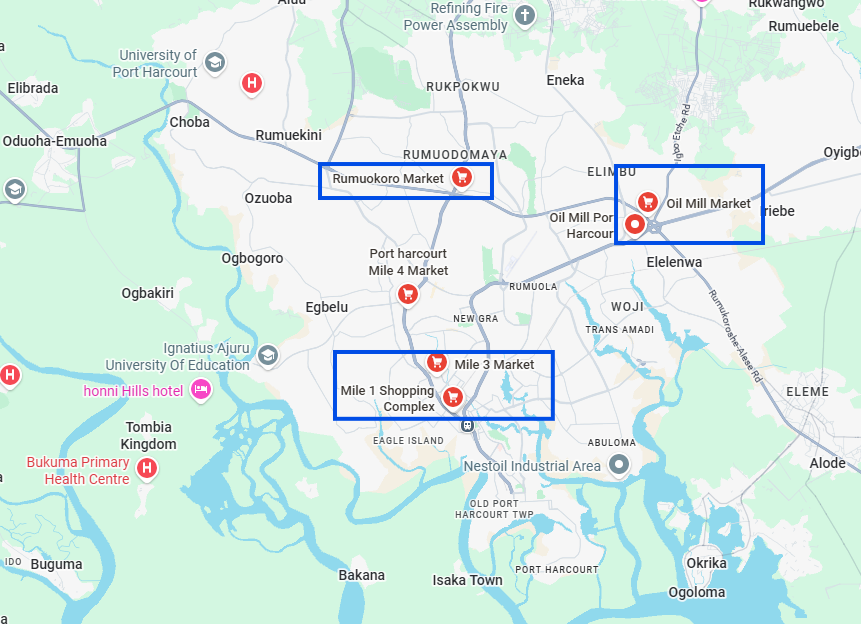
The study area is in Port Harcourt, the capital city of Rivers State, Nigeria, which is situated in the Niger Delta region with a rich riverine environment and a complicated topography of rivers and creeks, with abundant tropical vegetation. It is in the coastal terrain between latitude 4.420N and 4.421N and longitude 6.416E and 6.413E which facilitates the transport of goods in both inland and maritime trade, having a population of more than 5.1 million people (National Population Commission [NPC], 2016). Three major public markets have been chosen as study area, namely Mile One Market, Oil Mill Market and Rumuokoro Market. The selection of these markets was based on their size, economic importance, and fire incident history.
Mile One Market is in the Diobu area of Port Harcourt, one of the oldest and busiest markets in Port Harcourt. The traders of the textiles, electronics, foodstuffs and household goods are in abundance here. The market is congested and has restricted access routes making emergency response and fire containment difficult. Oil Mill Market is located on the Aba road axis and is mainly a market for buying and selling of oil products on Wednesdays, attracting traders and buyers from all parts of Rivers State and neighbouring states. Rumuokoro Market is near Rumuokoro roundabout which is a major transportation hub in Port Harcourt. The location of the market close to the main road and the semi-organized structure of the market makes it a key location to evaluate the fire safety preparedness in a transitional urban environment.
The locations of the three markets are shown in Figure 1, and their notable features are summarized in Table 2.
2.3Sample and sampling technique
The study uses a multi-stage sampling method to obtain a representative and methodologically appropriate sampling of the target population. The first stage is purposive sampling which involves the selection of three major public markets in Port Harcourt, these are; Mile One Market, Oil Mill Market and Rumuokoro Market. The markets were selected for their commercial importance, size, and the incidence of a fire, as they represent high-risk urban trading areas for fire safety assessment (Golding et al., 2023). In the second stage, stratified random sampling is used within each market to make sure that the sample is proportional across the selected key groups of stakeholders. These markets have a diverse population, including traders, market leaders, security guards, and sanitation workers. Stratification is used to break up the population into different sub-groups (strata) and then randomly sample participants from each sub-group. This will enable the results to be more reliable as it reflects multiple views on fire safety awareness, infrastructure, and emergency response practices. The Taro Yamane formula was used to determine the sample size that was to be used. This formula is often used to determine sample size when estimating a proportion in a finite population, and is given by:
where n is the sample size, N is the population size and d is the level of precision (0.05 at the 95% confidence level). In this study, the finite population is 6,450 (Table 1), and the sample size was calculated as:
Allowing 10% attrition (37.6) gives a sample size of 376.6 + 37.6 = 414.2, approximately 414.
Although the calculated sample size for this study was 414, the researcher opted to increase the sample size to 500 in order to enhance the robustness of the findings, improve statistical reliability, and ensure broader representation of the target population. Therefore, a minimum sample size of 500 respondents was used for this research.
A proportionate sampling approach was applied to allocate the sample to each market: Mile One Market, (2,500/6,450) × 500 = 194; Oil Mill Market, (2,150/6,450) × 500 = 163; and Rumuokoro Market, (1,800/6,450) × 500 = 150.
The respondents were selected randomly by systematic sampling within each market from stratified population. For instance, every 5th trader in a sequence can be approached, or the traders who have administrative positions can be chosen as market leaders. This approach minimises selection bias and gives a sample that reflects the diversity of operations within each market. In this study, a multi-stage sampling method is used to ensure methodological rigor and practicality. It enables market selection and at the same time representativeness of the total population of market actors in Port Harcourt. This will enhance the credibility of the research results and facilitate the analysis of the preparedness for fire safety in various market contexts.
| Market | Population |
|---|---|
| Mile One Market | 2,500 |
| Oil Mill Market | 2,150 |
| Rumuokoro Market | 1,800 |
| Total | 6,450 |
| Market | Location | Notable feature |
|---|---|---|
| Mile One Market | Diobu, along Ikwerre Road | One of the busiest and most congested trading zones |
| Oil Mill Market | Rumuokwurusi, near Eleme Junction (East-West Road) | Weekly trading, high volume of goods, crowd control challenges |
| Rumuokoro Market | Adjacent to Rumuokoro roundabout | Located at a major transportation hub |
2.4Method of data collection
A structured questionnaire was developed based on the objectives of the study. The instrument comprised Likert-scale questions and was divided into six sections:
- Section A: socio-demographic data.
- Section B: awareness and preparedness of market traders, market managers, market unions and other stakeholders on fire safety procedures and emergency responses.
- Section C: adequacy and functionality of fire safety infrastructure and equipment.
- Section D: response capability of emergency services (e.g. fire service, market security) during a fire incident.
- Section E: the major challenges to fire safety preparedness in the markets, covering regulatory, infrastructural and behavioural issues.
- Section F: recommended strategies to improve fire safety planning, infrastructure and awareness.
Data collection was carried out by using a structured questionnaire for two weeks in selected public markets in Port Harcourt. The questionnaires were administered in person by trained research assistants to ensure clarity, accuracy and completeness of responses.
2.5Method of data analysis
The quantitative data from the structured questionnaires were analysed using descriptive statistics such as mean scores, percentages and frequencies in SPSS version 26. These measures facilitated the summarization of the fire safety preparedness of the selected markets. Along with descriptive analysis, inferential statistics like Chi square tests were also used to explore the relationships between the key variables, e.g., between fire safety awareness and preparedness level, or between infrastructure availability and response capacity (Clark & Clark, 2018).
3Results and discussion
3.1Demography of respondents
The study evaluated the fire safety preparedness in selected public markets in Port-Harcourt. The socio-demographic profile of the 483 respondents of the study showed very important patterns that confirm and corroborate the existing literature on the field of market fire safety in Nigeria. The age structure is heavily skewed towards the working age population with the highest proportion of people aged 26-30 (20.1%) and 31-35 (19.0%). The youthful age profile reflects the results of Adebayo et al. (2018) on the Lagos markets, but they did not report much on the level of disaggregation of the age categories. This relatively low share of older people aged 51 years and over (5.2%) may indicate that older traders are less likely to participate in the market or that the market is dominated by younger and economically active people. The educational profile is a disturbing picture that directly relates to the fire safety awareness problems described in previous studies. Sixty-six percent (66.5%) of respondents have only primary education or no formal education at all with 34.8% having only primary and 31.7% not having formal education. The educational gap is important in explaining the low fire safety awareness recorded in all the Nigerian markets consistently. Okwuonu et al. (2022) for example, reported only 32.4% of traders in South-South Nigeria were capable of using fire extinguishers and Odaudu (2021) reported that only 18% of the market stalls in Abuja had visible evacuation signs. Limited literacy could be an important obstacle in understanding written safety instructions, technical fire safety training, and emergency signage issues that have not been studied before, as evidenced by the educational information obtained from the present study.
The occupational distribution shows that the majority (59.4%) of the market stakeholders are traders, similar to the sampling strategies used by Mensah and Osei (2019) in Accra and Mwangi et al. (2020) in Nairobi. This study however, does not limit itself to traders as has been done in most past studies; it also includes a variety of other stakeholders, including market leaders (6.6%), security personnel (8.5%) and sanitation workers (11.8%) to give it a more broad stakeholder perspective. This wider representation of the system fills a gap in the literature highlighted by Ibekwe et al. (2024) who argued that coordinating multiple stakeholders is important in fire emergency preparedness. The distribution of the markets across the three major markets in Port Harcourt namely the Mile One Market (39.9%), Oil Mill Market (29.6%) and Rumuokoro Market (30.4%) is relatively good for representing the different market environments within the study area. This multi-site approach is similar to the approach used by Alabi et al. (2022) in Ibadan and Alom and Ogbuene (2023) in the markets of southeast Nigeria, where multiple fire sites were sampled to reflect the diversity of fire safety conditions.
3.2Level of awareness and preparedness of market stakeholders
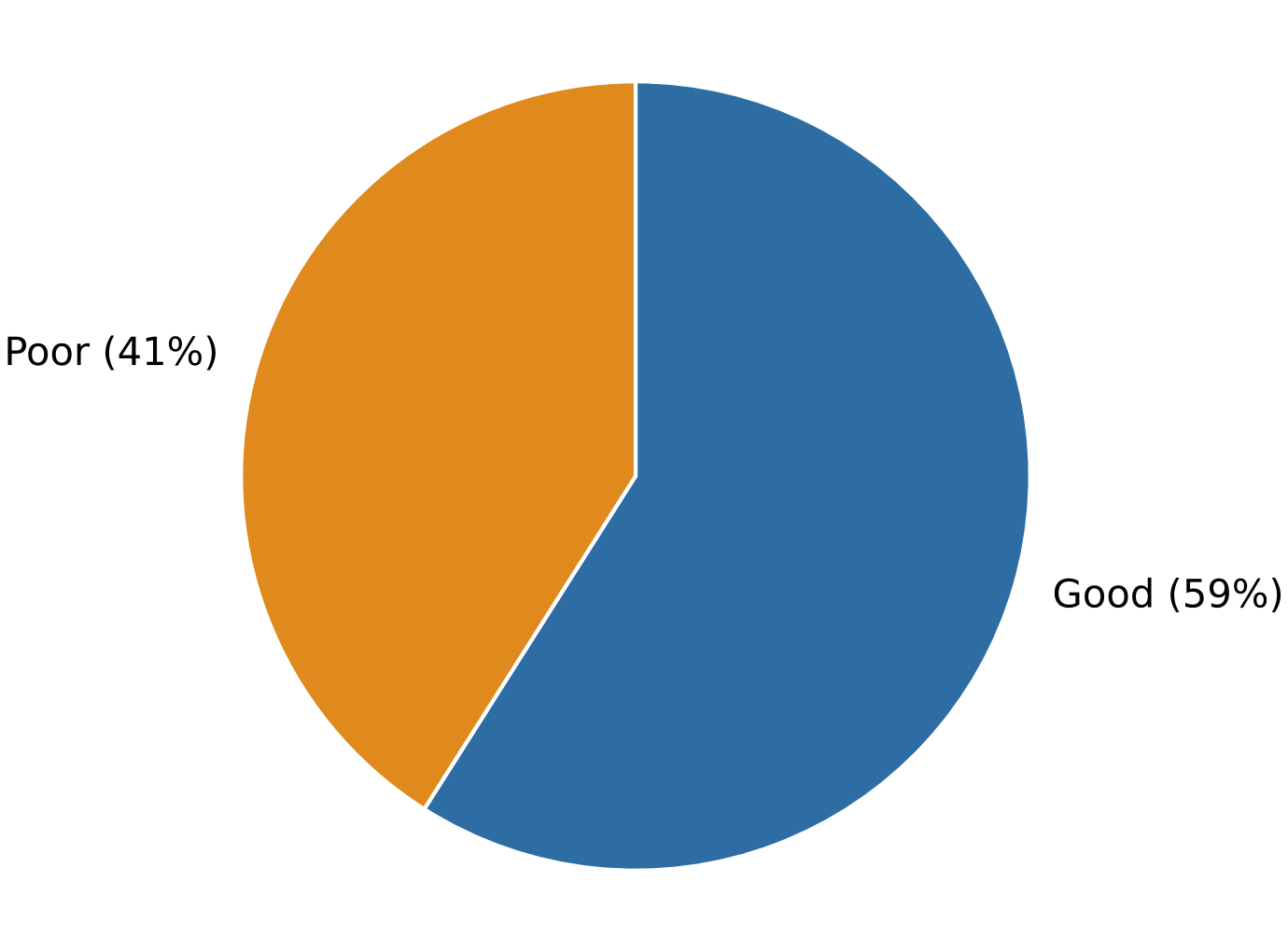
The study showed an overall moderate level of awareness and preparedness among the market stakeholders in Port Harcourt with 59% of the respondents having good awareness and preparedness on fire safety procedures, which is a significant difference from the previous Nigerian market studies which reported mainly poor level of awareness. The grand mean score of 3.5 shows that awareness is generally good, with scores significantly higher than those recorded by Adebayo et al. (2018) at Lagos where only 38% of traders had knowledge of emergency evacuation routes, while only 27% have undergone formal fire safety training. This difference may mean that the level of fire safety awareness is actually increasing in Port Harcourt markets, or that the methods used to measure fire safety awareness vary between studies.
Specific dimensions of awareness are examined to discover patterns that are consistent and inconsistent with the literature. The highest levels of awareness were for the following: fire safety is everyone's responsibility (mean = 4.2) and the importance of keeping fire prone materials away from heat sources (mean = 4.1). The results are consistent with the findings of Boateng and Owusu (2017) in the study conducted in the market in Kumasi, West Africa where they found that 68% of the respondents had a good theoretical understanding of the fire hazards in the market as they considered the improper storage of flammable materials as a serious fire hazard. In a similar regard, the study also found that 77.5% of the respondents are aware of basic fire outbreak procedures (mean = 4.0) which is comparable to the result obtained by Mensah and Osei (2019) in their study conducted in Accra, Ghana where they reported relatively high hazard consciousness but low manual preparation.
But there are still critical preparedness gaps, especially with regard to areas of practical training and drill participation, which are often highlighted in the literature. Formal fire safety training was provided to only 31.2% of respondents (mean = 2.6) and only 29% (mean = 2.5) had taken part in fire drills during the last year. Similar figures were obtained in Nairobi by Mwangi et al. (2020) who found that 60% of the stakeholders had never conducted fire drill, and in Abia healthcare facilities study by Ukegbu et al. (2022) who found that only 9% of the staff had undergone fire safety training. This training gap, which was observed in a variety of settings, from the Nigerian market to healthcare facilities to the East African market, is systemic, and highlights the need to bridge the gap between being aware of fire safety and being prepared for it through structured training.
The study shows a paradoxical competence gap, in that 62.7% know where the emergency exits are, but 58.8% know emergency contact numbers, and only 46.1% know how to operate the fire extinguishers correctly (mean = 3.1). This operational knowledge gap is in line with Okwuonu et al. (2022) who reported that 78.7% of the respondents in South-South Nigeria reported that fire extinguishers were present, while 32.4% of the respondents could use the extinguishers, and Sharma and Gupta (2019) who reported that 54% of the respondents in Delhi reported that fire extinguishers were present, and 32% of the respondents could use the fire extinguishers, but they were not aware of the maintenance requirements. The findings across geographies indicate that awareness campaigns are effective in communicating the availability of safety equipment, but they do not necessarily lead to the development of hands-on skills, which was noted by Naidoo et al. (2021) in their intervention study in Johannesburg that structured training could help to boost procedural knowledge from 29% to 65%.
The overall level of awareness and preparedness is shown in Figure 2.
3.3Adequacy and functionality of fire safety infrastructure and equipment
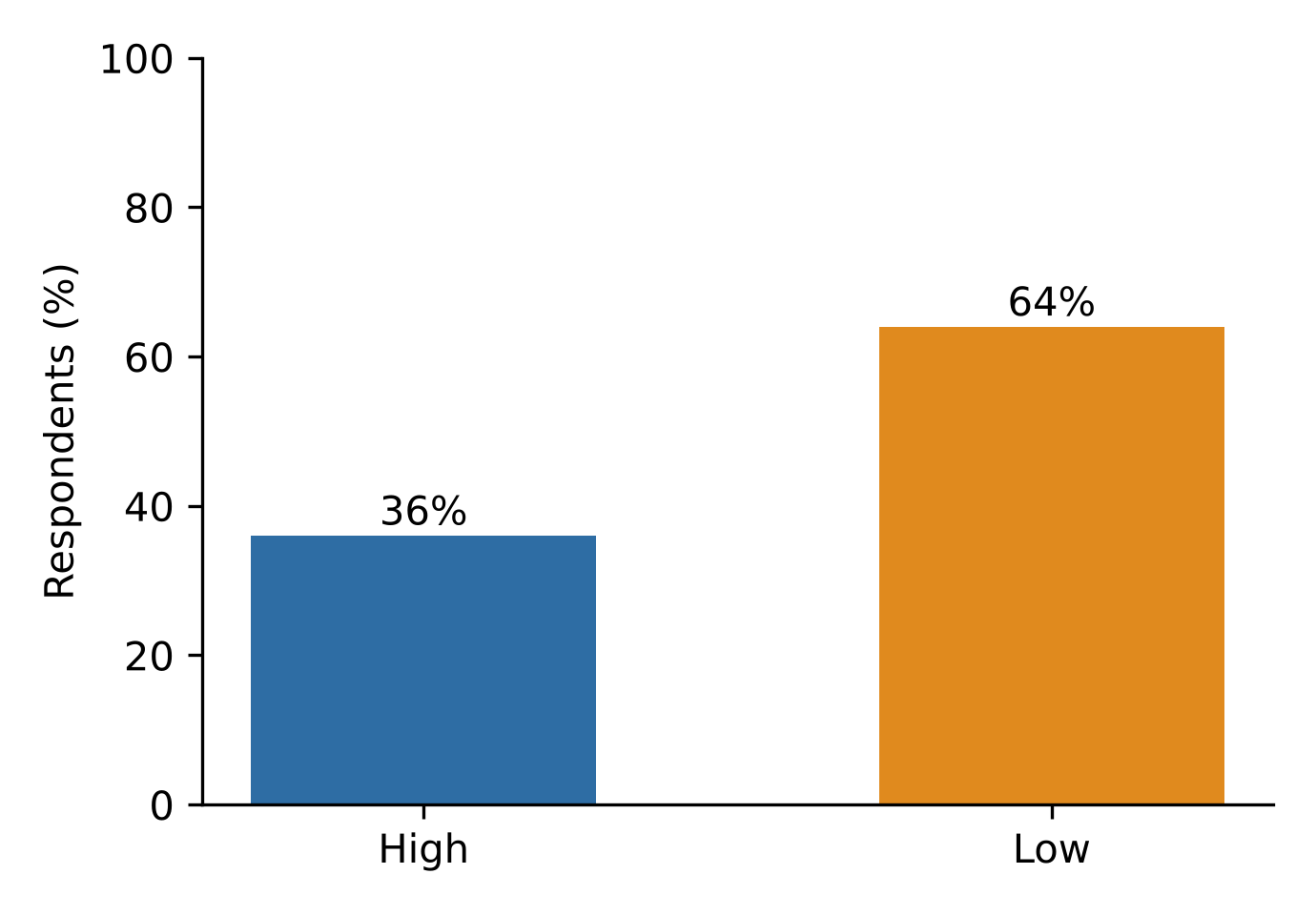
It shows that markets in Port Harcourt have a critical infrastructure problem with 64% of the respondents showing that fire safety infrastructure is inadequate, and a grand mean of 2.8 showing that overall, the functionality of the markets is low. This result is more or less similar to the systemic infrastructure failures recorded in Nigerian markets in previous studies. The inadequacies highlighted in this study are similar to those reported by Ishaku et al. (2025) who reported that 72% of major Nigerian markets had no evacuation routes while more than 65% of the markets had no fire hydrants and similarly by Agbili and Ogbuene (2024) who reported that 83% of the traders in the south eastern Nigeria markets had no fire extinguishers. The most critical infrastructure gaps emerged in fire detection and suppression systems. The two lowest rated items were functional fire alarms (25.2% mean = 2.5) and reliable water sources or fire hydrants (28.4% mean = 2.5). The results further corroborate the Lagos Island study by Oluwole et al. (2022) which reported the absence of fire detection systems in 61% of the markets and the absence of fire alarms in 82% of the markets in Anambra and Enugu by Alom and Ogbuene (2023). This uniformity of the hydrant problem in studies that reported 71% of the market zones in Ibadan lacked hydrants and only 18% of the market buildings in the north had hydrants indicates a nationwide pattern of inadequate firefighting infrastructure which makes markets extremely vulnerable to uncontrolled spread of fire.
Lack of fire extinguishers or lack of maintenance of fire extinguishers is equally problematic. Only 37% confirmed extinguishers are visible and accessible (mean = 2.8) and 30% agreed that they are inspected and maintained regularly (mean = 2.6). The figures are similar to the ones obtained at Kaduna Central Market by Yunus (2021) which showed that only 12% of traders were aware of the proper use of the fire extinguishers while 67% of the extinguishers were expired or nonfunctional, and Odaudu (2021) showed that only 41% of the stalls in Abuja had fire extinguishers. The maintenance deficit specifically aligns with Sharma and Gupta's (2019) observation in Delhi that of the 54% who could use extinguishers, only 32% knew about equipment maintenance, which was found to be a universal shortcoming, lacking in any preventive equipment management system.
Three items were marginally higher, even though there are significant infrastructure issues, with the ratings for clearly marked emergency exits (mean = 3.2), electrical installation safety (mean = 3.1) and visible fire safety signage (mean = 3.0). But these "high" ratings are still moderate and are at odds with similar studies. For example, Odaudu 2021 reported that only 18% of the stalls in Abuja had clear evacuation signs and the study result of 48.2% agreement implies that there was a relative improvement in Port Harcourt. However, that seemingly good progress is marred by the fact that only 37.1% (mean = 2.9) say that emergency exits remain unobstructed, in line with Akinyemi and Nwosu's (2023) study of Balogun Market, which found 41% of emergency exits were blocked, and Nwankwo and Ezeani's (2024) report of 58% blocked exits in Enugu student hostels. This shows that lack of spatial management and regulatory enforcement makes basic infrastructure inadequate even when it is available.
The lack of clearly designated fire assembly points (mean = 2.7) and the lack of regular upgrading of infrastructure (mean = 2.8) also indicate systemic failures in fire safety management, beyond just a lack of resources, but also a lack of governance, in line with El-Sayed and Hassan (2018) observations in Cairo that, while 73% of officials expressed awareness of fire safety policies, only 36% had adequate equipment and 49% conducted regular checks, a gap between policy awareness and implementation that is consistent across African market settings.
The overall rating of infrastructure adequacy is shown in Figure 3.
3.4Response capacity of emergency services during a fire incident
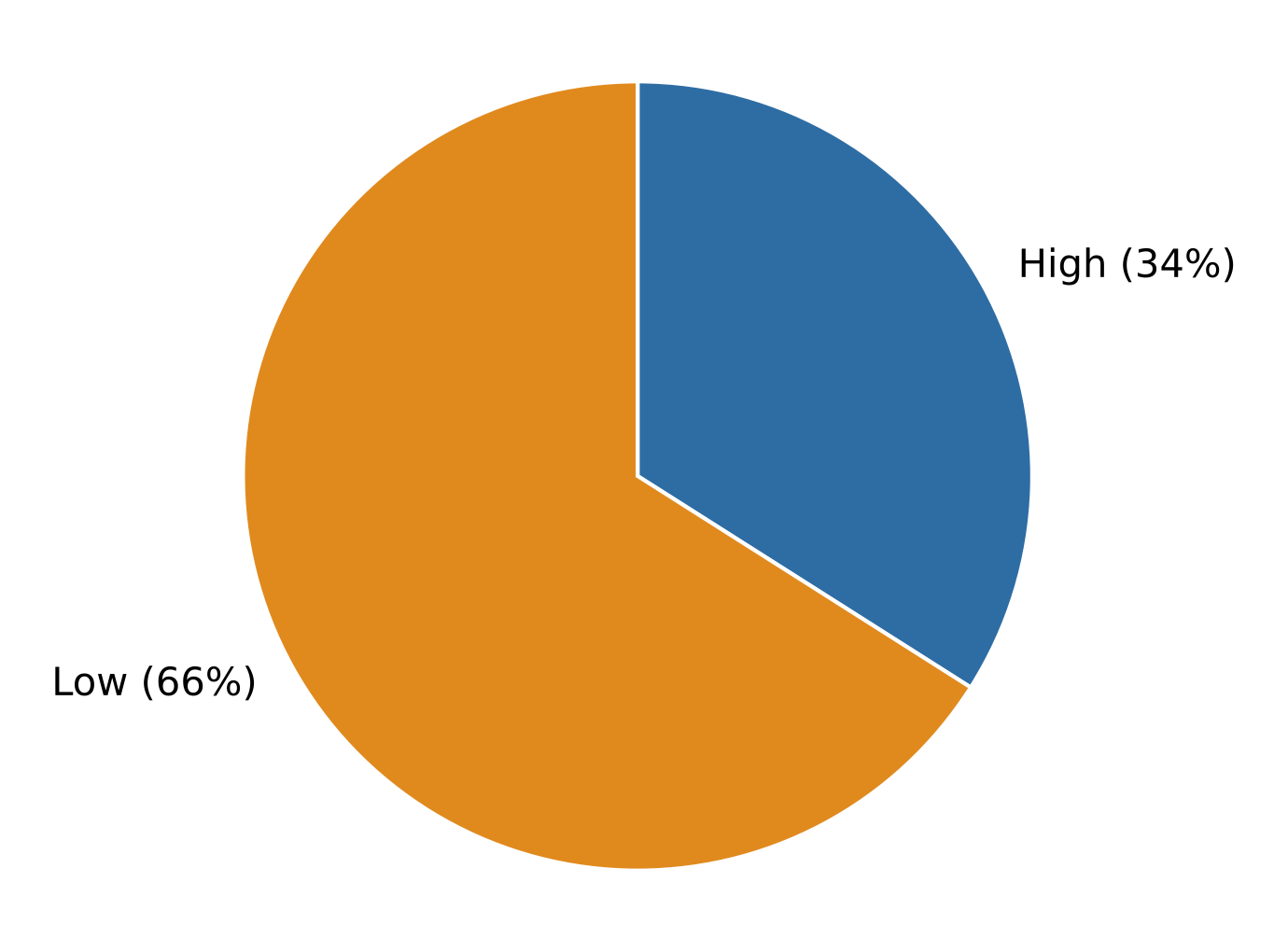
The study shows that the emergency response capacity in Port Harcourt markets is extremely poor, with 66% of the respondents indicating that the emergency response was low with a grand mean score of 2.8. This discovery reflects overall shortcomings in emergency services which are consistent with infrastructure shortcomings found in Nigerian market contexts. The lowest participation was in fire drill frequency (mean = 2.5), with only 28% reported regular fire drill activities by market security, a figure that was very similar to that reported in the first objective of this study (29%) and also aligned with the Mwangi et al. (2020) finding that 60% of stakeholders never participated in fire drill in Nairobi, Kenya, and the Agbili and Ogbuene (2024) report that 88% of the traders in the southeast of Nigeria had never participated in fire drills. Response time is a critical failure with only 29.6% saying that emergency services arrive in a reasonable time (mean = 2.6) and 32% confirming that fire service is prompt (mean = 2.7). The results present direct validation for the Lagos Island study by Oluwole et al. (2022) in which 74% of traders stated that the distance of fire stations from the traders (more than 5km) caused delayed response times, thus highlighting the importance of spatial positioning of fire services in undermining emergency response effectiveness, even when personnel are ready. Accessibility, in addition to distance, is a problem as only 35.6% confirmed that fire service vehicles could easily access markets (mean = 2.8), likely worsened by the congestion in markets and blocked emergency exits noted in objective two (37.1% confirmed unobstructed emergency exits).
Coordination and communication problems also hinder the effectiveness of the emergency response. The percentages of those who agreed that effective coordination exists between fire services and market security (mean = 2.9) and that there is clear communication during incidents (mean = 2.9) were both 38.9%. This is similar to the findings of Ibekwe et al. (2024) in the study of higher institutions in the Niger Delta region, who reported poor coordination between the authorities of institutions and the fire service departments especially in communication protocols and the Udo and Chinedu (2025) study which revealed that only 52% of the offshore oil facilities conducted full scale fire simulation despite having their emergency plans, representing a general trend across Nigeria that the coordination among institutions is poor and this is a key factor in the inability to coordinate the response to emergencies. The lack of equipment is another limiting factor: 33% (mean = 2.7) of responders reported having the required firefighting equipment. This is troublingly linked to the performance evaluation by Dirisu et al. (2019), which show that the Personal Protective Equipment (PPE) worn by firefighting personnel in Nigeria is not acceptable, and Agbonkhese et al. (2017) study conducted in Gombe that revealed inadequate firefighting tools and staff in densely populated areas. The combination of poor responder equipment, poor market accessibility and poor market infrastructure makes for a massive vulnerability that even willing emergency responders can't overcome and effectively suppress a market fire.
The lack of training for market security personnel (mean = 2.8) and lack of knowledge of market layout and high-risk areas (mean = 2.7) also reduce the effectiveness of response.
Only 32.5% said they were aware of the layouts in the markets – a figure that is quite high compared to the Istanbul Grand Bazaar study by Demir and Yildiz (2020), which reported that only 44% had ever participated in a drill – and even that awareness of market layouts did not equate with awareness of evacuation routes.
The overall rating of emergency response capacity is shown in Figure 4.
3.5Key challenges affecting fire safety preparedness
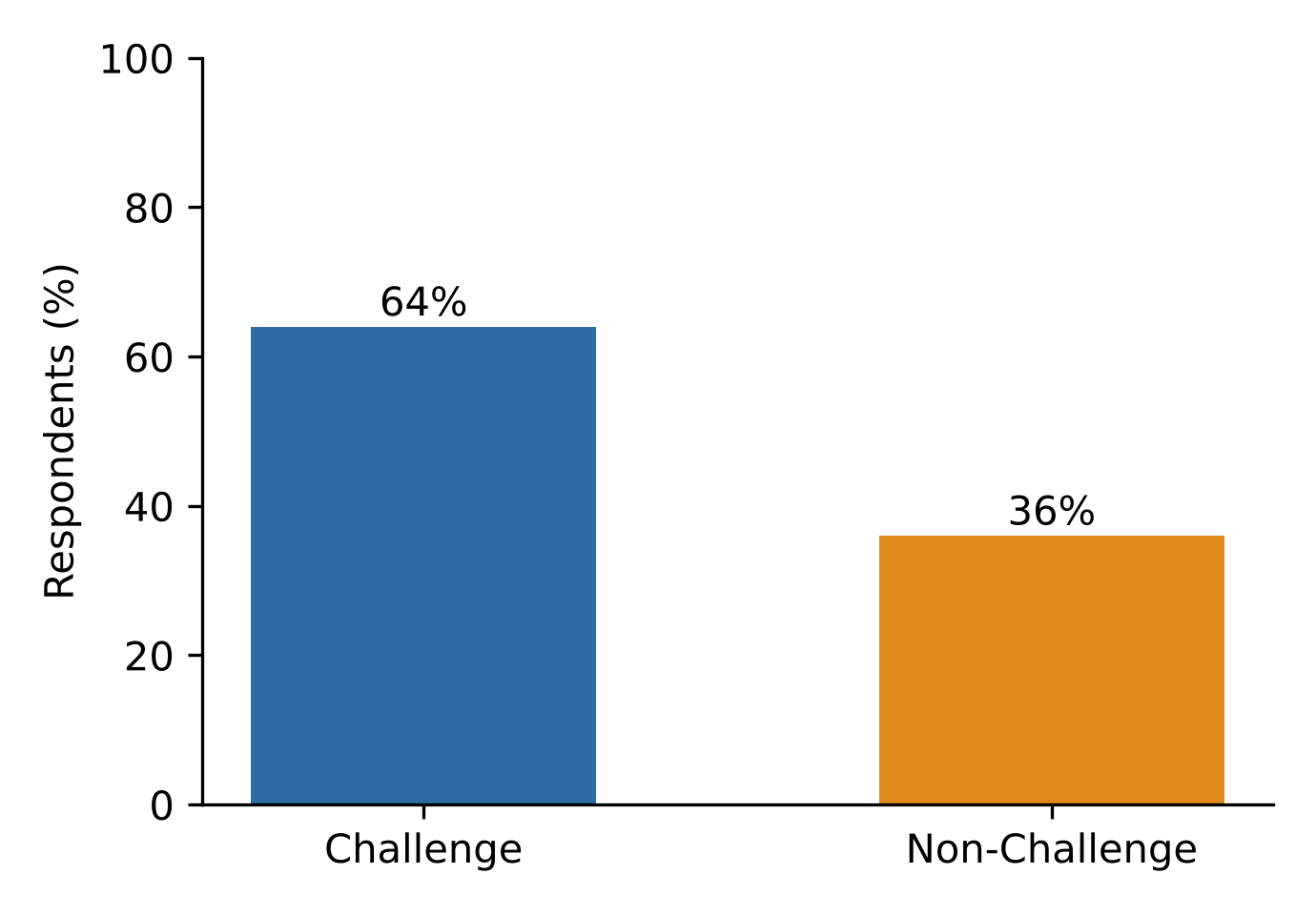
The study reveals widespread and all-encompassing problems of fire safety preparedness in the markets of Port Harcourt as 64% of the respondents indicated that these problems were significant with a grand mean of 3.6. The most pressing issues are those relating to infrastructural limitations (mean = 3.9), blocked access routes and poor market layout (mean = 3.9), and illegal electrical practices (mean = 3.9) which are at the very heart of fire prevention and emergency response issues. The results of the study are consistent with the findings of Sholanke et al. (2025) and Oluwole et al. (2022) which reported that in northern Nigeria, traders who are unable to get out of the market when fire strikes are 69%, while in Lagos Island, traders with electrical connections which are not authorized is 45%, indicating how spatial congestion and regulatory violations pose compound fire risk in Nigerian market environments. The enforcement issue is identified as a significant governance problem – the mean rating of 3.7 for inconsistent policy enforcement was only just behind the mean rating of 3.6 for inadequate fire safety regulations. Just 21.8% said there is a consistent enforcement of fire safety codes and only 24.8% said that there are adequate regulatory frameworks. The results support what El-Sayed and Hassan (2018) observed in Cairo, where 73% of officials were able to describe fire safety policies, but 36% did not have sufficient equipment; and 49% did not conduct regular inspections, hence there was a significant gap between policy formulation and implementation. The same pattern is observed in Bello and Musa's (2022) study of Hotel fire safety in Lagos, Nigeria, where 85% of the hotels had written fire safety policy, but only 46% of them were able to implement the policy.
The major limitations continue to be infrastructure and equipment, as respondents indicated that functional fire extinguishers and hydrants (mean = 3.5) and substandard electrical installations (mean = 3.5) were problems. The ratings corroborate the findings of objective two, which revealed that only 37% of the extinguishers were accessible and 28.4% of the water sources were confirmed as functional; and support the general literature pattern reported by Ishaku et al. (2025) in which 65% of the major markets in Nigeria had no fire hydrants, and Yunus (2021) who reported 67% of the extinguishers in Kaduna were expired or non-functional. The electrical safety challenge resonates particularly well with Nwiabu (2022) modelling study on artificial intelligence which showed that fire ignition probability was 100% where fault resistance was below 0.4 ohms, and Yunus and Falola's (2022) Kano study that showed electrical faults contribute 36% of fire incidents, meaning infrastructural neglect directly translates to risks of fire outbreak. In addition to the structural deficits, behavioral and awareness problems exacerbate the situation. Even though the objective one had an overall good awareness (59%), the respondents pointed out that general lack of fire prevention awareness among traders (mean = 3.8) and unsafe storage of flammable materials (mean = 3.2) were significant challenges. This seemingly paradoxical situation is similar to the findings of Boateng and Owusu (2017), who found that in their study of vendors in the town of Kumasi, 68% of the vendors perceived improper storage as serious risks, while 40% of them were aware of safe storage procedures, yet only a few were aware of the risks because there was no enforcement and practical training on their practices.
The training deficit (mean = 3.5) corroborates objective one, which found only 31.2% had received formal training in the last year and confirms Ukegbu et al.'s (2022) study for the healthcare workers in Abia, Nigeria, who reported only 9% had been trained in fire safety, and Okwuonu et al.'s (2022) report of 32.4% of traders in South-South Nigeria being able to use an extinguisher. The repeatability of this challenge across a wide range of markets and healthcare facilities suggests a lack of systemization in implementing regular fire safety capacity building programmes, which Naidoo et al. (2021) showed could be overcome by structured fire safety interventions, which enhanced procedural knowledge from 29% to 65%.
The overall rating of the challenges is shown in Figure 5.
3.6Recommended strategies for improving fire safety planning and infrastructure
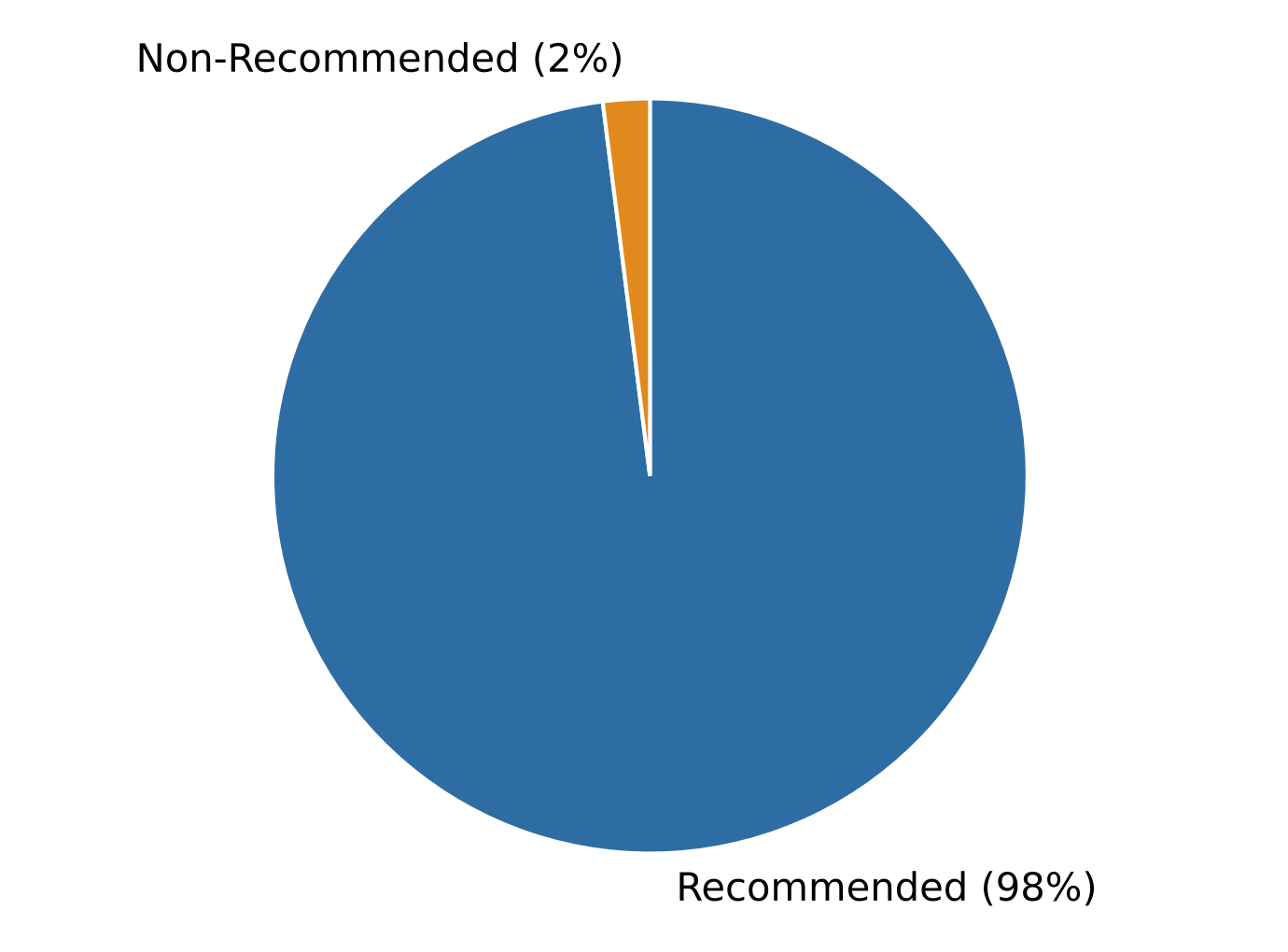
The study shows high level of agreement among the market stakeholders of Port Harcourt on the strategies to be adopted to improve fire safety, with 98% of the market stakeholders supporting proposed interventions and a mean of 4.6 for all the ten strategies. The levels of support reported here are unprecedented in the literature examined and indicate a recognition of the need for a thorough reform of critical safety issues among stakeholders. The uniformity of endorsement is a reflection of the severity of the issues raised in the previous objectives: 64% felt that infrastructure was inadequate, 66% felt that emergency response capacity was low and 64% confirmed that pervasive preparedness challenges were an issue. The highest priority interventions target structural and infrastructural gaps that are regularly identified in Nigerian markets. In response to the findings by Ishaku et al. (2025) that 72% of Nigerian markets have no evacuation routes, 99.4% of the stakeholders agreed on the need for comprehensive market-specific fire safety plans, 98.7% agreed on the need for modern firefighting equipment installation, and 98.1% agreed that market layout redesign for emergency access was necessary, given that 65% of the markets had no hydrants and 69% of the traders could not access the emergency exits due to poor design. The recommendations are infrastructure driven and are in agreement with those of Agbonkhese et al. (2017) who recommended provision of community-based firefighting equipment and Okwuonu et al. (2022) who recommended the need to enforce market regulations more stridently after conducting a study which found that 55.7% of traders in South-South Nigeria used naked fire in their stalls. Similarly, 99% agreed that traders and staff should be required to attend fire safety training, and 98.6% believed in conducting periodic fire drills as part of the capacity building strategies. The consensus confirms interventions that have been identified as effective in previous research, such as the structured training that resulted in a 41% to 78% improvement in hazard identification and a 29% to 65% increase in procedural knowledge in the Johannesburg study, conducted by Naidoo et al. (2021). The high level of support for training is directly addressing skills gaps identified in objective one, whose results were 31.2% trained within 12 months and 29% training drills – consistent with Mwangi et al. (2020) who reported 60% of market participants in Nairobi had never participated in fire drills, and Agbili and Ogbuene (2024) who found 88% of the markets in the southeast region did not participate in drills.
Governance and enforcement mechanisms received overwhelming support—98.5% agreed on strengthening the partnership between government and the market, and 98.1% agreed on the establishment of fire safety committees in each market. These recommendations reflect the enforcement deficit observed in objective four, with only 21.8% reporting that fire policies were consistently enforced, and are consistent with El-Sayed and Hassan's (2018) recommendations for improving enforcement in Cairo after discovering that, although 73% of officials expressed fire policies, only 49% conducted regular inspections. This is in keeping with Okonkwo and Eze (2025) recommendation of forming fire safety committees in manufacturing plants in Rivers State which reported that 67% of the plants did not have evacuation maps and 54% had no fire wardens. Awareness and behavioural change strategies were endorsed with equal vigour: 97.3% endorsed public awareness campaigns and 97.3% endorsed incentive mechanisms for compliant traders. The recommendations cover the awareness-behavior gap noted for each objective, with 59% showing good awareness, but gaps noted in unsafe storage practices (mean = 3.2) and illegal electrical connections (mean = 3.9). The incentive-based approach is a new approach and has not been widely studied in the literature that has focused mainly on punitive enforcement. This positive reinforcement mechanism may also be a way to address the gap between knowledge and compliance that Boateng and Owusu (2017) found in Kumasi; the city's formal education recommended by Ramirez and Torres (2022) for Mexico City could be strengthened by the introduction of this positive reinforcement mechanism.
The approach to developing clear emergency exit routes (98.5% support) directly addresses the accessibility problems that are ubiquitous in Nigerian markets as identified by Akinyemi and Nwosu (2023), who reported that 41% of exits from Balogun market were inaccessible, and by the report of Nwankwo and Ezeani (2024) that there were 58% inaccessible exits from the Enugu hostels. The almost universal support for all of the objectives in contrast to the mixed results in the awareness, infrastructure, and response capacity objectives indicates that, while capacity may be constrained, stakeholders are generally aware of what is needed to improve fire safety, suggesting that lack of knowledge is not the main obstacle to fire safety, but rather a lack of resources, political will, and enforcement.
The overall level of support for the recommended strategies is shown in Figure 6.
3.7Test of hypothesis
The findings from Hypothesis One revealed a significant relationship between the extent of awareness and preparedness of market traders, managers, market unions, and other stakeholders of the selected public markets in Port Harcourt on fire safety procedures and emergency response and the level of preparedness of fire safety infrastructure and equipment in the selected public markets in Port Harcourt. The null hypothesis was rejected in the chi-square analysis (χ² = 18.742, df = 1, p = 0.00011), which means that there was a significant difference in the proportion of respondents who reported the fire safety infrastructure to be adequate and functional compared to those who reported it to be inadequate and dysfunctional.
This finding indicates that there is a strong relationship between fire safety awareness and infrastructure, and that they reinforce one another. Market actors with adequate knowledge of fire prevention measures, emergency procedures and the correct use of firefighting equipment are more likely to see the value of working fire safety infrastructure, to demand it, and to ensure that existing facilities are used and are well maintained. However, poor infrastructure can dissuade people from engaging in practical preparedness even if they are aware of it, thus diminishing the effectiveness of fire safety programmes.
The result is similar to what Adebayo (2018) found, where there was a positive correlation between the awareness for fire safety among the market traders in Lagos and the level of compliance with fire safety measures and the appreciation of the firefighting facility. Likewise, Naidoo et al. (2021) reported that the structured fire safety education program was effective in enhancing participants' knowledge, preparedness, and effective use of fire safety equipment. The findings also confirm the findings of Alao et al. (2021) who argue that regular fire safety training increases awareness of the occupants and promotes proper use and maintenance of fire protection systems.
Moreover, the study confirms the assertion of Ibekwe et al. (2024) that in addition to the presence of the fire emergency facilities, there is a need for stakeholders' awareness and active engagement in the maintenance and use of the fire emergency facilities for effective fire emergency preparedness. In the same way, Demir and Yildiz (2020) found that markets with more informed stakeholders performed better in emergency situations with respect to the compliance with emergency preparedness measures and the utilization of the fire safety infrastructure.
This finding suggests that the improvement of fire safety preparedness in public markets should not only be done by installing firefighting facilities. The same level of attention should be paid to continuous public awareness campaigns, frequent fire safety education, demonstration and exercises and periodic fire drills. The integration of proper infrastructure and regular awareness and preparedness among the various stakeholders will greatly boost the efforts of preventing fire, responding in case of fire, and general fire safety management within the public markets of Port Harcourt.
4Conclusion
The study concludes with the following; stakeholders have moderate awareness of fire safety preparedness while practical preparedness is low in selected public markets in Port Harcourt; there is inadequate fire safety infrastructure and low emergency response capacity in selected public markets in Port Harcourt. Although a basic understanding of fire safety concepts is common among traders and market managers, there are still areas where training, involvement in fire drills, and knowledge of firefighting equipment are lacking. The risks are compounded by other structural and regulatory issues such as inadequate layout of markets, obstructed access ways, illegal electrical connections, and inconsistent compliance with fire safety regulations. There is strong support from stakeholders for comprehensive strategies for improvement, such as customised fire strategies, fitting out modern equipment, conducting regular training and drills, and strengthening enforcement systems. Thus, a coordinated intervention to tackle both behavioural and infrastructural shortcomings is crucial to improve fire prevention, response and safety in Port Harcourt public markets.
References
- [1]Adebayo A, Adewale T, Johnson M (2018). Fire safety awareness among market traders in Lagos State. Journal of Environmental Safety and Risk Management, 5(2), 45–57.
- [2]Adekunle SA, Bello AT (2021). Fire prevention strategies in Nigerian public markets. Nigerian Journal of Environmental Management, 14(1), 88–102.
- [3]Agbonkhese O, Yisa GL, Agbonkhese EG, Akanbi DO, Aka EO, Mondigha EB (2017). Flood menace in Nigeria: Impacts, remedial and management strategies. Civil and Environmental Research, 4(15), 32–40.
- [4]Alabi AO, Ogunleye TA, Ojo AO (2022). Fire safety infrastructure assessment in selected commercial centres in Nigeria. Journal of Building Safety and Risk Management, 10(3), 121–136.
- [5]Alao AO, Adeyemi KA, Salami OT (2021). Fire safety education and emergency preparedness in public buildings. International Journal of Safety Engineering, 9(2), 51–63.
- [6]British Standards Institution (2020). BS 9999: Code of practice for fire safety in the design, management and use of buildings. BSI Standards Publication.
- [7]Golding S, Onuegbu WC, Koripamo ET (2023). Assessment of fire hazard preparedness of major markets in Port Harcourt metropolis. Global Scientific Journal, 11(9), 1–15.
- [8]Google (2025, September). Google Maps. https://www.google.com/
- [9]Gowlett J (2016). Discovery of fire by humans: A long and convoluted process. Philosophical Transactions of the Royal Society B: Biological Sciences.
- [10]Hassanain MA, Al-Harogi M, Ibrahim AM (2022). Fire safety risk assessment of workplace facilities: A case study. Frontiers in Built Environment, 8. https://doi.org/10.3389/fbuil.2022.861662
- [11]Hsiao CJ, Hsieh SH (2023). Real-time fire protection system architecture for building safety. Journal of Building Engineering, 67, 105913. https://doi.org/10.1016/j.jobe.2023.105913
- [12]Ibekwe N, Nwaogazie G, Adesope O, Ugbebor J (2024). Investigation of the effectiveness of fire risk emergency preparedness in higher institutions in the Niger Delta region of Nigeria. International Journal of Innovations in Engineering Research and Technology, 11(10), 8–23.
- [13]Ibrahim A, Okafor N (2023). Community-based fire safety awareness and response in informal settlements of Lagos Mainland. Journal of Community Risk Management, 5(2), 77–91.
- [14]Idowu J (2024, November 10). How weak regulations' enforcement fuels Lagos markets' fire disaster. Punch Newspapers. https://punchng.com/how-weak-regulations-enforcement- fuels-lagos-markets-fire-disaster/
- [15]Idris A, Abotbina W, Masood M (2024). A review of fire safety at workplace. https://doi.org/10.64516/00npms38
- [16]Ifeanyi O, Umeh B (2025). Fire safety compliance in public markets: A study of Onitsha Main Market. Market Safety Journal, 8(4), 144–158.
- [17]Ilodiuba N, Nwaogazie IL, Ugbebor J (2017). Classification of causes and strategies for curbing market fire in Nigeria. Archives of Current Research International, 1–13. https://doi.org/10.9734/ACRI/2017/33347
- [18]Ilodiuba N, Nwaogazie IL, Ugbebor J (2017). Awareness assessment of hazardous activities and effects on market fire in Nigeria. Academia Scholarly Journals (ASJ)
- [19]Isah H, Daura BN, Lugga YS (2023). Assessment of fire safety management in some selected Nigerian tertiary institutions.
- [20]Ishak MSS, Samad NIA, Hamzah NA, Nasrom M, Nawi M, Shaari J (2023). Understanding the level of awareness and knowledge of fire safety among kindergarten teachers. Malaysian journal of medicine and health sciences, 19(10), 183–193
- [21]Ishaku MA, Olagunju RE (2025). A review of fire safety techniques for market fire disaster in Nigeria. Environmental Management, 11(6).
- [22]Ishaku MA, Orewere E, Olagunju RE (2025). A review of fire safety techniques for market fire disaster in Nigeria. International Journal of Geography, Environment and Management, 11(6), 173–182. https://iiardjournals.org/get/IJGEM/VOL.%2011%20NO.%206%202025/A%20REVIEW %20OF%20FIRE%20SAFETY%20173–182.pdf
- [23]Iyaji SO, Kolawole OB, Anthony AT (2016). Empirical analysis of the potentials in block moulding industries as a panacea for reducing unemployment in Nigeria. Journal of Good Governance and Sustainable Development in Africa, 3(1), 73–84.
- [24]J. M. C (2013). The enterprise of fire safety services. University of Ibadan Press.
- [25]Jaafar AS, Ishak N, Jaffar N, Othman MA, Abdul Talib Y, Nasaruddin MAE (2022). User awareness on fire escape in hospital building in Perak. International Journal of Academic Research in Business and Social Sciences, 12(8). https://doi.org/10.6007/IJARBSS/V12-I8/14483
- [26]Kabara RD, Sahabo MM, Habibu AS (2023). Assessment of fire safety preparedness in Muhammad Abubakar Rimi Market (Sabon Gari), Kano, Nigeria. Journal of Applied Sciences and Environmental Management, 27(8), 1857–1864. https://doi.org/10.4314/jasem.v27i8.32
- [27]Kame S (2022). An IoT-based fire safety management system for educational buildings: A case study. International Journal of Advanced Computer Science and Applications, 13(7).
- [28]Kenton W (2020). Market. Investopedia. https://www.investopedia.com/
- [29]Kihila JM (2017). Fire disaster preparedness and situational analysis in higher learning institutions of Tanzania. Jàmbá: Journal of Disaster Risk Studies, 9(1), Article 311. https://doi.org/10.4102/jamba.v9i1.311
- [30]Kikwasi GJ (2015). A study on the awareness of fire safety measures for users and staff of shopping malls: The case of Mlimani City and Quality Centre in Dar es Salaam. Journal of Civil Engineering and Architecture, 9(12). https://doi.org/10.17265/1934-7359/2015.12.003
- [31]Kincelova K, Boton C, Blanchet P, Dagenais C (2020). Fire safety in tall timber buildings: A BIM-based automated code-checking approach. Buildings, 10(7), 121. https://doi.org/10.3390/buildings10070121
- [32]Kodur V, Kumar P, Rafi MM (2020). Fire hazard in buildings: Review, assessment and strategies for improving fire safety. PSU Research Review: An International Journal, 4(1), 1–23. https://doi.org/10.1108/PRR-12-2018-0033
- [33]Korytchenko K, Samoilenko D, Dubinin D, Kucherskyi V, Krivoruchko Y (2021). Enhancing the fire resistance of concrete structures by applying fire-retardant temperature-resistant metal coatings. Materials Science Forum, 1038, 500–505. https://doi.org/10.4028/www.scientific.net/MSF.1038.500
- [34]Kumar D, Paul V (2023). A critical review of risk factors and reliability assessment issues of fire and life safety in buildings. Journal of Real Estate Construction & Management, 37, 23–33. https://doi.org/10.1177/2977657020220303
- [35]Kuru ON, Omuteremu S, Nyandiko N (2017). Evaluating the effectiveness of fire safety training on occupants' response in selected public buildings. International Journal of Science: Basic and Applied Research, 166–173.
- [36]Lawal NM, Chandra I, Bichi NM (2018). Assessment of implementation of fire safety procedures and regulation in public buildings.
- [37]Lemchi J, Ifeanyi-Obi CC, Olatunji SO (2020). Socio-economic factors affecting the marketing of garri in Port Harcourt City, Rivers State. Department of Agricultural Economics and Extension, University of Port Harcourt. https://www.researchgate.net/publication/342242374
- [38]Maina M (2022, February 10). Expect more fire outbreaks in Nigeria—Aregbesola. Daily Post. https://dailypost.ng/2022/02/10/
- [39]Makanjuola SA, Aiyetan AO, Oke AE (2009). Assessment of fire safety practices in public buildings in Western Nigeria. In COBRA Research Conference Proceedings.
- [40]Mboma, L., & W (2022). Assessment of markets' fire emergency preparedness in Tanzania: A case study of six markets in Ilala City Council, Dar es Salaam. World Research of Business Administration Journal, 2(2). https://doi.org/10.56830/OJSE4609
- [41]Meacham BJ (2022). Fire performance and regulatory considerations with modern methods of construction. Buildings & Cities. https://doi.org/10.5334/bc.201
- [42]Meng Q, Li Y, Zhang H, Wang J, Liu Z, Yan H (2024). A systematic review and bibliometric analysis of electrical fires from 1993 to 2022. Fire Technology, 60(2), 345–368. https://doi.org/10.1007/s10694-023-01345-9
- [43]Mensah S, Osei K (2019). Assessment of fire safety awareness in Accra Central Market. Ghana Safety Review, 9(1), 44–58.
- [44]Merriam-Webster (2021). Fire. https://www.merriam-webster.com/dictionary/fire
- [45]Minjibir AH, Abubakar AS, Bello NI, Isma'il AH (2023). Geographical analysis of fire outbreak in Kano urban markets, Nigeria. International Journal of Environmental Pollution and Environmental Modelling, 6(3), 177–190.
- [46]Mohammed A, Bello S (2022). Structural vulnerabilities and fire spread in multi-tenant buildings in Abuja. Journal of Building Safety, 4(3), 112–125.
- [47]Moshashaei P, Alizadeh SS (2016). Fire risk assessment: A systematic review of the methodology and functional areas. Open Access Journal of Iran. https://oaji.net/articles/2017/509-1484449945.pdf
- [48]Mubita K, Milupi I, Monde PN, Simooya SM (2020). A proposed holistic approach to fire safety management in Zambian markets. International Journal of Humanities Social Sciences and Education, 7(11), 93–101.
- [49]Muhammad R, Eze JC (2021). Assessment of design methods on fire prevention strategies for high-rise buildings in Lagos, Nigeria. In School of Environmental Technology (SETIC) 2020 International Conference: Sustainable Housing and Land Management (pp. 656–663).
- [50]Mwangi J (2020). Evaluating emergency preparedness in Nairobi's Gikomba Market. African Journal of Disaster Management, 12(3), 210–223.
- [51]Mweetwa HM (2018). Fire incidence preparedness by Mazabuka Municipal Council: A case study of urban markets.
- [52]Naidoo T (2021). Fire safety training effectiveness in Johannesburg informal markets. South African Safety Research, 18(2), 135–148.
- [53]Naziris IA, Mitropoulou CC, Lagaros ND (2022). Innovative computational techniques for multi-criteria decision making in the context of cultural heritage structures' fire protection: Case studies. Heritage, 5(3), 1883–1909. https://doi.org/10.3390/heritage5030098
- [54]Nnodim O (2020). Challenges in enforcing the Fire Safety Act in Nigerian markets. Nigerian Journal of Fire Safety, 7(2), 22–30.
- [55]Nwahia OC, Elemasho MK, Nwebor E, Aneke CC, Ogodo CO, Eke SI, Iordekighir AA (2024). Economics assessment of garri processing in Rivers State, Nigeria. SVU-International Journal of Agricultural Sciences, 6(3), 80–89.
- [56]Nwankwo C, Ezeani J (2024). Fire preparedness and risk perception in overcrowded student hostels in Enugu. Journal of Campus Safety, 5(3), 101–115.
- [57]Nwiabu N (2022). Predicting fire outbreak caused by electrical faults using artificial bee colony algorithm. International Journal of Engineering Research and Applications, 12(4), 22–31.
- [58]Obafemi AA, Eludoyin OS (2021). Fire hazard preparedness and mitigation in selected market centres in South-Eastern Nigeria.
- [59]Obasa OOS, Mbamali I, Okolie KC (2020). Critical investigation of causes and effects of fire disaster on buildings in Imo State, Nigeria. IOSR Journal of Environmental Science, Toxicology and Food Technology, 14(5), 7–15.
- [60]Odaudu US (2021). Evaluation of fire prevention and protection measures in markets in the Federal Capital Territory of Nigeria (Doctoral dissertation, Federal University of Technology).
- [61]Odogwu G (2021, November 25). Avoiding the rivers of fire. Punch Newspapers. https://punchng.com/avoiding-the-rivers-of-fire/
- [62]Ofori P, Turkson S, Aboagyewaa P (2025). Fire safety literacy in malls, markets and shops within rural and urban centres: A machine learning approach. https://doi.org/10.13140/RG.2.2.33449.30569
- [63]Ogbonna AC, Nwaogazie IL (2015). Fire safety preparedness in workplaces in Port Harcourt, Nigeria. Journal of Multidisciplinary Engineering Science and Technology. https://journalissues.org
- [64]Okon EE, Etim AS (2023). Fire safety policy implementation in Calabar urban markets: Challenges and prospects. Nigerian Journal of Emergency Management, 5(2), 88–102.
- [65]Okonkwo C, Eze K (2025). Assessment of emergency response readiness in manufacturing plants in Rivers State. Industrial Safety Review, 9(1), 101–115.
- [66]Okunola OH (2020). Proactive-based approach to fire outbreak prevention in Nigeria.
- [67]Okwuonu IE, Umeuduji JE, Chukwu-Okeah GO (2021). Fire disaster emergency preparedness of selected markets in South-South Region of Nigeria. Asian Journal of Advanced Research and Reports, 15(11), 1–9. https://doi.org/10.9734/AJARR/2021/V15I1130433
- [68]Okwuonu IE, Umeuduji JE, Chukwu-Okeah GO (2022). Fire disaster emergency practices of selected markets in South-South Nigeria. Journal of Research in Humanities and Social Science, 10(1), 57–62.
- [69]Olagunju RE, Salami KO, Oyebanji AO (2020). Evaluating fire response capacity in Nigerian markets. International Journal of Disaster Risk Reduction, 44, 101426.
- [70]Olaiya TT (2013, January 17). Fast fire outbreak, slow emergency response.
- [71]Olatunji F, Balogun R (2022). Correlation between building age and fire incidence in Ibadan residential areas. Journal of Urban Infrastructure, 3(2), 77–89.
- [72]Oloke OC, Oluwatobi AO, Oni A, Oke D (2022). Assessment of causes and control of fire disaster in Arepo neighbourhood, Ogun State, Nigeria. IOP Conference Series: Earth and Environmental Science, 993, 012004.
- [73]Oloke OC, Oluwunmi AO, Oyeyemi KD, Ayedun CA, Peter NJ (2021). Fire risk exposure and preparedness of peri-urban neighbourhoods in Ibadan, Oyo State, Nigeria. In Proceedings of the 4th International Conference on Science and Sustainable Development (Vol. 655).
- [74]Olufunke A (2023). A review of fire outbreaks in government buildings in Nigeria: Causes and remedies. Causes and Remedies, 4(1).
- [75]Oluwole AO, Oke PS, Ogunbode OT (2022). Analysis of the preparedness for fire outbreak in the Central Business District of Kaduna Metropolis. Yamtara-Wala Journal of Arts, Management and Social Sciences, 2(1), 105–113.
- [76]Oluwole A, Bakare T, Ajayi M (2022). Fire safety challenges in Lagos Island markets. Journal of Environmental Safety and Risk Management, 6(4), 88–101.
- [77]Onoyan-Usina A, Baba YA, Ladkiwa AY (2017). Curbing the menace of urban fire outbreak in residential buildings.
- [78]Onuegbu W, Obafemi AA, Eludoyin OS (2021). Fire hazard preparedness and mitigation in selected market centres in South-Eastern Nigeria. International Journal of Innovative Science and Research Technology, 6(6), 214–223. https://ijisrt.com/assets/upload/files/IJISRT21JUN214.pdf
- [79]Onwumere BO, Ihekuna CP, Obiadi B, Ojukwu MI (2023). Fire outbreaks in Southeast Nigeria and inadequacies in fire service and firefighting stations.
- [80]Onyejekwe M, Arokoyu SB, Wizor CH (2023). Assessing the vulnerability of traders to fire disasters in international markets of the South-East geopolitical zone of Nigeria. Scholarly Journal of Social Sciences Research, 2(1). https://www.ijaar.org/articles/sjssr/v2n1/sjssr214.pdf
- [81]Pan American Health Organization (2014). Hospitals don't burn: Hospital fire prevention and evacuation.
- [82]Parekh R (2024). Applications of artificial intelligence in enhancing building fire safety. International Journal of Science and Research Archive, 13(1), 1117–1132. https://doi.org/10.30574/ijsra.2024.13.1.1781
- [83]Patton MQ (2002). Qualitative research and evaluation methods (3rd ed.). SAGE Publications.
- [84]Pausas JG, Keeley JE, Bond WJ (2025). The role of fire on Earth. BioScience. https://doi.org/10.1093/biosci/biaf132
- [85]Pennsylvania State University (2014). Guideline 5: Types of fire, fire extinguishers, inspection and maintenance of fire extinguishers in university buildings.
- [86]Pienaar JCV (2021). Assessing emergency response mechanisms to informal settlement fires in Cape Town.
- [87]Popoola AA, Adekalu OB, Audu AA, Adeleye BM, Jiyah F (2016). Analysis of causes and characteristics of market fires in Lagos State, Nigeria. International Journal of Agriculture and Rural Development, 19(1), 2407–2421.
- [88]Popoola A, Ndetu M, Kaluyu J (2016). Post-fire assessment of Yan'Katako Market, Kano. International Journal of Urban Disaster Studies, 4(1), 22–35.
- [89]Punch Newspapers (2024, November 10). Fire fighters blame looters. https://punchng.com/
- [90]Punch Newspapers (2024, September 24). How weak regulations' enforcement fuels Lagos markets' fire disaster. https://punchng.com/how-weak-regulations-enforcement-fuels- lagos-markets-fire-disaster/
- [91]Punch (2025, March 4). Mitigating persistent market fires. The Citizen. https://thecitizenng.com/mitigating-persistent-market-fires-punch
- [92]Ramirez L, Torres G (2022). Fire safety protocol awareness in Mexico City's Mercado de la Merced. Latin American Disaster Studies, 5(1), 101–113.
- [93]Rathnayake U, Lau D, Chow CL (2020). Review on energy and fire performance of water wall systems as a green building façade. Sustainability, 12(20), 8713.
- [94]Reports VM (2025). Fire risk assessment and planning growth pathways: Strategic analysis and forecasts 2025–2033. Data Insights Market.
- [95]Roberts O, Danso H (2021). Fire safety management in public buildings: A developing country perspective. Safety Science, 136, 105147.
- [96]Roberts SA, Danso H (2021). An investigation into the safety performance of public buildings in relation to compliance with fire safety regulations: A case study of Ashanti and Greater Accra Regions of Ghana. In West African Built Environment Research (WABER) Conference Proceedings.
- [97]Rush D, Bankoff G, Cooper-Knock SJ, Gibson L, Hirst L, Jordan S, Spinardi G, Twigg J, Walls RS (2020). Fire risk reduction on the margins of an urbanizing world. https://doi.org/10.1108/DPM-06-2020-0191
- [98]Salau SJ (2024). Incessant tanker fire accidents highlight Nigeria's poor safety measures. BusinessDay. https://businessday.ng/
- [99]Sharma V, Gupta P (2019). Traders' understanding of fire extinguisher use in Delhi markets. Indian Journal of Risk Management, 11(3), 172–184.
- [100]Sholanke A, Ekhaese E, Ekundayo P (2024). Users' knowledge of fire safety measures in educational environment: A case study of a college building in Nigeria. International Journal of Safety and Security Engineering, 14, 135–143. https://doi.org/10.18280/ijsse.140113
- [101]Sholanke AB, Dimuna KO, Olukayode BG (2025). Evaluation of fire safety management strategies in selected shopping malls in Abuja, Nigeria.
- [102]Sholanke B, Musa A, Ibrahim T (2025). Fire safety infrastructure in northern Nigerian markets: A comparative study of Jos and Kano. Journal of Built Environment and Safety, 10(2), 101–118.
- [103]Shoshe MAMS (2019). Numerical study of smoke and fire confinement using air curtains in shopping malls.
- [104]Simon H, Salukele F, Sweya L, Muhondwa P (2022). Assessment of fire emergency preparedness in public and private hospitals: A case study of four hospitals in Dar es Salaam Region. SSRN Electronic Journal. https://doi.org/10.2139/ssrn.4260891
- [105]Situngkir D, Putri EC, Ayu IM, Handayani P (2024). The effect of fire simulation on students' knowledge about fire in SMA X Depok 2022. SHS Web of Conferences, 189, 01019. https://doi.org/10.1051/shsconf/202418901019
- [106]Spinardi G, Law A (2019). Fire Safety Journal. https://doi.org/10.1016/j.firesaf.2019.102856
- [107]Sunday A, Lawan M (2023). Determination of passive fire readiness in market environments in the Federal Capital Territory (FCT), Nigeria (Unpublished manuscript).
- [108]Sunday OU (2017). Analysis of the causes of fire outbreaks in Nigerian markets. International Journal of Environmental Studies, 2(2).
- [109]Suryoputro MR, Buana FA, Sari AD, Rahmillah FI (2018). Active and passive fire protection systems in academic buildings: KH Mas Mansur Building, Islamic University of Indonesia. MATEC Web of Conferences, 154, 01094. https://doi.org/10.1051/matecconf/201815401094
- [110]Suwan T, Phong S (2017). Fire risk perception and safety practices in Bangkok's Chatuchak Market. Asian Journal of Urban Safety, 8(4), 140–152.
- [111]BBC News Swahili (2019). BBC News Swahili. https://www.bbc.com/swahili/habari-49345162
- [112]Tac BO, Akyuz E, Celik M (2020). Analysis of performance influence factors on shipboard drills to improve ship emergency preparedness at sea. International Journal of Shipping and Transport Logistics, 12(1–2), 92–116.
- [113]Tavakol M, Dennick R (2011). Making sense of Cronbach's alpha. International Journal of Medical Education, 2, 53–55. https://doi.org/10.5116/ijme.4dfb.8dfd
- [114]Thomas L (2023, June 22). Cross-sectional study: Definition, uses, and examples. Scribbr. https://www.scribbr.com/methodology/cross-sectional-study/
- [115]United Nations Office for Disaster Risk Reduction (2015). Sendai framework for disaster risk reduction 2015–2030.
- [116]United Nations Office for Disaster Risk Reduction (2021). Terminology. https://www.undrr.org/terminology/disaster
- [117]Udo E, Chinedu I (2025). Emergency response planning in offshore oil facilities in the Niger Delta. Energy Safety Journal, 10(1), 55–70.
- [118]Ukegbu AU, Njoku PU, Metu KC, Onyeonoro UU, Obiechina OC, Ozurumba CC, Ebidan CN (2022). Workplace fire safety: Knowledge and preparedness in a public tertiary healthcare facility in Abia State, South-East Nigeria. Journal of Community Medicine and Primary Health Care, 34(2), 94–108.
- [119]Wahab AB (2015). Evaluation of fire management practices in selected restaurant buildings in Osogbo, Nigeria. Journal of Multidisciplinary Engineering Science and Technology, 2(9), 2391–2396.
- [120]Wang J, Yuan D, Liu D, Zhou T, Liu W (2025). Fire safety literacy of personnel in high- rise buildings: A survey study. Fire, 8(2), 40.
- [121]Xu L, Wang Y, Chen J (2022). Analysis of characteristics of the fire incident of 24 July 2021 in Jilin Province, China. Safety, 8(3), 65. https://doi.org/10.3390/safety8030065
- [122]Yunus A (2021). Fire safety compliance and infrastructure in Kaduna Central Market. Kaduna Journal of Urban Studies, 5(3), 49–63.
- [123]Yunus S (2021). Spatiotemporal analysis of fire outbreaks and response optimization in Kano Metropolis. Bayero University.
- [124]Yunus S, Falola JA (2022). Analysis of spatio-temporal patterns, causes, and consequences of fire disasters in Kano Metropolis, Nigeria. Nigerian Journal of Environmental Sciences and Technology, 6(2), 478–492.
- [125]Zambia TU, Mubita K, Milupi I, Kalimaposo K (2023). Fire safety management in Zambian markets. International Journal of Social Science and Education Research Studies, 3(5). https://doi.org/10.55677/IJSSERS/V03I5Y2023-9
- [126]Zhang C (2023). Review of structural fire hazards, challenges, and prevention strategies. Fire, 6(4), 137. https://doi.org/10.3390/fire6040137
- [127]Zhang Y, Shen L, Ren Y, Wang J, Liu Z, Yan H (2019). Fire safety management during the urbanization process in China. Journal of Cleaner Production, 236, 117686. https://doi.org/10.1016/j.jclepro.2019.117686
- [128]Zubairu, S., O. U., & Isah, A. D (2019). Assessment of the causes of fire incidents in Garki Model Market, Abuja, and prevention measures against recurrence. Ethiopian Journal of Environmental Studies and Management, 12(2), 202–213.
- [129]Zul NAM, Sulaiman WZW, Mokhtar KM, Suhaimi NS, Fauzan NS, Rani SI (2024). Knowledge, attitude, and practice of fire safety systems and preparedness among students at higher learning institutions.