Photography and Media Studies
Exploring the Business of Beautiful Moments: A Qualitative Study of Instagram Communication Strategies of Wedding Photographers
Department of Visual Communication, Hindusthan College of Arts & Science, Coimbatore, Tamil Nadu, India
Published November 2026
Abstract
Instagram has become the main shopfront for wedding photographers, since couples judge an intangible, highly personal service through its visual samples before they make an enquiry. This study explores how wedding photographers in Tamil Nadu communicate through Instagram and how that communication expresses their brand identity. It is grounded in Kapferer’s Brand Identity Prism and uses a qualitative, exploratory design with purposive sampling of five studios: The Photo Today, Click Factory Photography, Iswarya Photos, Yellow Frames Photography and Manam Photography. Each account was examined through six parameters: profile, biography, logo, visual consistency, unique photography style and content frequency. The findings show that each studio holds a distinct position: candid-cinematic storytelling, editorial luxury, traditional and global service, affordable personal branding, and minimal fine-art. Trust is built through social proof, awards and experience claims, clear contact routes and a recognisable visual signature. Large follower counts and high-volume feeds did not always bring the strongest engagement. The smallest feed, with 208 posts, recorded the highest sampled likes and shares. The study concludes that a clear and consistent identity matters more to audience response than posting volume or audience size, and it offers practical guidance for new and established studios.
Keywords: wedding photography; Instagram communication; brand identity; visual consistency; Kapferer’s Brand Identity Prism; qualitative study
1Introduction
The foundation of the wedding photography industry is personal taste, trust, and the preservation of memories. Couples are purchasing more than simply a service when they hire a photographer. They choose a person to record one of the most important days in their lives. Price is rarely the only factor that influences a choice. It relies on how well a photographer can convey their personal style, dependability, and capacity to capture authentic emotion. This evidence of excellence was formerly disseminated through expert recommendations, bridal fairs, tangible albums, and word-of-mouth. Nowadays, social media is nearly always where the trip starts (Alfazeena & Visanth, 2025).
Instagram has completely changed the way wedding photographers interact with prospective customers. Thousands of individuals may now read a portfolio that was formerly contained in a physical book in a matter of hours. Photographers may display their work in motion with layers of music, captions, and emotion using carousels, reels, highlight films, stories, and behind-the-scenes footage. Before making an inquiry, couples utilise the site to research styles, evaluate photographers, and read reviews and comments. The way a photographer communicates on Instagram through images, words, tone, and engagement has turned their account into a virtual shopfront.
Because wedding photography is an intangible and very personal service, this change is particularly significant. Before the big day, a customer cannot "test drive" a photographer; instead, they must evaluate quality based on samples, reviews, and initial impressions. Instagram provides an affordable means of presenting this proof. Photographers may run sponsored advertisements, promote seasonal deals, give customer testimonials, display portfolios, and show off their personality. Additionally, targeting by area, age, and interests is made possible by paid advertising methods; tiny studios could hardly ever accomplish this degree of accuracy with newspapers, billboards, or printed brochures.
Having an Instagram presence does not ensure a consistent flow of revenue. Due to the low entry barrier, several photographers vie for attention on the same platform. Clients may evaluate hundreds of layouts in minutes, viewers browse through information quickly, and algorithms are always changing how far a piece travels. Many tiny studios don't have a marketing team, a defined budget, or quantifiable targets, and advertising expenditures don't necessarily result in bookings. While some photographers report impressive growth, others find it difficult to convert likes and follows into enquiries and signed contracts. Thus, it is essential for businesses to know which communication tactics are effective.
Brand visibility, audience engagement, new client acquisition, inquiry volume, conversion rates (the percentage of enquiries that result in bookings), and the capacity to scale services, personnel, or reach are some metrics that may be used to gauge a wedding photography business's growth. All of them are influenced by Instagram communication, but in different ways. While a single well-placed testimonial video may generate a surge of high-quality enquiries, a post may receive hundreds of likes without a single reservation.
This study investigates how wedding photographers interact on Instagram and how they believe these tactics affect the expansion of their companies. It looks at things like portfolio displays, reels, advertising videos, client endorsements, narrative captions, audience engagement, sponsored postings, and seasonal deals. Since evaluating the impact of communication is not the main goal of the research, a qualitative technique was used. It is about comprehending the human experience that underlies it. The research enquires into the tactics photographers rely on, how they compose their messages, and the challenges they encounter. A numerical poll is unable to capture the subtleties and details of direct interviews.
The subject is current. In the visually-driven field of wedding photography, the photos themselves serve as both the product and the marketing. Instagram is a perfect match because of this, but it also puts a strain on photographers, who have to manage shoots, editing, and client relationships in addition to continuing to produce new, excellent material. This research intends to assist both new and experienced studios in more efficiently planning their Instagram communication by looking at how experts manage these responsibilities.
The following sections of this paper will review existing literature regarding wedding photography businesses and outline the methodology used in this study, including its aims, objectives, research questions, theoretical framework, design, sampling, and methods of analysis.
2Review of literature
The literature review examines previous studies on wedding photography as a business, specifically focusing on competition, strategy, and consumer preferences. While not all of these studies focus directly on social media, they provide essential context regarding the market environment and help highlight the specific research gap this study intends to fill.
2.1Business opportunities for wedding photography in Bandung City
Fadhlillah and Zpalanzani (2020) investigated the business opportunities within the wedding photography sector in Bandung City, West Java, Indonesia, using Porter’s Five Forces analysis with “The Lunar Story” as a case study. Utilizing a qualitative methodology, the researchers examined promotional and competitive strategies through direct interviews and observations. Their findings indicated an industry characterized by high competition and moderate buyer power. Essentially, while clients have a significant amount of choice due to the many photographers available, they do not hold absolute control over the market. The case study, The Lunar Story, was able to strengthen its market position by focusing on affordable pricing and a unique approach to storytelling.
This study is relevant for two primary reasons. First, it highlights that in a saturated market, differentiation is the key to survival. To stand out in a crowded field, photographers need a recognizable style or a compelling story, and social media has become one of the primary stages where this differentiation plays out. Furthermore, the qualitative nature of previous research—relying on interviews and direct observation—provides a solid foundation for the approach taken in this study. However, the authors note a significant gap: there is still very little understanding of how wedding photography businesses actually use differentiation and strategic planning to stay competitive, especially when looking through the eyes of the professionals themselves. This research aims to fill that void by gathering firsthand insights from working photographers, with a specific focus on social media advertising as a vital strategic tool.
2.2Wedding photography and strategic business planning in Sweden
Han, Ning, and Kamran explored the relationship between wedding photography and the creation of strategic business plans within the Swedish market. By conducting 50 interviews and combining them with secondary data and personal professional experience, they sought to understand how market trends, cultural influences, and customer preferences shape strategic planning. Their findings revealed that Swedish clients tend to favor natural, candid, and multicultural photography styles, and they place a high value on high-quality, affordable online services.
This insight is crucial because it highlights how much weight online channels carry in how clients discover and evaluate photographers. When customers expect seamless digital convenience and high visual quality, a photographer’s online presence becomes a deciding factor in whether they get hired. The study also underscores that because client preferences shift based on culture and style, promotional content must be carefully tailored to the target audience. The authors identified remaining gaps in understanding multicultural preferences, cultural adaptation, and competitive strategies within the Swedish market. This suggests that how photographers market themselves must be understood within their specific local context, reinforcing the need to study the lived experiences of photographers rather than relying on broad, generalized assumptions.
Early work on Instagram showed that it is a distinctly visual space where content type shapes how people engage. Hu et al. (2014) analysed Instagram photo content and found that users cluster into types, with distinct patterns in what they post, which suggests that visual themes matter for audience attention. Marwick (2015) extended this by showing how Instagram rewards carefully styled, aspirational imagery in an “attention economy,” where visibility and status are built through curated visual self-presentation. Applied to business, Casaló, Flavián and Ibáñez-Sánchez (2020) found that consistent, original and unique content drives perceived opinion leadership on Instagram, which in turn shapes followers’ trust and intention to engage. For wedding photographers, whose product is itself an image, these studies suggest that the feed works as both portfolio and brand identity. However, most of this literature focuses on influencers and general users rather than small service-based creative businesses.
A second body of research treats social media self-promotion as a form of labour. Duffy (2017) described “aspirational labor” among creative workers who invest unpaid effort in social media, hoping to turn passion into a livelihood. Abidin (2016) introduced the idea of “visibility labour,” the ongoing work of making oneself seen and appealing to audiences and algorithms. Hund and McGuigan (2019) similarly argued that social media storefronts blur selfhood, performance and commerce, as creators must present an authentic personal brand while selling products or services. For wedding photographers, this implies that Instagram communication is a business practice involving storytelling, emotional appeals, client testimonials, behind-the-scenes content and negotiated authenticity. Yet few studies examine how photographers in the wedding industry themselves understand and plan these strategies, which is the gap a qualitative study of their perspectives can address.
3Methodology
3.1Aim of the study
This study explores how wedding photographers communicate via Instagram and the perception about its influence on the growth of their business. Trust, personal style, emotional connections, etc., are some vital components when dealing with such services as wedding photography that require presenting oneself on Instagram.The research will try to discover different ways wedding photographers showcase portfolios (for example), use Reels, display client testimonials, create storytelling captions for images, interact with an audience, put up sponsored posts, make seasonal offers, etc. Additionally, we’ll find out what communication methods the photographers rely on and why they believe it works so well at attracting new clients.
But what are these strategies? What problems do photographers encounter – for example when facing algorithm changes, fierce competition, small budgets and the urge to always come up with fresh ideas? In this thesis we want to dive deeper into the ‘why’ of Instagram marketing by taking an exploratory look at how photographers manage their social media. We will adopt a qualitative methodology based on direct interviews, allowing us to gather personal experiences and perception about Instagram communication from photographers. We aim to provide valuable insights which both new and established wedding photography studios could use to develop effective Instagram communication strategies resulting in sustainable business growth.
3.2Significance of the study
Wedding photography is largely a small-business sector, often run by individuals or tiny teams operating on tight marketing budgets. For these professionals, every cent spent on advertising counts; picking the wrong platform or format can result in significant wasted time and money. Currently, many of these decisions are made through trial and error because there is a lack of research explaining how photographers themselves evaluate the success of their social media efforts.
This study is significant for several groups. For photographers, it can clarify which platforms and content types are most effective for building visibility and securing bookings, while also preparing them for common pitfalls. For newcomers, it provides a practical roadmap of how established pros navigate the digital market. For students and researchers, it contributes to the sparse literature on social media advertising within creative service industries, which has historically focused more on competition and consumer habits than on active promotion. Finally, for marketing consultants working with small studios, it offers grounded, real-world insights into how these tools are actually used. By utilizing a qualitative approach, this study aims to capture the nuances, reasons, and contexts that raw numbers alone simply cannot convey.
3.3Research objectives
- RO1: To examine the content types (portfolio images, Reels, stories, behind-the-scenes posts, client testimonials and captions) that wedding photographers use in their Instagram communication.
- RO2: To understand the motives and planning behind photographers’ Instagram strategies, including posting frequency, visual style, branding and hashtag use.
- RO3: To explore how photographers build trust, emotional connection and authenticity with prospective couples through Instagram.
3.4Research questions
- RQ1: What types of content and visual storytelling techniques do wedding photographers use on Instagram to present their work and brand?
- RQ2: How do wedding photographers plan, create and schedule their Instagram communication strategies?
- RQ3: How do photographers use Instagram to build credibility, trust and an emotional connection with prospective couples?
3.5Research method
This study adopts a qualitative research approach to explore how wedding photography businesses use social media for promotion. It focuses on the experiences, opinions, strategies and challenges of wedding photographers in using Instagram, Facebook and YouTube. A qualitative approach is suitable because the topic involves personal judgement, business decisions and context-specific practices, which are best understood through detailed accounts rather than through statistics.
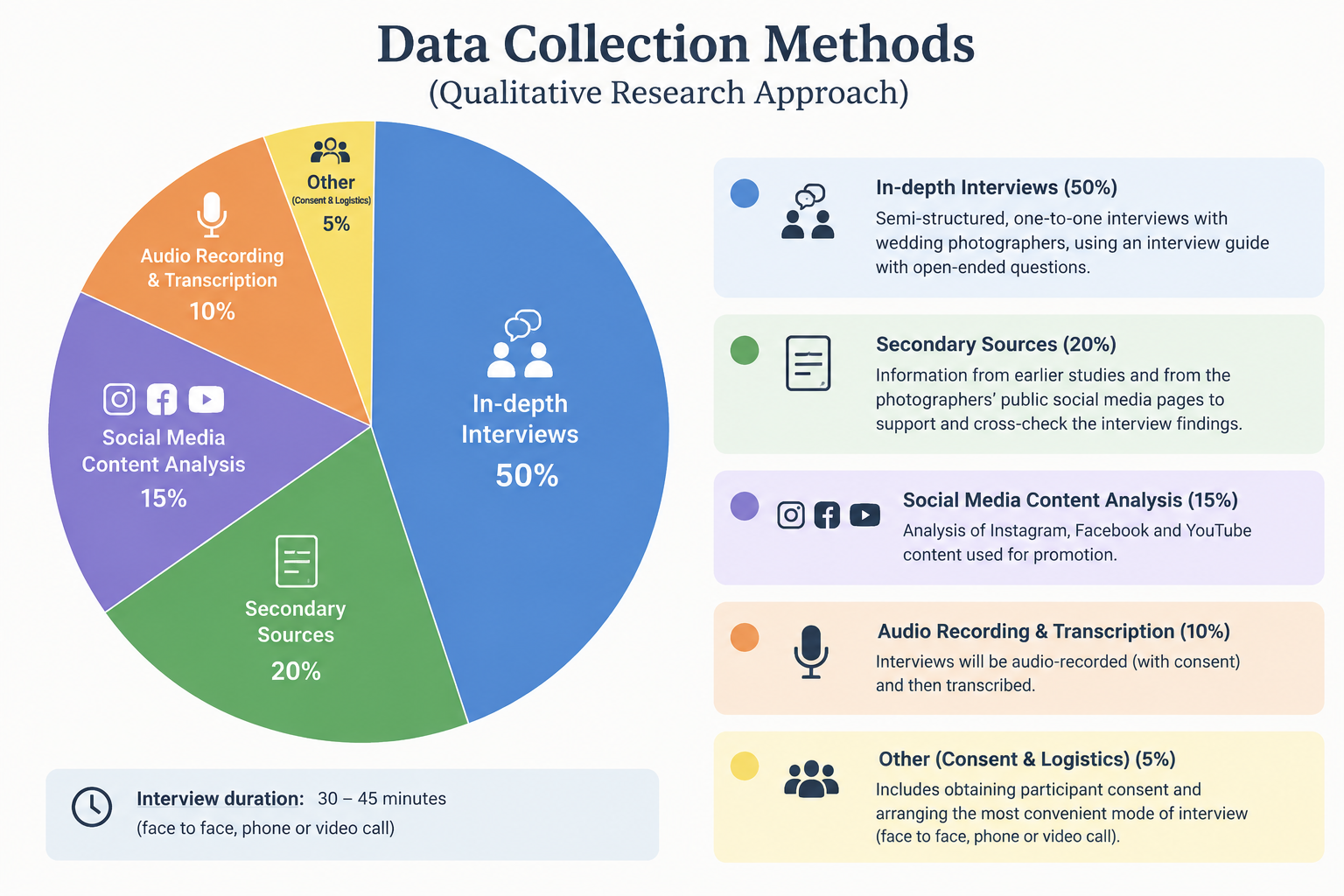
The qualitative approach allows detailed information to be collected directly from wedding photographers through interviews. Semi-structured, one-to-one interviews will be used, based on an interview guide with open-ended questions. This format keeps the discussion focused on the study’s themes while giving participants room to explain their own experiences and raise points the researcher did not anticipate. Interviews may be conducted face to face, by phone or through video call, depending on the participant’s convenience, and will last about 30 to 45 minutes. With the participant’s consent, interviews will be audio-recorded and then transcribed. Secondary information from earlier studies and from the photographers’ public social media pages may be used to support and cross-check the interview findings.
3.6Theoretical framework
This study is grounded in Brand Identity Theory, developed by Jean-Noël Kapferer (2008) and best known through his Brand Identity Prism. Kapferer argues that a brand is not only what consumers perceive but also what its owner intends to express, so identity is the source and image is the result received by the audience. This distinction suits the present study because wedding photographers are, in effect, personal brands, and their Instagram communication is the main channel through which they express who they are and how they want couples to see them. The prism describes brand identity through six interrelated facets. Physique refers to the tangible features of the brand, such as visual style, colour tones, editing, feed aesthetics, and the format of Reels and highlight films. Personality is the character of the brand, shown in the tone of captions, Stories, and replies to comments. Culture reflects the values and beliefs behind the work, such as authenticity, candid emotion, or tradition. Relationship concerns how the photographer interacts with the audience and builds trust before an inquiry is made. Reflection is the image of the ideal client that the brand projects through testimonials and featured couples, while self-image is how couples see themselves through the photographer’s work.
Kapferer also groups these facets into externalisation (physique, relationship, and reflection) and internalisation (personality, culture, and self-image), showing how a brand’s inner values become visible communication. Applying this framework allows the study to examine how photographers shape their Instagram communication to express a consistent identity, and how they believe this identity influences visibility, engagement, inquiries, and bookings. It also provides a structure for analysing the interview data, since emerging themes can be mapped to the six facets of the prism.
3.7Research design
This study adopts a qualitative research design, as it seeks to understand the experiences, perceptions, and meanings that wedding photographers attach to their Instagram communication rather than to measure its effect numerically. An exploratory approach is used because limited research exists on how wedding photographers communicate their brand identity on Instagram and how they relate this communication to business growth. Data will be collected through semi-structured, in-depth interviews, which allow participants to describe their strategies in their own words while giving the researcher the flexibility to probe further into topics such as portfolio presentation, Reels, testimonials, captions, audience interaction, sponsored posts, and the challenges of maintaining consistent content. An interview guide, framed around the six facets of Kapferer’s Brand Identity Prism (physique, personality, culture, relationship, reflection, and self-image), will ensure that the conversations stay aligned with the theoretical framework while remaining open to new insights. The interviews will be audio-recorded with the participants’ consent, transcribed verbatim, and analysed using thematic analysis, so that recurring patterns and themes can be identified and mapped to the framework. Ethical considerations, including informed consent, confidentiality, and the voluntary nature of participation, will be observed throughout the study.
The overall research design is summarised in Figure 1.
3.8Data analytical parameters
The study examines wedding photographers’ Instagram communication through six parameters: profile, biography, logo, visual consistency, unique photography style, and content frequency. These parameters reflect how a photographer’s brand identity is presented and sustained on the platform, and they relate mainly to the physique facet of Kapferer’s Brand Identity Prism, with some links to personality and relationship. The profile, including the username, profile picture, highlights, and overall layout, forms the first impression a couple receives. The biography communicates who the photographer is, what they offer, and how to make an inquiry, usually in a few words.
The logo acts as a visual signature that makes the brand recognisable and professional across posts, Stories, and Reels. Visual consistency refers to the cohesive use of colour tones, editing style, and feed aesthetics, which signals reliability and a coherent brand. Unique photography style concerns the distinctive way a photographer captures weddings, whether candid, cinematic, traditional, or editorial, and it helps them stand out in a crowded market. Content frequency covers how regularly photographers share Stories, Reels, and podcasts, since steady activity keeps the brand visible, builds audience engagement, and shows expertise beyond the images themselves. Podcasts are included because some photographers use audio-based content to share their experiences, wedding tips, and behind-the-scenes insights, which deepens trust and personality. In the interviews, participants will be asked how they approach each parameter and how they believe it affects visibility, inquiries, and bookings.
3.9Sample chosen
The sample for this study consists of five wedding photographers who actively use Instagram to promote their businesses. A purposive sampling technique was adopted, as the study requires participants who have direct, practical experience of communicating their brand through the platform and can describe their strategies in detail.
Participants were selected on the basis of the following criteria: they must be professionally engaged in wedding photography, hold an active business Instagram account, and share content regularly in the form of photographs, Stories, Reels, or podcasts. Photographers with at least two to three years of experience were preferred, since they are more likely to have developed a recognisable brand identity and to have observed the effect of their Instagram communication on inquiries and bookings. A small sample of five is appropriate for a qualitative study of this kind, because the aim is not statistical generalisation but an in-depth understanding of each participant’s experiences, perceptions, and strategies. Each photographer was interviewed in detail, which allowed rich and nuanced data to be gathered on the parameters under study, namely profile, biography, logo, visual consistency, unique photography style, and content frequency. Participants were approached through direct messages on Instagram and professional contacts, and all took part voluntarily after giving informed consent.
| S. No. | Parameter | Aspects to be analysed |
|---|---|---|
| 1 | Profile | Overall appearance and completeness of the Instagram business profile |
| 2 | Biography (Bio) | Description of services, contact details, location, and booking information |
| 3 | Logo | Visibility, design, and brand identity of the profile logo |
| 4 | Visual Consistency | Consistency in colours, editing style, themes, and overall visual presentation |
| 5 | Unique Photography Style | Distinctive photography techniques, composition, editing, and storytelling style |
| 6 | Content Frequency | Regularity of Instagram Stories, Posts, and Reels |
3.10Data analysis method
The interview recordings will be transcribed in full and read repeatedly to become familiar with the content. The data will then be analysed through thematic analysis, following the six phases described by Braun and Clarke (2006): familiarisation with the data, generating initial codes, searching for themes, reviewing themes, defining and naming themes, and writing up.
Codes will be assigned to meaningful segments of the transcripts, such as mentions of a particular platform, an advertising approach, a result or a difficulty. Related codes will be grouped into broader themes, for example Reels and visibility, testimonials and trust, paid promotion and enquiries, or content workload as a challenge. These themes will be organised around the research questions and interpreted using the AIDA model and Uses and Gratifications Theory. Comparisons will be made across participants to see where experiences agree and differ, for instance between small and large studios, and illustrative quotations will be used to support each theme. To improve credibility, participants may be asked to confirm that the summaries reflect their views, and the interview findings will be cross-checked with public social media content where possible.
3.11Limitations
The study relies on self-reported views, which may overstate or understate the real effect of advertising. The sample is small and purposively chosen, so the findings cannot be generalised to all wedding photographers. The study also covers only three platforms and one point in time. Future research could use a larger sample, include the views of couples who hired photographers, and combine interviews with quantitative data on bookings and advertising spend.
4Data analysis
The five studios examined are profiled in Table 2. Each account is then discussed in turn under the six parameters listed in Table 1.
| S. No. | Company name | Year established | Instagram followers | No. of posts | Instagram marketing skills and strategies |
|---|---|---|---|---|---|
| 1 | The Photo Today | 2010 | 124K | 2,975 | Portfolio marketing; visual storytelling; social proof |
| 2 | Click Factory Photography | 2014 | 119K | 1,720 | Founder-led brand storytelling; emotional wedding films; awards and credibility |
| 3 | Iswarya Photos | 2010 | 63.6K | 1,698 | Multiple content categories; occasion-based marketing; searchable hashtags |
| 4 | Yellow Frames Photography | 2015 | 17.9K | 1,052 | Wedding-specific positioning; portfolio-led promotion; discovery through Instagram |
| 5 | Manam Photography | 2021 | 19.4K | 208 | Behind-the-scenes content; local marketing; multiple service categories |
4.1The photo today
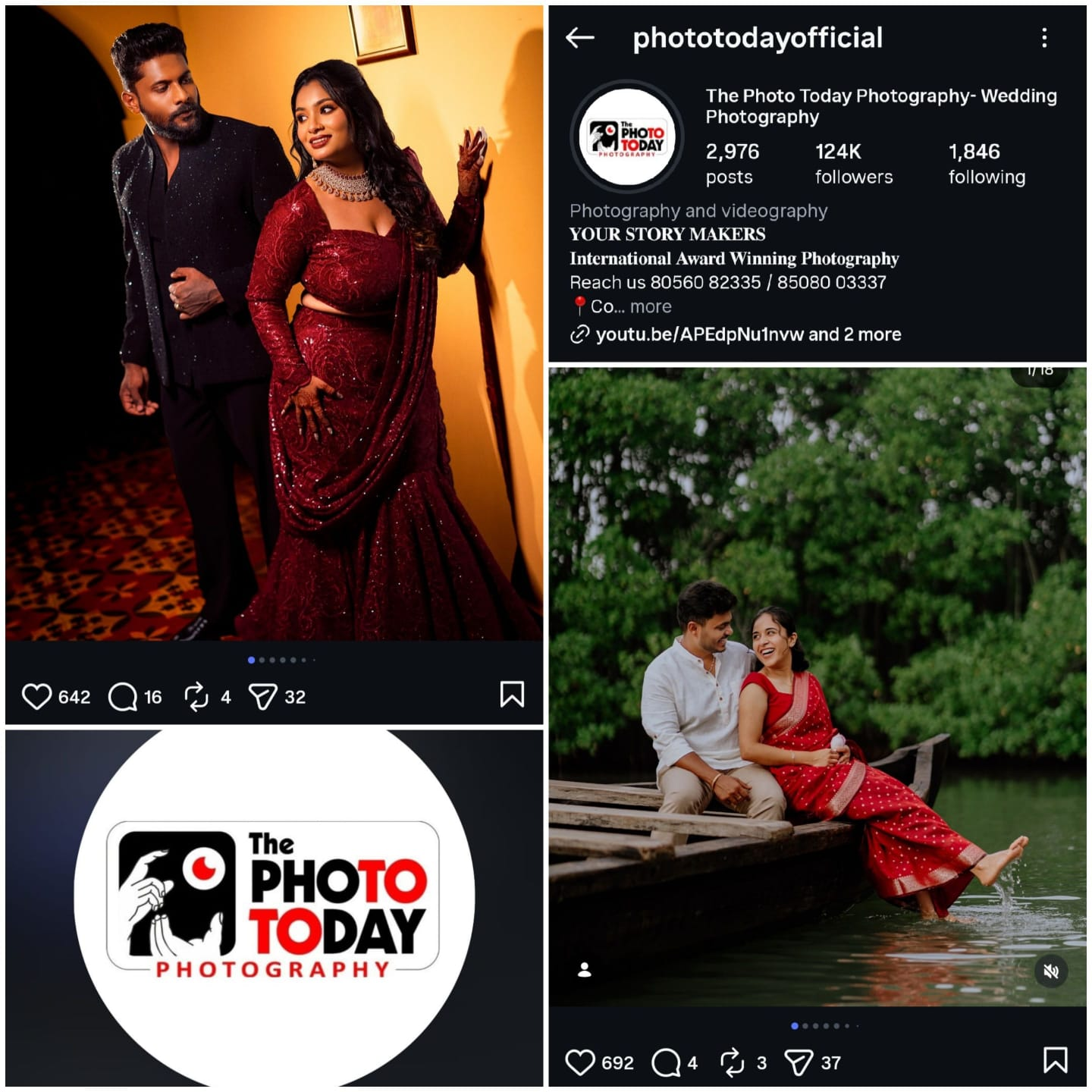
Figure 2 shows the Instagram profile of The Photo Today.
4.1.1Profile
The account is named “The Photo Today Photography- Wedding Photography,” so the business category and service are clear from the name alone. The profile shows 2,976 posts, 124K followers and 1,846 following, which is a very large following for a regional wedding photographer. The account is categorised as “Photography and videography,” so it markets both stills and films. It has Follow, Message and Contact buttons, which gives prospective couples several ways to enquire. The profile links to a YouTube video and two other links, and to a connected Threads account, so Instagram acts as a hub for other platforms. The Highlights (“Te(F)am,” “Blogs,” “Client’s Love,” “Milestones” and a weddings highlight) sort the content into team identity, storytelling, testimonials and achievements. The “Client’s Love” highlight in particular works as social proof, because couples can see feedback before they get in touch.
4.1.2Biography (Bio)
The bio is short and built for conversion. The tagline “Your Story Makers” frames the photographer as a storyteller rather than only a technical service provider, which fits the emotional nature of weddings. “International Award Winning Photography” is a credibility claim that sets the studio apart from competitors. Two phone numbers are given directly in the bio as a call to action, which shortens the path from browsing to booking. A location pin appears but is truncated in the screenshot, so the city cannot be confirmed from this image. The bio is mostly in a bold serif style, which gives it a formal, premium tone.
4.1.3Logo
The logo sits in a white circle that stands out against the dark profile theme. It combines a black camera-style icon, with hands and a red lens, and the wordmark “The PHOTO TODAY” in bold black type, with “TO” highlighted in red. “PHOTOGRAPHY” is written below in widely spaced red capitals. The palette of black, red and white is simple and high in contrast, so the logo stays readable at the small profile-picture size. The hands holding something delicate and the red lens suggest craft, care and focus. The red in the logo also echoes the red and maroon outfits in the sample images, which links the logo to the photography.
4.1.4Visual consistency
The grid has a clear visual identity. The photos use rich, saturated colour, with reds and maroons set against warm golden interiors or lush green outdoor settings. The images are in portrait orientation, which fills more of the feed and looks uniform on the profile. The Highlight covers share one minimal style, with black backgrounds and light lettering that match the dark interface. The grid also carries designed graphics, such as a text-overlay cover in an elegant script that appears to be a film or story title. Together these keep the feed polished, even though the posts come from different couples and locations. Most posts are carousels (multi-image icons), with a Reel icon on at least one, so the account mixes formats while keeping the same look.
4.1.5Unique photography style
The style combines candid emotion with cinematic styling. The sample images show couples laughing and interacting naturally rather than stiff, formal posing. One has a relaxed, playful moment on a wooden boat in green backwater surroundings, with a soft blurred background that isolates the couple. The other uses dramatic indoor lighting, with a warm golden wall, deep shadows and sparkling outfits, which gives a film-poster mood. Coordinated clothing, traditional South Indian attire in the outdoor shot and strong colour contrast are repeated across the work. Together these suggest a signature approach of storytelling through real expression, location and colour, which supports the “Story Makers” positioning.
4.1.6Content frequency
The profile has 2,976 posts at the time of observation (2,975 when the sample was first recorded), so the account is still posting. The studio was established in 2010, which means roughly 16 to 17 years of activity. That averages about 175 to 185 posts a year, or around three to four posts a week, though this is only a rough estimate from the total. The screenshots do not show posting dates, so the regularity of the schedule cannot be judged or whether posting is seasonal around the wedding season. A firm conclusion on frequency would require recording post dates over a fixed period, such as the last three months.
4.2Iswarya photos
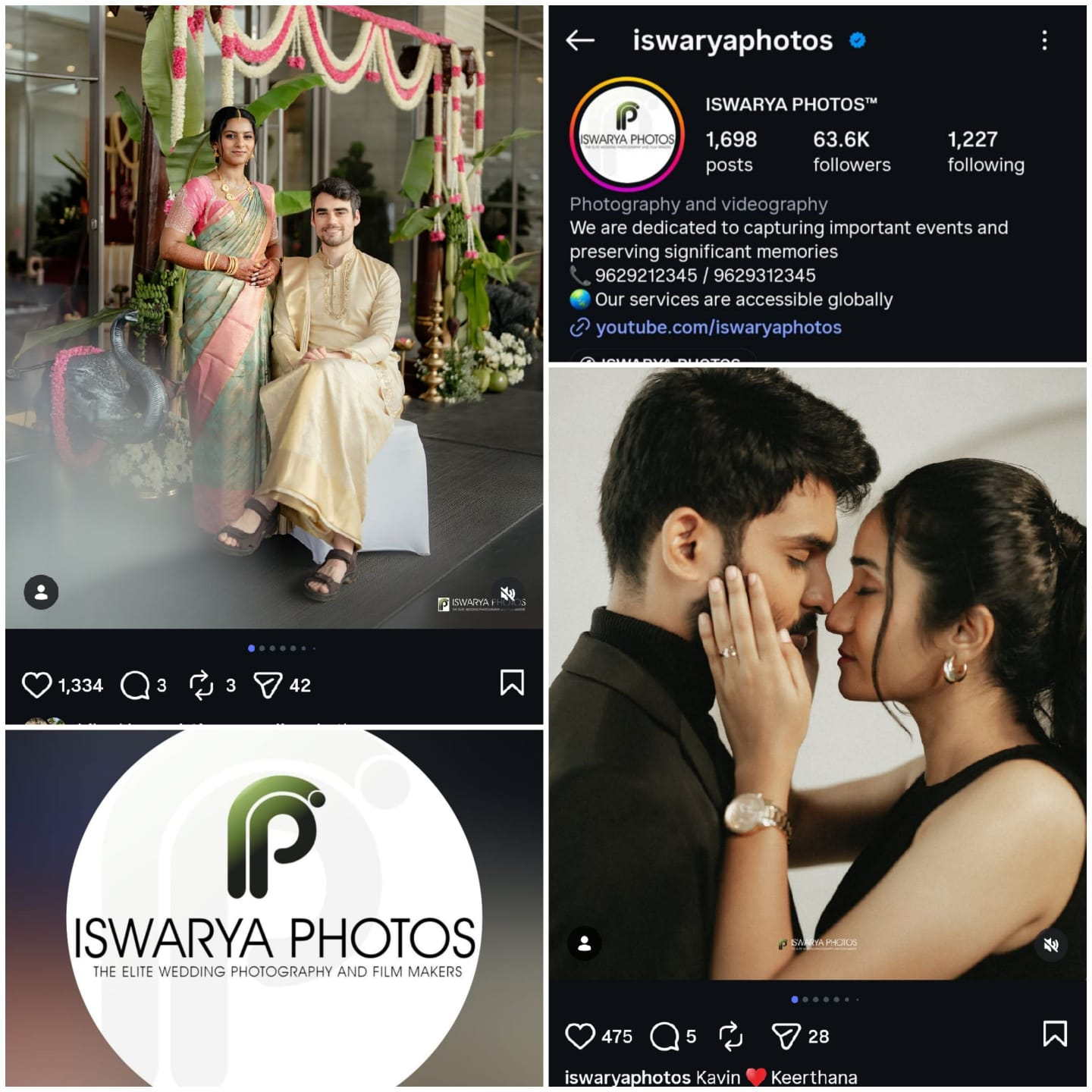
Figure 3 shows the Instagram profile of Iswarya Photos.
4.2.1Profile
The account is “ISWARYA PHOTOS™” (@iswaryaphotos) and it has a blue verified tick. It has 1,698 posts, 63.6K followers and 1,227 following, and it is categorised as “Photography and videography”. The profile links to a YouTube channel, so video is a main secondary platform. Highlights are not visible. The sample posts show 1,334 likes, 3 comments, 3 reposts and 42 shares on the first, and 475 likes, 5 comments and 28 shares on the second. Likes are strong, but comments are very low.
4.2.2Biography (Bio)
The bio says “We are dedicated to capturing important events and preserving significant memories.” This is generic and covers all events, not only weddings. Two phone numbers (9629212345 / 9629312345) are the call to action. “Our services are accessible globally” signals destination and international work, and the YouTube link gives a place to see films. There is no award claim, city or distinctive tagline, so the bio is functional rather than branded.
4.2.3Logo
The logo is a white circle ringed by Instagram’s gradient story ring. It has a green gradient monogram with an “I” and “P” combined, “ISWARYA PHOTOS” in black sans-serif capitals, and the tagline “THE ELITE WEDDING PHOTOGRAPHY AND FILM MAKERS”. The monogram is clean and modern. The tagline is too small to read at profile size, but it positions the studio as premium and covers both stills and films.
4.2.4Visual consistency
Both sample posts carry a small semi-transparent watermark at the bottom right, which protects the images and reinforces the brand. Both are portrait and multi-image carousels. The colour grading differs: the first is bright and saturated, the second is muted, warm and soft. That variety suggests grading adapts to each couple. The grid itself is not visible, so overall cohesion cannot be judged.
4.2.5Unique photography style
The work is traditional and editorial. The first image is a composed portrait of a bride in a pink and green silk saree and a groom in a cream kurta and veshti. They sit in front of a banana-leaf and jasmine garland mandap with an elephant statue. It is cultural, precisely framed and decor-rich, and it suggests cross-cultural weddings. The second is an intimate engagement close-up, with foreheads touching and the ring visible, in black outfits against a neutral studio wall. Together they show range between traditional ceremony portraits and modern emotional couple portraits.
4.2.6Content frequency
There are 1,698 posts, but no start year or post dates are visible. An average or the regularity of posting cannot be calculated from these screenshots. Caption style (such as “Kavin & Keerthana”) suggests couple-name posts for each shoot.
4.3Yellow frames photography
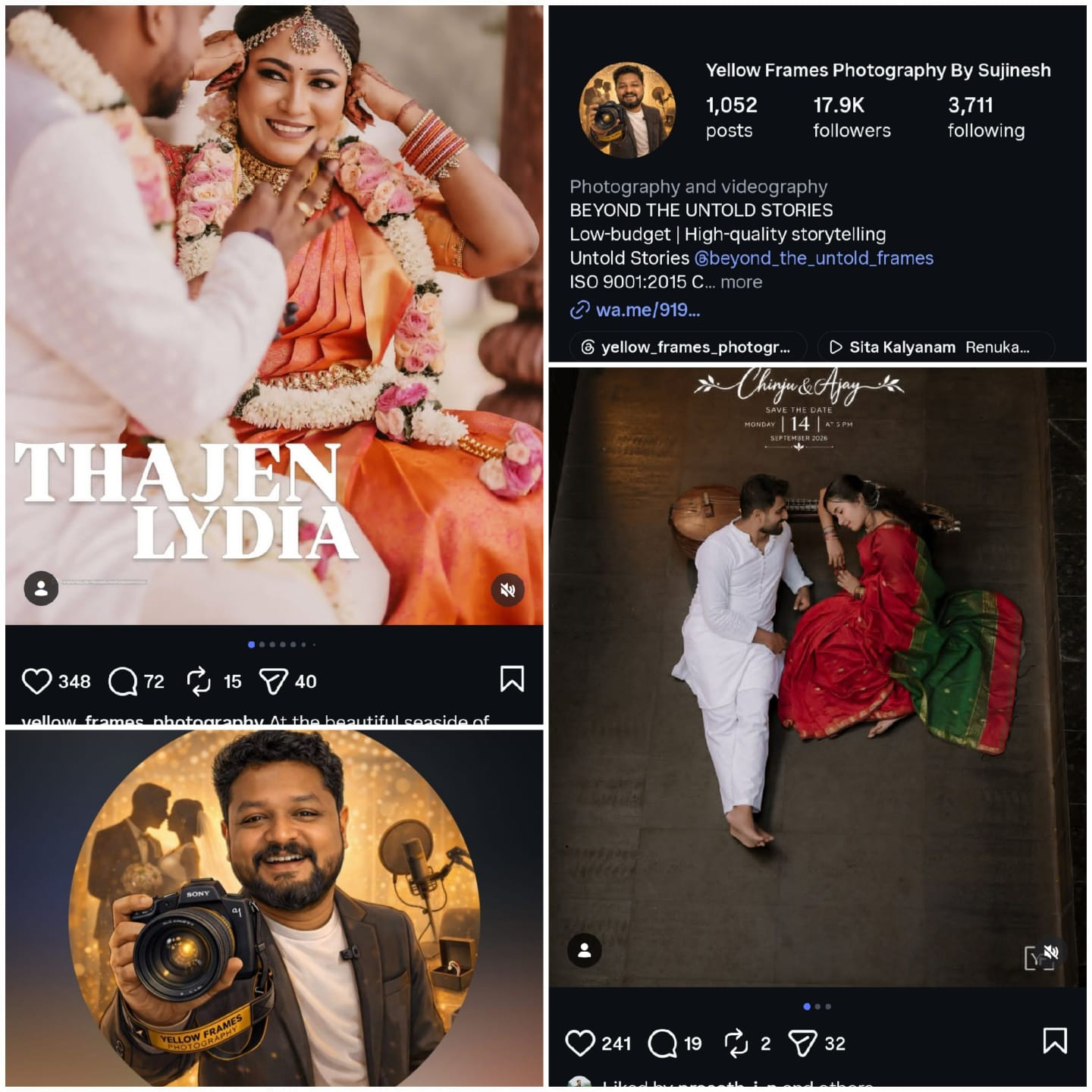
Figure 4 shows the Instagram profile of Yellow Frames Photography.
4.3.1Profile
The account is “Yellow Frames Photography By Sujinesh”, categorised as “Photography and videography”. It has 1,052 posts, 17.9K followers and 3,711 following. The following count is high compared with followers, which suggests a follow-for-reach or networking strategy. It has a WhatsApp link (wa.me/919…), a linked Threads account, a secondary account (@beyond_the_untold_frames) and a music chip (Sita Kalyanam). The sample engagement is 348 likes, 72 comments, 15 reposts and 40 shares on the first, and 241 likes, 19 comments, 2 reposts and 32 shares on the second. The 72 comments are the highest of the four accounts, so interaction is high.
4.3.2Biography (Bio)
The bio says “BEYOND THE UNTOLD STORIES”, then “Low-budget | High-quality storytelling”. This is the only bio that mentions affordability, a price-led positioning that sets it apart from the luxury-positioned competitors. It mentions “ISO 9001:2015 C…” (truncated, probably a quality-certification claim, which could not be confirmed). A WhatsApp link makes enquiring fast. There is no location or phone number visible.
4.3.3Logo
There is no conventional logo. The profile picture is a personal portrait of the photographer smiling and holding a Sony camera, with a “YELLOW FRAMES PHOTOGRAPHY” strap. The background is golden bokeh with a silhouetted couple kissing, a microphone and a ring box. This is personality-led branding, which builds trust and approachability. The composite is busy and looks digitally stylised, and with no wordmark, brand recognition depends on the face.
4.3.4Visual consistency
The warm yellow and gold tones in the profile image echo the brand name. The posts use designed overlays: a large white serif name title (“THAJEN LYDIA”) on one, and a script-style save-the-date graphic (“Chinju & Ajay”) on the other. Both are portrait carousels. The graphic-led approach is consistent, but the images vary in colour: bright orange and pink in one, dark and moody in the other. Consistency comes from the text design more than from the grading.
4.3.5Unique photography style
The style is expressive and concept-driven. The first image is a close, joyful bride portrait in an orange saree with flower garlands, mid-laugh, with the groom in the foreground, at what the caption calls a seaside wedding. The second is a creative overhead shot of the couple lying on a dark floor next to a traditional string instrument, in a white kurta and a red and green saree. It is styled and artistic, designed as a save-the-date, and it mixes candid emotion with conceptual composition.
4.3.6Content frequency
There are 1,052 posts and no start date or post dates visible, so a rate cannot be calculated. The save-the-date graphic and wedding title posts suggest campaign-style content around client events, but the posting rhythm cannot be confirmed.
4.4Click factory photography
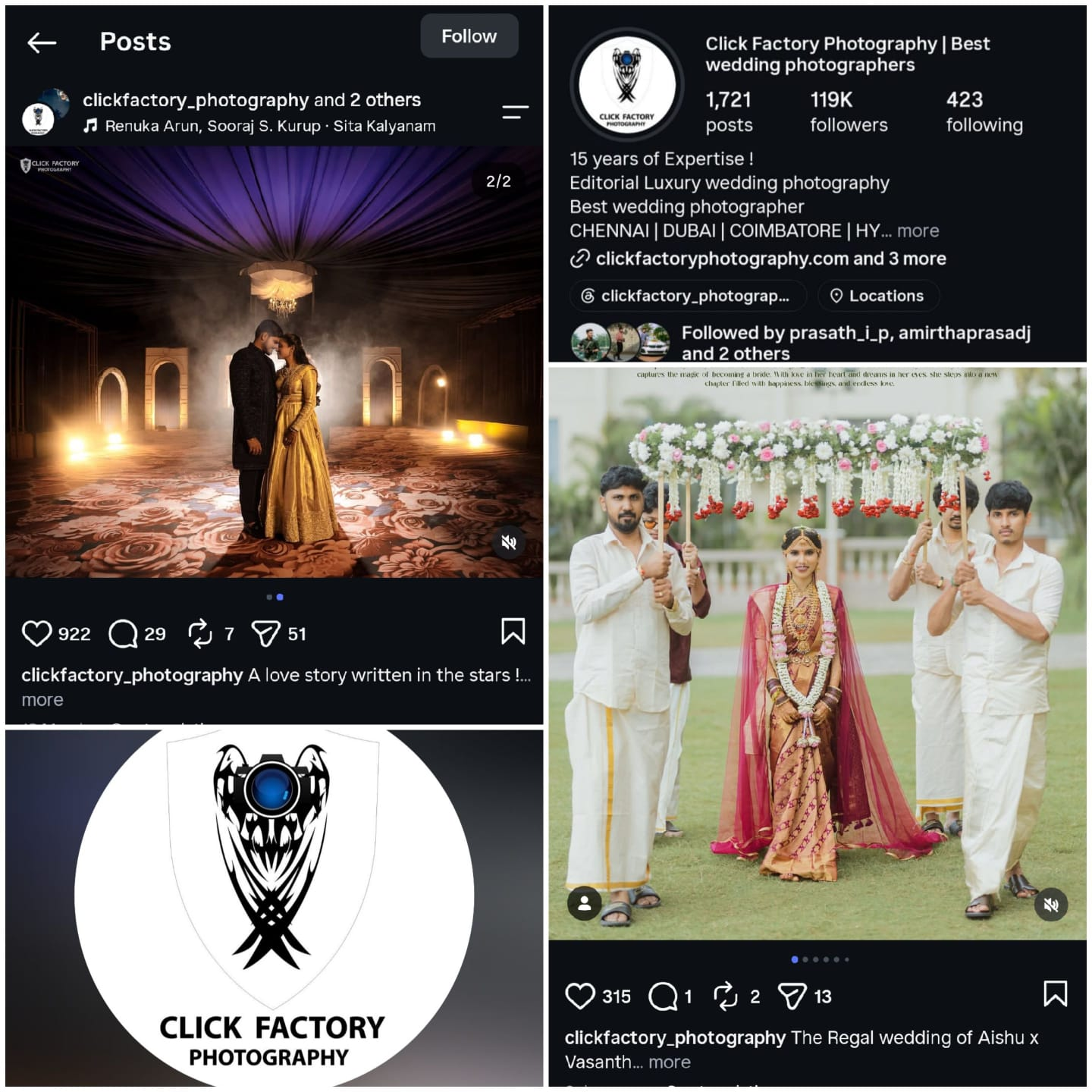
Figure 5 shows the Instagram profile of Click Factory Photography.
4.4.1Profile
The display name is “Click Factory Photography | Best wedding photographers”, with 1,721 posts, 119K followers and 423 following. The very low following count against a large audience signals authority. The profile has a website (clickfactoryphotography.com plus 3 more links), a linked Threads account and a “Locations” button. It shows mutual-follower social proof (“Followed by prasath_i_p, amirthaprasadj and 2 others”). The sample posts show 922 likes, 29 comments, 7 reposts and 51 shares on one, and 315 likes, 1 comment, 2 reposts and 13 shares on the other.
4.4.2Biography (Bio)
The bio opens with “15 years of Expertise!”, a clear experience claim. “Editorial Luxury wedding photography” sets a premium niche, and “Best wedding photographer” is a direct superlative. A multi-city line (CHENNAI | DUBAI | COIMBATORE | HY… more) shows a wide service area, and the website link gives a direct enquiry route. There is no phone number visible in the truncated section.
4.4.3Logo
The logo is a white circle with a black winged, tribal-style emblem inside a faint shield. A blue camera lens sits at the centre, and “CLICK FACTORY PHOTOGRAPHY” is in bold black sans-serif below. The black, white and blue palette is high in contrast. The winged shape suggests power and flight, but it is more ornate than the clean wedding-industry norm and reads less romantic. The wordmark stays legible at small size.
4.4.4Visual consistency
The posts use a cinematic, dramatic grade with strong lighting and rich colour. The first post has a small brand watermark at the top left. The second has a designed text overlay at the top, which looks like an editorial or storybook caption. Collaboration tagging is used (“clickfactory_photography and 2 others”) with licensed music, which fits the Reels and carousel mix. Captions follow a title pattern (“A love story written in the stars!”, “The Regal wedding of Aishu x Vasanth”), which keeps the voice consistent.
4.4.5Unique photography style
The style is staged and cinematic. The first image shows a couple in a dark purple draped venue with smoke, glowing lights, arched props and a rose-pattern floor, so it looks like a film still. The second is a regal traditional shot of a bride in a maroon and gold saree walking under a floral canopy held by four men in white veshtis. It is choreographed storytelling, built on production design, drama and ceremony rather than candid moments. This fits the “Editorial Luxury” positioning.
4.4.6Content frequency
There are 1,721 posts over the claimed 15 years, which is about 115 a year, or roughly two posts a week. That is an estimate from the bio claim, and no post dates are visible, so consistency or seasonality cannot be judged.
4.5Manam photography
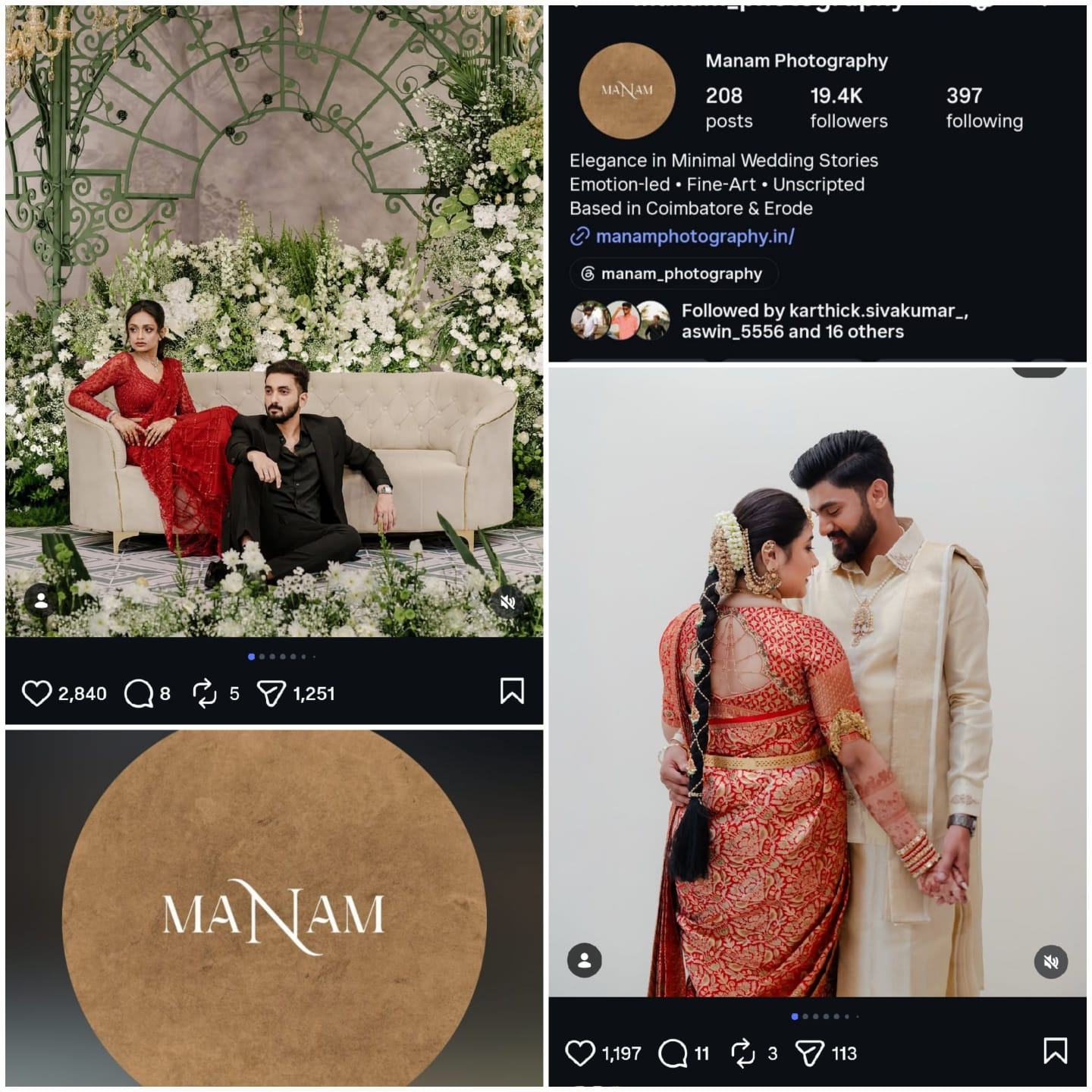
Figure 6 shows the Instagram profile of Manam Photography.
4.5.1Profile
The account is “Manam Photography” with only 208 posts but 19.4K followers and 397 following. The post count is very low against the audience, which suggests a curated feed. It has a website (manamphotography.in), a linked Threads account (manam_photography) and a mutual-follower line (“Followed by karthick.sivakumar_, aswin_5556 and 16 others”). The category label is cut off. The sample engagement is exceptional: 2,840 likes, 8 comments, 5 reposts and 1,251 shares on the first, and 1,197 likes, 11 comments, 3 reposts and 113 shares on the second. A share count of 1,251 is extremely high, which suggests the content is being passed around.
4.5.2Biography (Bio)
The bio is clean and positioning-driven: “Elegance in Minimal Wedding Stories”, then “Emotion-led • Fine-Art • Unscripted”. “Based in Coimbatore & Erode” states the location clearly. There is no phone number, award claim or experience claim, so the focus is on style and a website link for enquiries. It is the most brand-focused of the four bios.
4.5.3Logo
The logo is a textured tan or gold circle with “MANAM” in white serif capitals. The “N” has an elongated swash stroke that is the only decorative element. It is minimal, elegant and premium, with a muted palette that matches the “minimal” positioning. It is less bold than the others but more refined and legible at small size.
4.5.4Visual consistency
The visuals are restrained and cohesive. The first post uses a soft cream, white and green palette with a red outfit as an accent. The second uses a plain pale wall with red and gold silk. Both use clean backgrounds, controlled colour and uncluttered compositions. The consistent palette and portrait format suggest a disciplined, curated grid, which fits the low post count. No watermark is visible.
4.5.5Unique photography style
The style is fine-art and minimal, matching the bio. The first image is a posed editorial scene: a bride in a red sequined saree and a groom in black on a cream sofa, in front of an iron arch and white florals. It has a fashion-shoot feel with serious expressions. The second is a tender, unposed-looking traditional portrait of a couple in red-gold silk and cream attire, holding hands against a plain wall. It combines modern styling with traditional attire, calm tones and emotion.
4.5.6Content frequency
There are 208 posts and no start year or dates are visible, so a rate cannot be calculated. The low total suggests selective posting of the best work rather than high volume, but that is an inference, not a confirmed schedule.
5Conclusion
This study examined five wedding photography studios through the six parameters of profile, biography, logo, visual consistency, unique photography style and content frequency. It found that Instagram works for these studios as a portfolio and as a statement of brand identity. Each studio expresses a different identity, so the platform is used to differentiate rather than to imitate. The Photo Today builds on candid emotion with cinematic styling and visible social proof through its “Client’s Love” highlight. Click Factory positions itself as editorial luxury through staged, film-like imagery, a multi-city presence and a stated 15 years of experience. Iswarya Photos combines traditional ceremony portraiture with a global service claim and a verified account. Yellow Frames competes on affordability and the photographer’s own personality. Manam relies on minimalism, a restrained palette and a curated feed. These positions fit the physique facet of Kapferer’s prism: the visible features of a brand, such as style, colour, logo and layout, carry the identity that couples respond to.
The findings also show that scale and engagement are not the same thing. Click Factory and The Photo Today have the largest audiences (119K and 124K followers), but Manam, with 19.4K followers and only 208 posts, recorded the highest sampled likes and shares, which suggests that a focused style can travel further than a large archive. Yellow Frames drew the most comments, which suggests that a personal, conversational brand invites interaction. The bios follow the same pattern. Studios with a specific promise, such as “Editorial Luxury”, “Emotion-led • Fine-Art • Unscripted” or “Low-budget | High-quality storytelling”, communicate more clearly than the generic wording used by Iswarya Photos. Every studio also gave couples a direct route to enquire, whether by phone numbers, a website or a WhatsApp link, which shows that conversion is built into the profile itself.
On content frequency, the year of establishment gives rough yearly averages: about 186 posts a year for The Photo Today (2010), 143 for Click Factory (2014), 106 for Iswarya Photos (2010), 96 for Yellow Frames (2015) and 42 for Manam (2021). The highest posting rate did not match the highest sampled engagement, which supports the view that selectivity and consistency of style matter more than volume. The study is limited by its small, purposive sample and by the use of only two sample posts per account, so these findings describe the five studios rather than all wedding photographers. Engagement figures are a snapshot at one point in time, and no posting dates were available. Even so, the study shows that a distinctive, consistent identity, expressed through the profile, bio, logo and photographs, is central to how wedding photographers earn attention and trust on Instagram.
5.1Future recommendations
Based on the findings, wedding photographers should begin by choosing one clear position and repeating it across the whole profile, since the studios that state a specific promise in the bio and then deliver it consistently in the grid communicate more clearly than those using generic wording. The bio itself should work as a booking tool, giving the location, a defined style or promise and at least one direct enquiry route such as a phone number, WhatsApp link or website, with claims like “award winning” or “15 years of expertise” stated plainly so they add credibility. Social proof should be visible before a couple ever makes contact, through highlights for client feedback, milestones and behind-the-scenes content. A recognisable visual signature, including a consistent colour grade, a watermark or designed text overlays and a logo that stays legible at profile-picture size, helps a studio stand out in a crowded feed. Because the smallest feed in this study achieved the highest sampled engagement, photographers with limited time can post selectively and prioritise their strongest work over volume. Captions that invite replies, personal storytelling and prompt responses to comments are also worth cultivating, since comments and shares signal real interest more strongly than likes. Finally, photographers should track enquiries, bookings and the source of each lead, so they can see which content leads to bookings rather than relying on likes alone.
References
- [1]Abidin C (2016). Visibility labour: Engaging with influencers’ fashion brands and #OOTD advertorial campaigns on Instagram. Media International Australia, 161(1), 86–100. https://doi.org/10.1177/1329878X16665177
- [2]Alfazeena A, Visanth S (2025). Desire, identity, and rhizomatic analysis of social media’s role in shaping wedding photography trends. South India Journal of Social Sciences, 23(2), 103–108. https://journal.sijss.com/index.php/home/article/view/1897
- [3]Braun V, Clarke V (2006). Using thematic analysis in psychology. Qualitative Research in Psychology, 3(2), 77–101. https://doi.org/10.1191/1478088706qp063oa
- [4]Casaló LV, Flavián C, Ibáñez-Sánchez S (2020). Influencers on Instagram: Antecedents and consequences of opinion leadership. Journal of Business Research, 117, 510–519. https://doi.org/10.1016/j.jbusres.2018.07.005
- [5]Duffy BE (2017). (Not) getting paid to do what you love: Gender, social media, and aspirational work. New Haven (CT): Yale University Press.
- [6]Hu Y, Manikonda L, Kambhampati S (2014). What we Instagram: A first analysis of Instagram photo content and user types. Proceedings of the International AAAI Conference on Web and Social Media, 8(1), 595–598. https://doi.org/10.1609/icwsm.v8i1.14578
- [7]Hund E, McGuigan L (2019). A shoppable life: Performance, selfhood, and influence in the social media storefront. Communication, Culture & Critique, 12(1), 18–35. https://doi.org/10.1093/ccc/tcz004
- [8]Kapferer JN (2008). The new strategic brand management: Creating and sustaining brand equity long term (4th ed.). London: Kogan Page.
- [9]Marwick AE (2015). Instafame: Luxury selfies in the attention economy. Public Culture, 27(1), 137–160. https://doi.org/10.1215/08992363-2798379