Chemical/Petrochemical Engineering
Comparative Corrosion Inhibition Performance of Male, Female and Hermaphrodite Carica papaya Leaf Extracts on Mild Steel in Chloride and Sulphate Acidic Media
Department of Chemical/Petrochemical Engineering, Rivers State University, Port Harcourt, Nigeria
Published November 2026
Abstract
This study compared leaf extracts from male, female and hermaphrodite Carica papaya plants as green corrosion inhibitors for mild steel exposed to two acidic media containing 20% marine crude oil: 1.0 M hydrochloric acid (HCl) and 0.5 M tetraoxosulphate(VI) acid (H₂SO₄). The study addresses whether the sex type of the source plant and the identity of the aggressive anion affect inhibition performance. Leaf extracts were prepared using an ethanol–water solvent system and assessed using gravimetric weight-loss measurements, potentiodynamic polarisation and electrochemical impedance spectroscopy. Tests covered inhibitor concentrations, temperatures and immersion times, with surface characterisation used to examine the protective effect. In 1.0 M HCl at 303 K after 24 h, the female extract achieved 85.5% inhibition efficiency, compared with 80.4% for the male extract and 74.7% for the hermaphrodite extract. In 0.5 M H₂SO₄ under the corresponding condition, the reported efficiencies were 79.5%, 74.4% and 68.7%, respectively. Inhibition efficiency increased with concentration and decreased as temperature and exposure time increased; no optimum concentration was established within the tested range. The chloride medium produced higher inhibition efficiencies than the sulphate medium, and the performance penalty associated with sulphate increased with temperature. The results identify female-plant leaf extract as the best-performing of the three materials under the tested conditions and demonstrate that inhibitor performance cannot be transferred uncritically between acid media.
Keywords: Carica papaya; pawpaw leaf extract; mild steel; corrosion inhibition; hydrochloric acid; sulphuric acid; sex type; marine crude oil
1Introduction
Corrosion of mild steel is a persistent integrity and maintenance challenge in oil and gas operations. Acidic fluids and marine crude oil can expose steel to aggressive ionic environments, while chloride-containing systems are particularly associated with destabilisation of surface films and localised corrosion. Corrosion damage can lead to equipment replacement, unplanned shutdowns, leakage and environmental harm. Inhibitors are therefore used to reduce metal dissolution and extend the service life of steel components. The use of plant-based inhibitors for ferrous metals in acidic media has been reviewed across a range of experimental systems (Al-Amiery et al., 2024; Oguzie et al., 2008).
Conventional corrosion inhibitors can be effective, but environmental and handling concerns have encouraged interest in plant-derived alternatives. Carica papaya leaves contain phytochemical groups such as phenolics, flavonoids, alkaloids and tannins that can interact with metal surfaces and form an adsorbed barrier. However, the composition of plant extracts may vary with source material, and performance established for one extract cannot be assumed for another. Recent reviews discuss the promise and limitations of plant-derived inhibitors and the need to evaluate them in defined corrosive environments (Ahmed and Al-Amiery, 2024; Chauhan et al., 2021; Umoren et al., 2019; Verma et al., 2018; Zakeri et al., 2022).
A further issue is the chemistry of the corrosive medium. This study compares 1.0 M HCl and 0.5 M H₂SO₄, each containing 20% marine crude oil. The media were selected to provide approximately matched nominal ionisable proton concentrations while differing in the principal aggressive anion. The study also distinguishes extracts from male, female and hermaphrodite plants, testing whether sex type is associated with a reproducible difference in inhibition performance.
Previous research establishes that plant-derived materials can inhibit corrosion by adsorbing onto metal surfaces, while the measured performance depends on plant chemistry, extraction procedure, metal condition and corrosive medium. The following studies provide the basis for the present investigation:
Abdallah et al. (2018) evaluated a cationic gemini surfactant as an adsorbing corrosion inhibitor for carbon steel in hydrochloric acid, providing a comparison point for adsorption-based protection in acidic media. Abdel-Halim et al. (2021) examined how extraction method affects the polyphenol and flavonoid composition of papaya leaves, showing why extraction conditions should be considered when interpreting plant-extract performance. Ahmed and Al-Amiery (2024) reviewed conventional and eco-friendly corrosion inhibitors, summarising recent directions in inhibitor chemistry and evaluation. Al-Jahdaly et al. (2022) reviewed green-chemistry approaches to corrosion inhibition and discussed sustainability as a consideration in inhibitor selection.
Al-Amiery et al. (2024) reviewed green corrosion inhibitors relevant to oil-and-gas applications, connecting inhibitor development with industrial corrosion-control needs. Alaneme et al. (2016) investigated elephant-grass extract for mild-steel corrosion inhibition in 1 M HCl, providing a plant-extract comparison in an acidic environment. Alara et al. (2021) optimised microwave-assisted extraction of phenolic compounds from Carica papaya leaves and used LC-QTOF-MS analysis to characterise extracted compounds. Badawi and Fahim (2021) critically reviewed plant-extract corrosion inhibitors, including their development and prospects for practical use.
Chauhan et al. (2021) reviewed plant-based green inhibitors for metals in corrosive media, bringing together evidence on their use and proposed inhibition mechanisms. Chidiebere et al. (2016) studied Delonix regia leaf extract for inhibiting acid corrosion of mild steel, adding evidence from a different botanical source. Dehghani et al. (2019) assessed aqueous borage-flower extract as an environmentally sustainable inhibitor for mild steel in acid, examining the corrosion-protection potential of plant-derived compounds. Eddy and Ifeanyichukwu (2024) investigated Carica papaya leaf extract as a bio-based inhibitor for mild steel in acidic media, directly supporting the relevance of papaya-derived materials to corrosion control.
El-Zekred et al. (2021) examined Ficus carica extract for protecting L-80 carbon steel in 0.5 M sulphuric acid, providing a comparison for plant-extract performance in sulphate-containing acid. Himeur et al. (2026) reviewed plant extracts and essential oils as green inhibitors for steel in acidic media, summarising the developing evidence base for natural inhibitor systems. Iheaturu et al. (2024) evaluated Carica papaya leaf extract on cold-rolled mild steel in 0.1 M HCl using weight-loss measurements, FTIR and AFM; they reported concentration-dependent inhibition and also examined microbial growth that could reduce long-term extract performance. Nwigwe et al. (2019) used a weight-loss method to assess Carica papaya leaf extract on cold-worked and annealed mild steel in HCl and NaOH, considering how steel condition and corrosive medium relate to inhibition.
Nwigwe et al. (2020) investigated Carica papaya leaf extract as a biocorrosion inhibitor for mild steel in a marine environment, extending the discussion beyond laboratory acid solutions. Okafor and Ebenso (2007) tested extracts from different parts of Carica papaya on mild steel in sulphuric acid using gravimetric and gasometric techniques; they reported that leaf extract performed best among the plant parts, inhibition efficiency rose with concentration and fell with temperature, and adsorption data fitted Langmuir and Temkin models. Oguzie et al. (2008) compared several plant extracts for mild-steel corrosion in HCl and H₂SO₄, using gasometric measurements and examining concentration, temperature and adsorption-related effects. Quraishi et al. (2010) evaluated Murraya koenigii leaf extract in hydrochloric and sulphuric acid solutions, providing a plant-based comparison across two acid media.
Umoren and Eduok (2016) reviewed carbohydrate polymers as corrosion inhibitors for metals in different media, discussing the protective potential of renewable, functional-group-rich materials. Umoren et al. (2019) critically reviewed plant biomaterials used as corrosion inhibitors for industrial metals, highlighting the wider evidence base and considerations for practical implementation. Verma et al. (2018) reviewed plant extracts as environmentally sustainable inhibitors for metals and alloys exposed to aggressive media, summarising reported approaches and mechanisms. Zakeri et al. (2022) reviewed plant extracts for protecting ferrous metals in corrosive environments and discussed experimental methods, including weight-loss and electrochemical techniques, used to evaluate inhibition.
Although these studies establish the potential of plant extracts and include prior investigations of Carica papaya, the literature identified here does not directly compare extracts from male, female and hermaphrodite plants under the same experimental conditions across both hydrochloric and sulphuric acid media containing marine crude oil. The present study addresses this specific comparison. In addition, the companion electrochemical and environmental assessment integrates adsorption, electrochemical response, surface observations and biodegradability/toxicity evidence, while recognising that environmental conclusions are limited to the tests reported in the thesis.
2Materials and methods
2.1Materials and preparation of corrosive media
Commercial low-carbon mild steel was used to prepare coupons. The steel composition was determined by optical emission spectroscopy. Before testing, coupons were abraded with silicon-carbide papers, degreased with acetone, rinsed with distilled water and ethanol, dried, weighed, and stored in a desiccator.
The corrosive media consisted of 1.0 M hydrochloric acid (HCl) and 0.5 M tetraoxosulphate(VI) acid (H₂SO₄). Marine crude oil was added to both media at the same proportion to represent the test environment. The solutions were prepared using analytical-grade reagents, standardised by titration, and used to assess corrosion under comparable experimental conditions.
2.2Preparation of Carica papaya leaf extracts
Healthy, mature leaves from male, female and hermaphrodite Carica papaya plants were collected from Basawa, Zaria, Nigeria, and authenticated by a botanist. The leaves were washed, shade-dried for 14 days, milled, sieved to 250 µm and stored at 4 °C.
For each plant type, 200 g of leaf powder was extracted using 300 mL of ethanol–water (70:30, v/v) in a Soxhlet apparatus at 70 °C for 8 h. The extracts were filtered, concentrated using a rotary evaporator at 45 °C, dried in a vacuum oven at 40 °C for 12 h, and stored in airtight containers at 4 °C. Fresh working solutions were prepared at the selected inhibitor concentrations.
2.3Quantitative phytochemical analysis
Total flavonoid content was determined using the aluminium chloride colorimetric method and expressed as mg quercetin equivalents per gram of extract (mg QE/g). Tannin content was measured using the Folin–Denis method and expressed as mg tannic acid equivalents per gram (mg TAE/g). Total phenolic content was determined using the Folin–Ciocalteu method and expressed as mg gallic acid equivalents per gram (mg GAE/g). All measurements were performed in triplicate using a UV–visible spectrophotometer.
2.4Gravimetric corrosion testing
Pre-weighed mild-steel coupons were immersed in the crude-oil-containing acidic media with and without the plant extracts. The experimental variables included acid type, plant variety, inhibitor concentration, temperature and immersion duration. Uninhibited specimens served as controls, and each test condition was performed in triplicate.
Following exposure, the coupons were retrieved, cleaned to remove corrosion products, rinsed, dried and reweighed. Mass loss was calculated from the difference between the initial and final masses. Corrosion rate, inhibition efficiency and surface coverage were subsequently determined using the equations specified in the study protocol. Each inhibited corrosion rate was compared with the uninhibited control from the same acid medium. Results should be reported as mean ± standard deviation.
3Results and discussion
3.1Quantitative phytochemical analysis
| Phytochemical class (unit) | Male | Female | Hermaphrodite | Rank order |
|---|---|---|---|---|
| Total phenolics (mg GAE/g) | 171.2 ± 2.8 | 186.4 ± 3.2 | 154.6 ± 3.5 | F > M > H |
| Total flavonoids (mg QE/g) | 128.5 ± 2.4 | 142.8 ± 2.6 | 113.7 ± 2.9 | F > M > H |
| Total tannins (mg TAE/g) | 86.3 ± 2.1 | 51.7 ± 1.6 | 64.2 ± 1.9 | M > H > F |
| Total alkaloids (mg AE/g) | 25.4 ± 0.7 | 28.6 ± 0.8 | 21.8 ± 0.9 | F > M > H |
| Total saponins (mg DE/g) | 42.7 ± 1.4 | 24.8 ± 1.1 | 29.5 ± 1.2 | M > H > F |
| Total terpenoids (mg LE/g) | 18.9 ± 0.9 | 9.6 ± 0.5 | 11.4 ± 0.6 | M > H > F |
| Cardiac glycosides (mg DGE/g) | < 0.5 (ND) | < 0.5 (ND) | < 0.5 (ND) | Not detected |
| Total quantified load (mg/g) | 473.0 | 443.9 | 395.2 | M > F > H |
| Adsorbate-active load, TPC+TFC+TAC | 325.1 | 357.8 | 290.1 | F > M > H |
| Extraction yield (% w/w of dry leaf) | 12.1 | 13.4 | 11.6 | F > M > H |
GAE = gallic acid equivalent; QE = quercetin equivalent; TAE = tannic acid equivalent; AE = atropine equivalent; DE = diosgenin equivalent; LE = linalool equivalent; DGE = digoxin equivalent; ND = not detected (below the limit of quantification of 0.5 mg/g). Bold entries denote the highest value in each row.
Table 1 shows the results of the quantitative phytochemicals. Phenols, flavonoids and alkaloids returned identical scores in all three varieties, yet Table 1 places the Female extract ahead on every one of them: 186.4 mg GAE/g of total phenolics where the Male gives 171.2 and the Hermaphrodite 154.6, a flavonoid content of 142.8 mg QE/g against 128.5 and 113.7, and 28.6 mg AE/g of alkaloids against 25.4 and 21.8. The gaps run from roughly 9 % to 31 %. None of them is plausibly analytical scatter, since each is several times the standard deviation of the assay that produced it. Where the screening did discriminate, it pointed the other way. Tannins in the Male extract reach 86.3 mg TAE/g, two-thirds more than the Female's 51.7; saponins run 42.7 mg DE/g against 24.8; terpenoids 18.9 mg LE/g against 9.6, very nearly double. Cardiac glycosides were the one class that survived quantification unchanged, all three extracts falling below the 0.5 mg DGE/g limit.
3.2Weight-loss analysis (gravimetric studies)
The gravimetric or weight loss technique is one of the most reliable and widely accepted methods for evaluating corrosion inhibition performance because it provides direct measurement of metal loss after exposure to a corrosive medium. In this study, the method was employed to assess the inhibitive effect of Male, Female, and Hermaphrodite Carica papaya leaf extracts on mild steel immersed in a simulated marine environment. The parameters investigated were inhibitor concentration (0, 50, 100, 200, and 400 ppm), temperature (30 °C, 40 °C, and 60 °C), and immersion time (6, 24, and 48 hours). The results presented in Figures 1–10 clearly show that inhibition efficiency was influenced by concentration, plant variety, temperature, and immersion time.
3.2.1Effect of concentration and variety
Figures 1 to 9 present the complete weight-loss data set for the chloride medium: three varieties, four concentrations, three temperatures and three immersion times, each against its own blank.
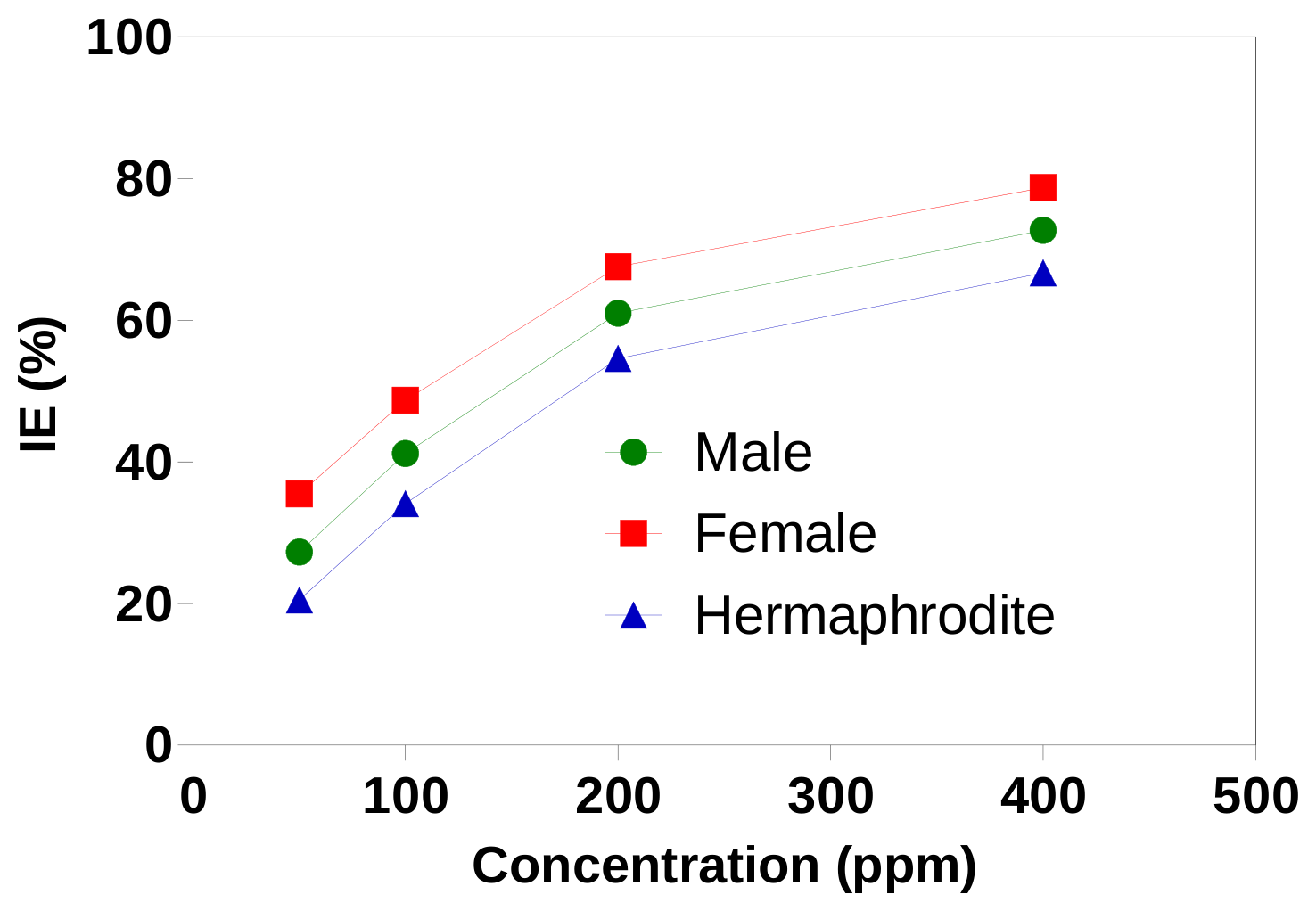
Figure 1 shows that inhibition efficiency increased steadily with increasing inhibitor concentration for all three Carica papaya varieties after 6 hours immersion at 30 °C. The trend demonstrates that the inhibitory action of the extracts was concentration dependent, indicating progressive adsorption of phytochemical constituents on the mild steel surface as concentration increased and reveals that at 50 ppm, the Female extract recorded the highest inhibition efficiency of 35.5%, followed by Male (27.3%) and Hermaphrodite (20.5%). At 100 ppm, the inhibition efficiencies increased to 48.7%, 41.2%, and 34.1% respectively. Further increase to 200 ppm resulted in efficiencies of 67.6% for Female, 61.0% for Male, and 54.6% for Hermaphrodite. At the highest concentration of 400 ppm, the Female extract attained the maximum inhibition efficiency of 78.7%, while Male and Hermaphrodite recorded 72.7% and 66.7% respectively.
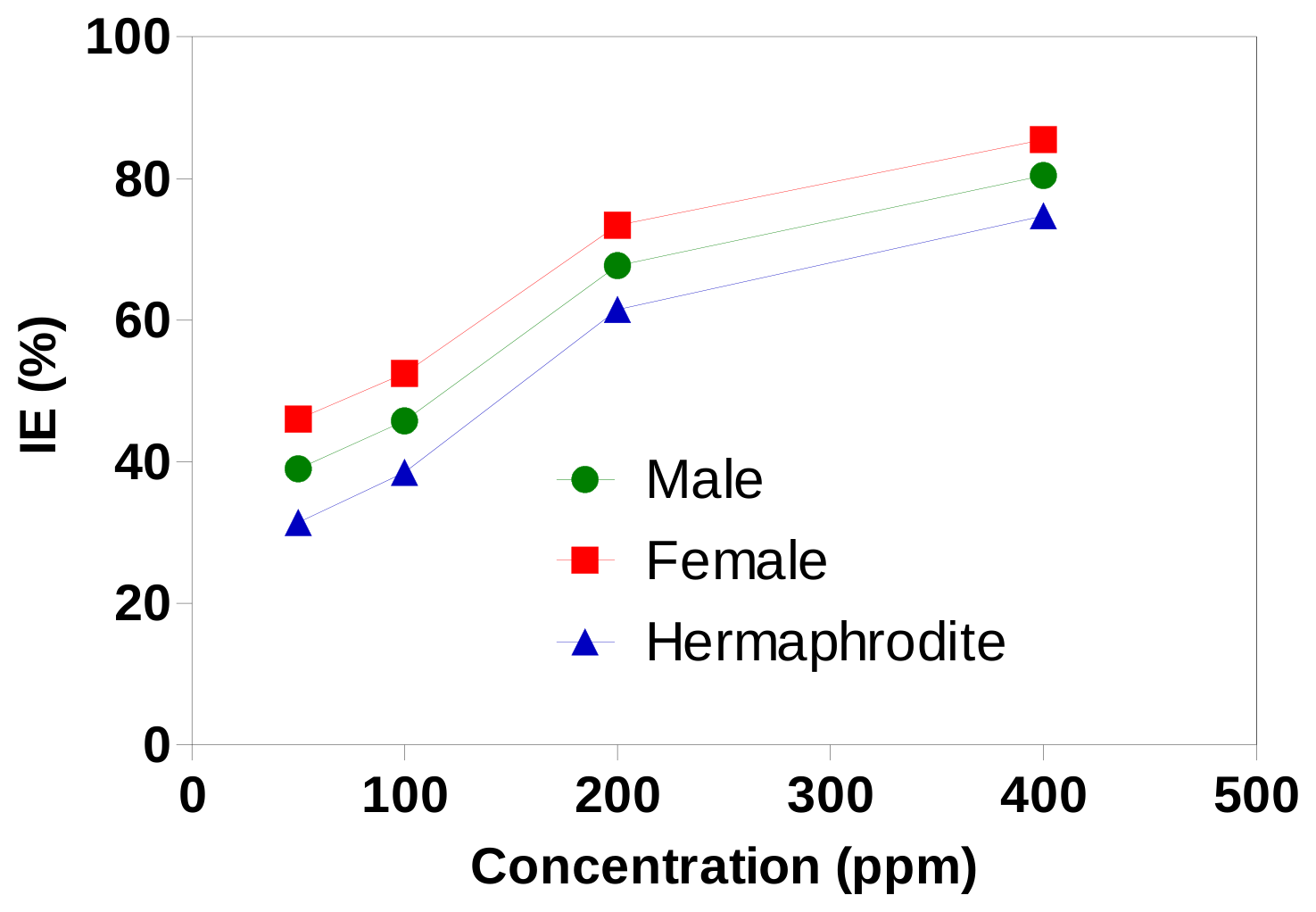
Figure 2 shows that inhibition efficiency increased further after 24 hours immersion compared with 6 hours at 30 °C. This indicates that longer exposure time improved adsorption and stabilization of the inhibitor layer and the results reveal that the Female extract achieved inhibition efficiencies of 46.0%, 52.5%, 73.4%, and 85.5% at 50, 100, 200, and 400 ppm respectively. This value of 85.5% at 400 ppm was the highest obtained in the entire study. The corresponding weight loss decreased from 0.463 mg in the blank medium to 0.067 mg at 400 ppm, while corrosion rate reduced from 0.85 mm/year to 0.12 mm/year. These results indicate excellent corrosion protection.
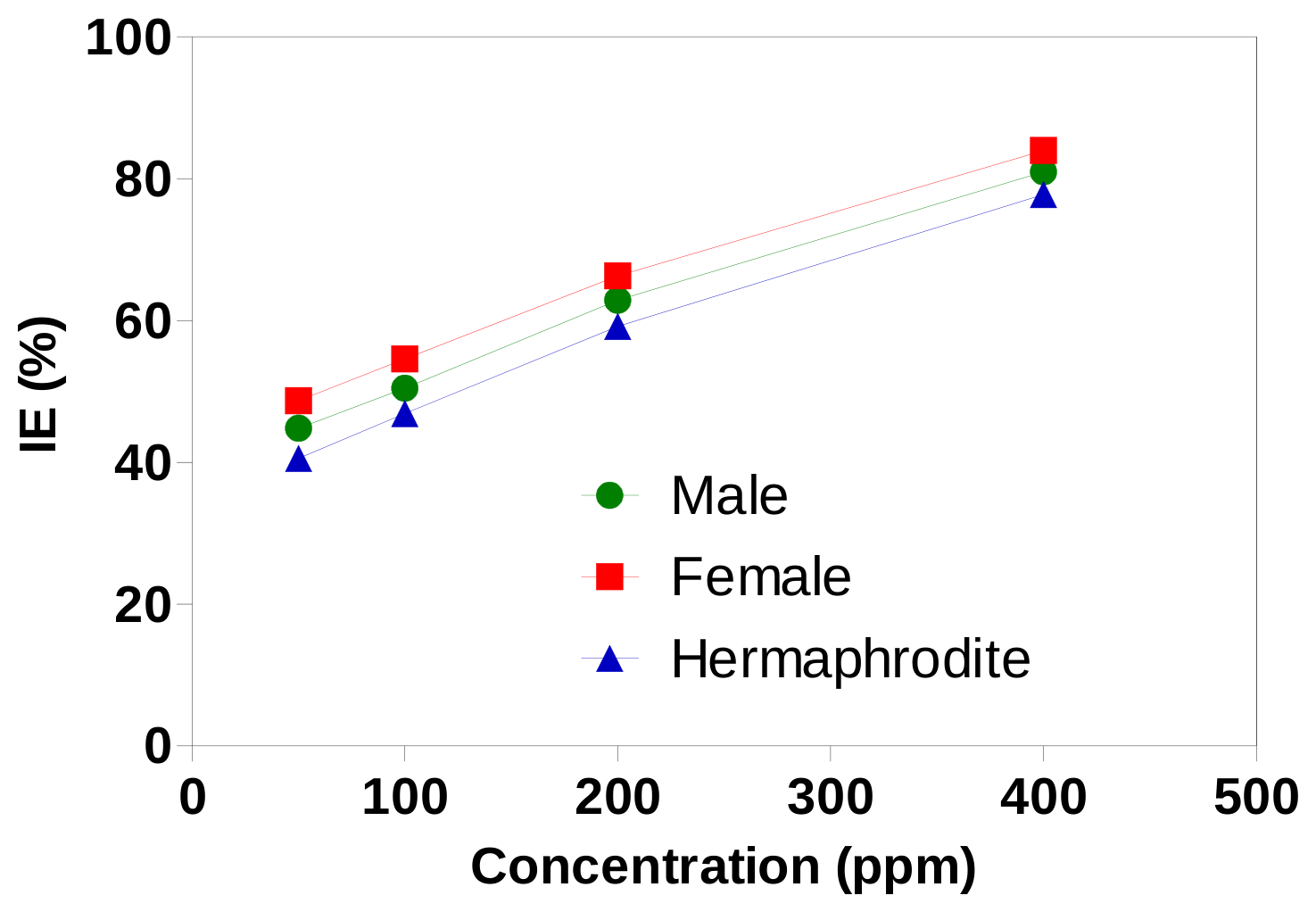
Figure 3 shows that inhibition efficiency remained high after 48 hours immersion at 30 °C and the results reveal that the Female extract recorded 48.7%, 54.6%, 66.3%, and 84.0% at 50, 100, 200, and 400 ppm respectively. Male extract attained 81.0% at 400 ppm, while Hermaphrodite gave 77.8%. Weight loss for the Female extract reduced from 0.793 mg to 0.127 mg, while corrosion rate dropped from 0.73 mm/year to 0.12 mm/year. These results indicate that the inhibitor film remained effective after prolonged immersion under moderate temperature conditions.
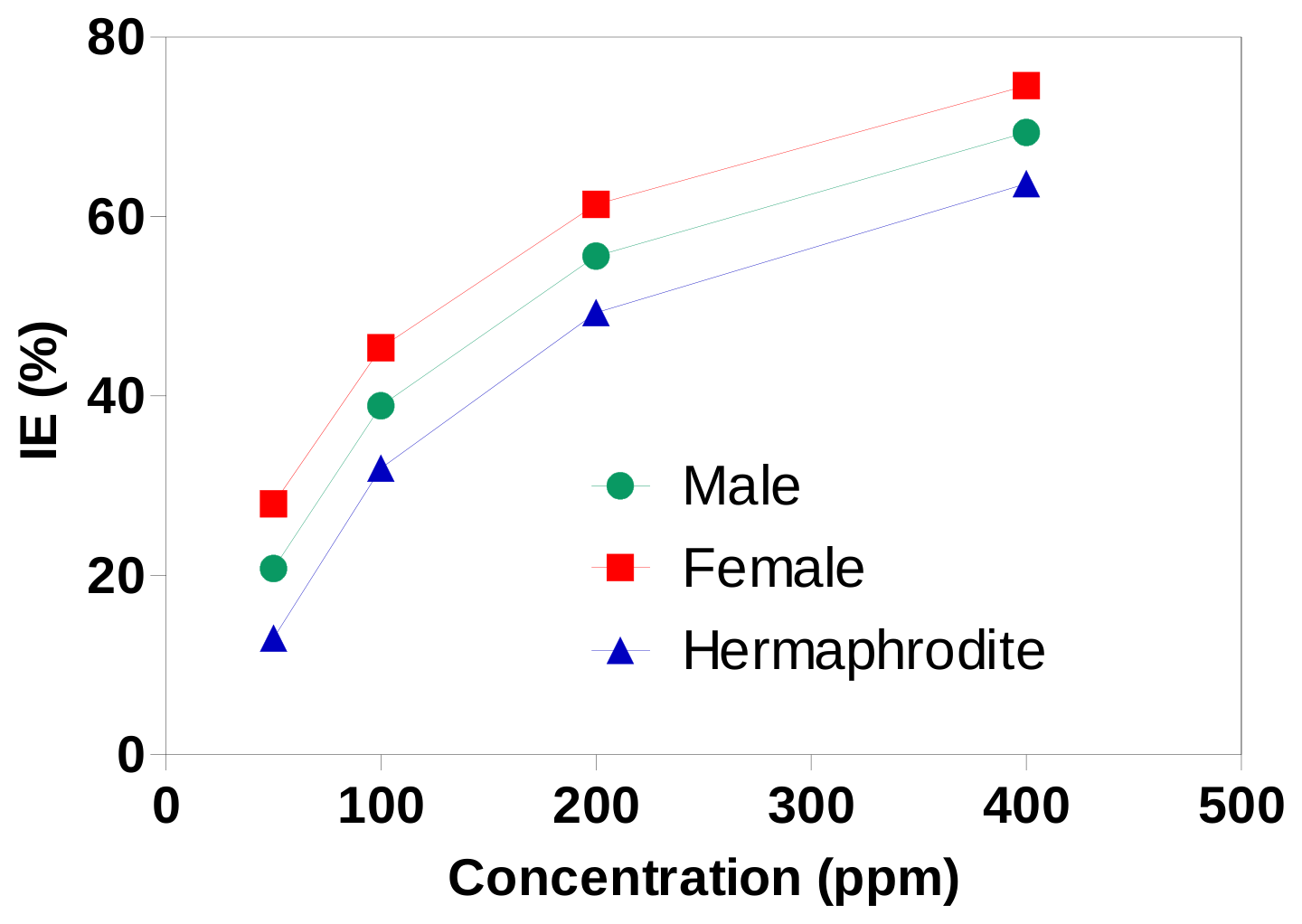
Figure 4 shows that inhibition efficiency also increased with concentration at 40 °C, although the values were slightly lower than those obtained at 30 °C. This indicates that elevated temperature reduced inhibitor effectiveness to some extent and the results reveal that the Female extract recorded inhibition efficiencies of 28.0%, 45.4%, 61.4%, and 74.6% at 50, 100, 200, and 400 ppm respectively. Under the same conditions, the Male extract gave 20.8%, 38.9%, 55.6%, and 69.4%, while the Hermaphrodite extract recorded 13.0%, 31.96%, 49.3%, and 63.7% respectively. The corresponding weight loss values for the Female extract decreased from 0.500 g in the blank medium to 0.127 g at 400 ppm, while corrosion rate reduced from 1.82 mm/year to 0.46 mm/year. These values confirm that increasing concentration still improved protection, even at elevated temperature. The slight reduction in inhibition efficiency compared with Figure 4 suggests partial desorption of adsorbed molecules as temperature increased.
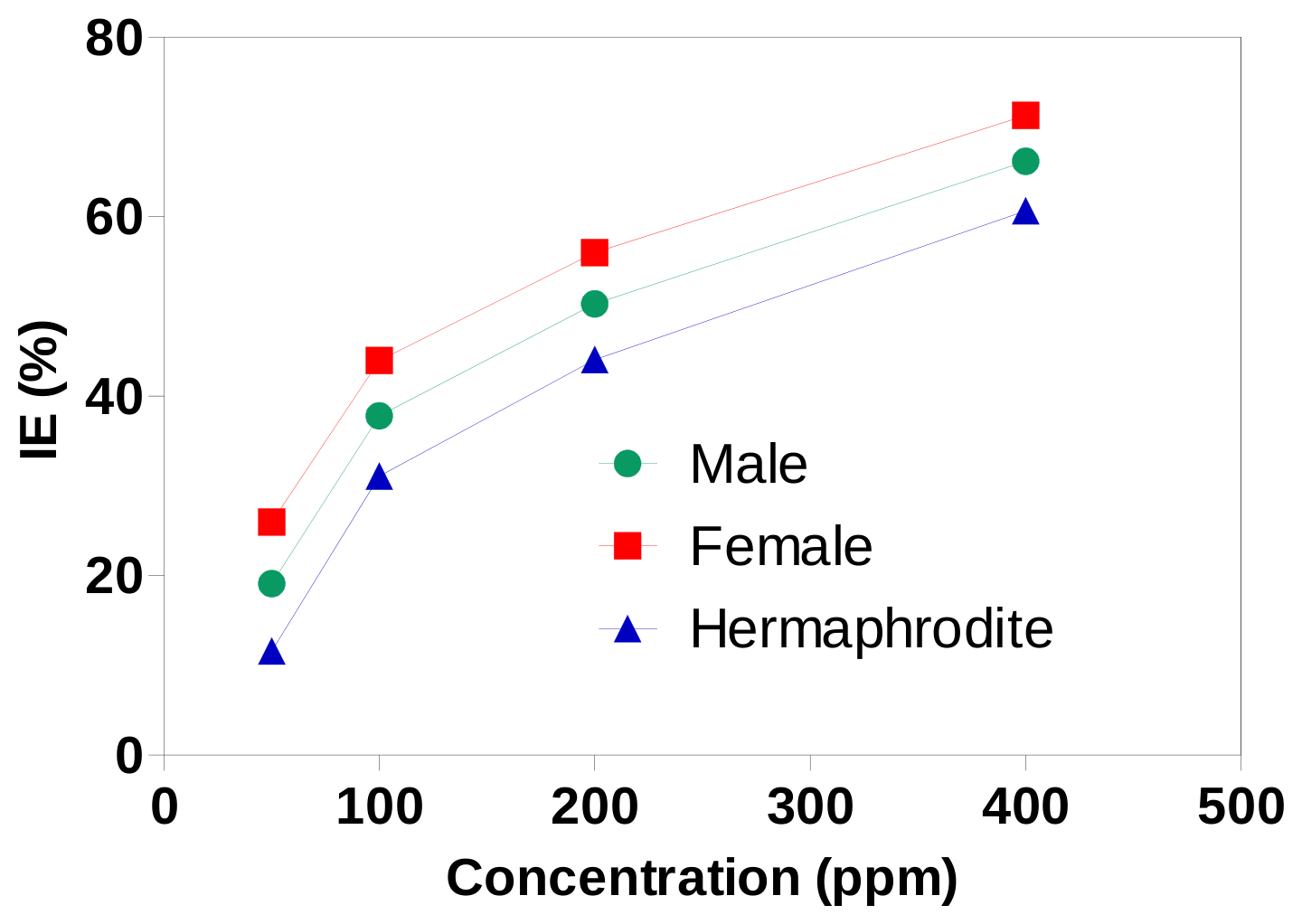
Figure 5 shows that inhibition efficiency increased progressively with increasing concentration for all three extract varieties after 24 hours immersion at 40 °C. This trend confirms that inhibitor concentration remained an important factor controlling adsorption and protective film formation at this temperature and the results reveal that the Female extract recorded inhibition efficiencies of 26.0%, 44.0%, 56.0%, and 71.3% at 50, 100, 200, and 400 ppm respectively. Under the same conditions, the Male extract gave 19.1%, 37.8%, 50.3%, and 66.2%, while the Hermaphrodite extract recorded 11.6%, 31.1%, 44.1%, and 60.7% respectively. The results show that the Female extract consistently exhibited the highest inhibition efficiency across all concentrations, while the Hermaphrodite extract showed the lowest values. At 400 ppm, the Female extract outperformed the Male extract by 5.1 percentage points and the Hermaphrodite extract by 10.6 percentage points.
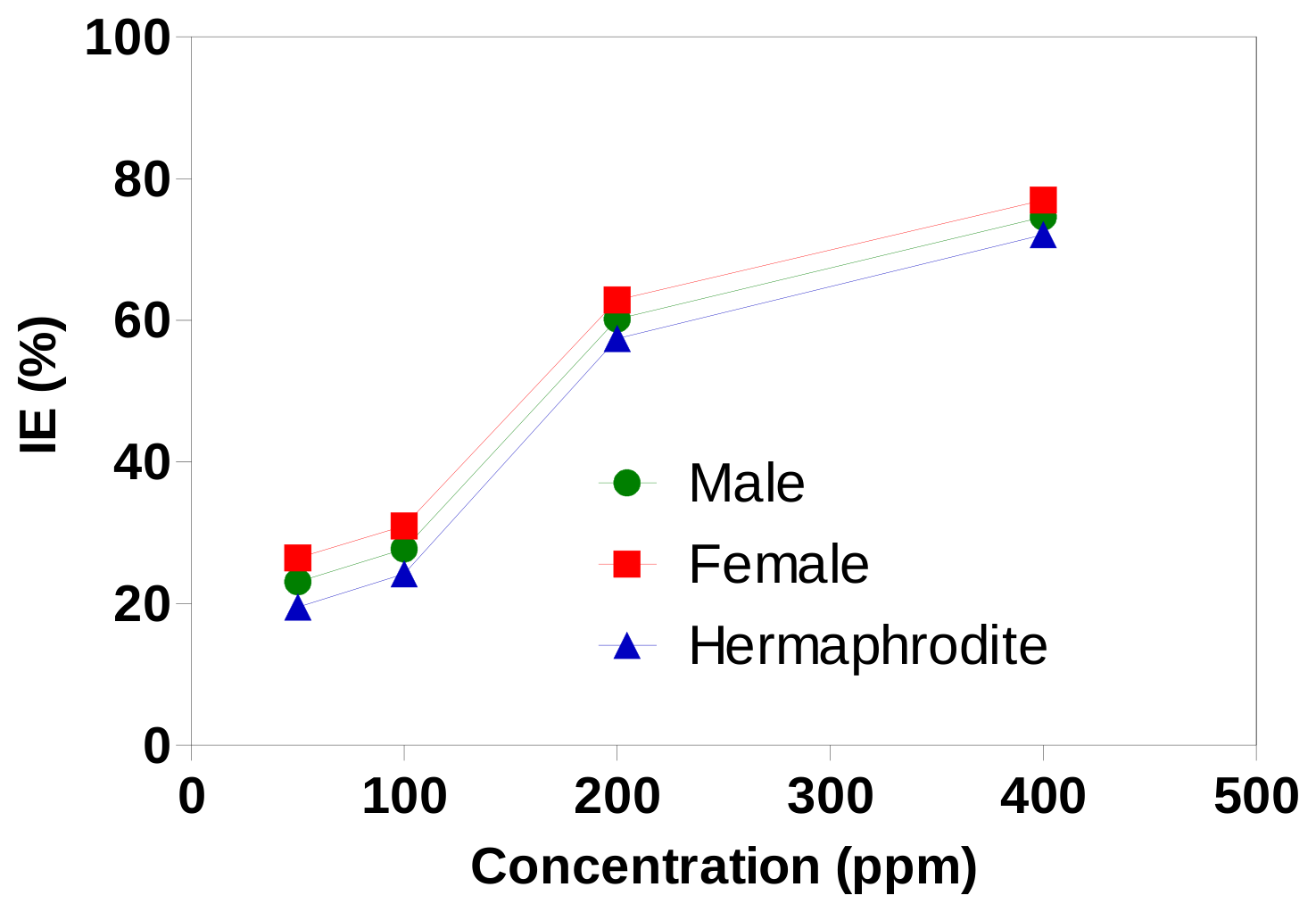
Figure 6 shows that inhibition efficiency increased with concentration at 40 °C after 48 hours immersion and the results reveal that the Female extract recorded 26.5%, 31.0%, 62.9%, and 77.0% at 50, 100, 200, and 400 ppm respectively. The weight loss decreased from 1.043 mg in the blank medium to 0.240 mg at 400 ppm, while corrosion rate reduced from 0.96 mm/year to 0.22 mm/year. The Female extract again showed better inhibition performance than the Male and Hermaphrodite extracts.
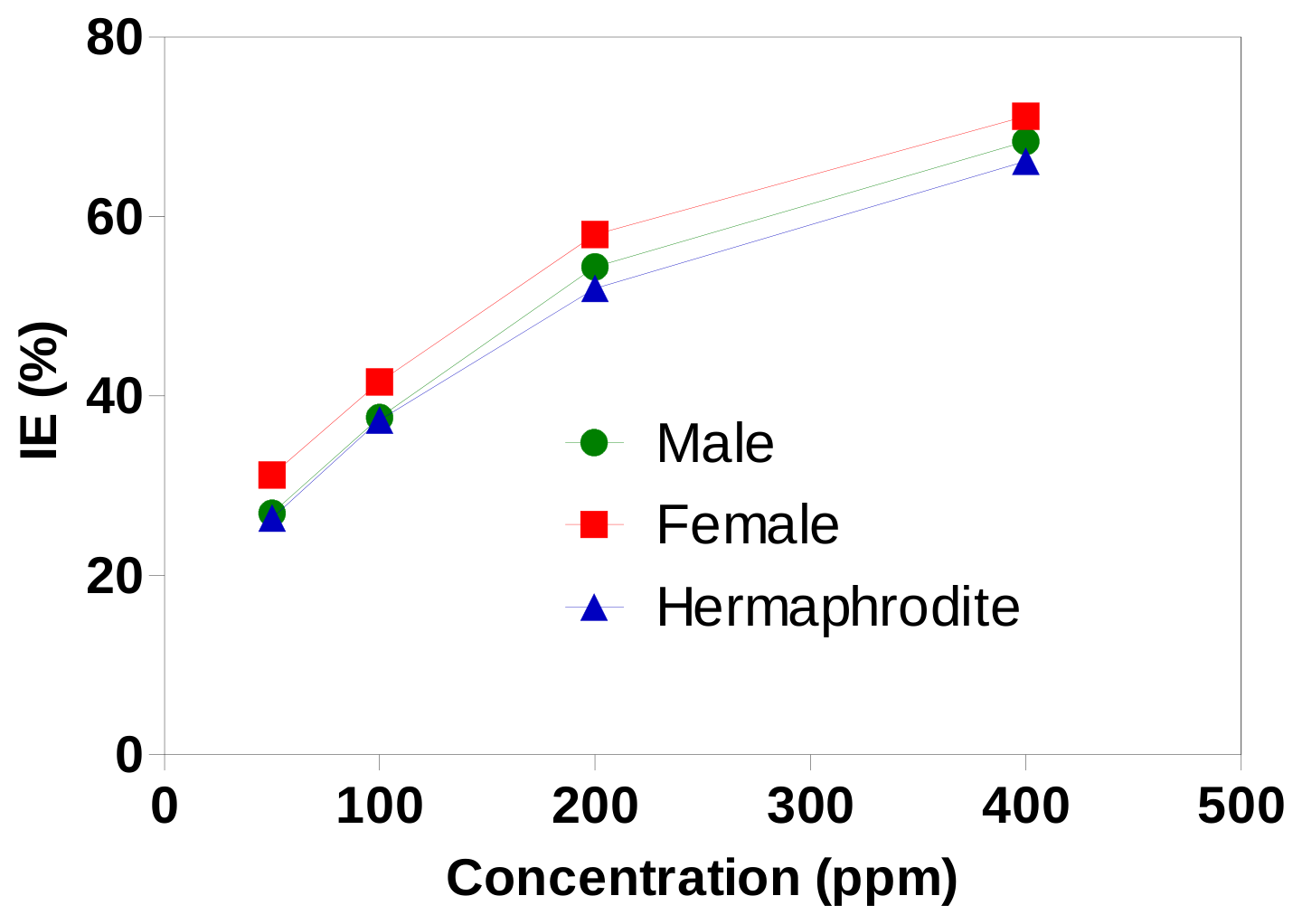
Figure 7 shows that inhibition efficiency remained concentration dependent at 60 °C, but values were lower than those recorded at 30 °C and 40 °C. This confirms that increasing temperature negatively affected inhibitor performance and the results reveal that the Female extract recorded inhibition efficiencies of 31.2%, 41.6%, 58.0%, and 71.2% at 50, 100, 200, and 400 ppm respectively. Male extract gave 26.96%, 37.6%, 54.4%, and 68.4%, while Hermaphrodite extract recorded 26.4%, 37.3%, 52.0%, and 66.2%.The weight loss of the Female extract decreased from 0.810 g for the blank to 0.233 g at 400 ppm, while corrosion rate reduced from 2.95 mm/year to 0.85 mm/year. Although inhibition was still appreciable, the higher blank corrosion rate shows that corrosion reactions accelerated significantly at 60 °C.
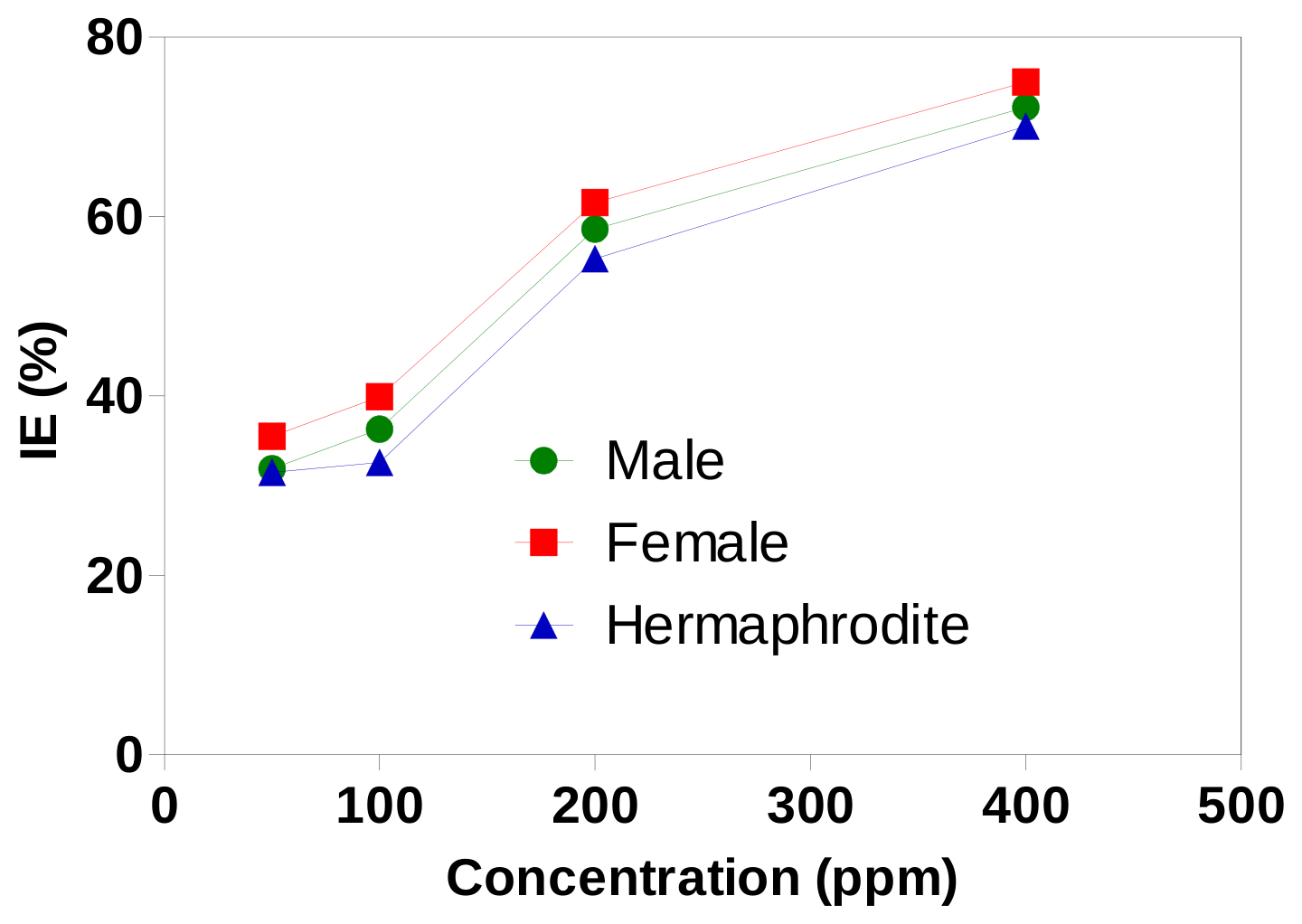
Figure 8 shows that inhibition efficiency increased with increasing concentration at 60 °C after 24 hours immersion and the results reveal that the Female extract recorded 35.5%, 39.9%, 61.6%, and 75.0% at 50, 100, 200, and 400 ppm respectively. Male extract recorded 31.9%, 36.3%, 58.6%, and 72.2%, while Hermaphrodite extract gave 31.5%, 32.6%, 55.3%, and 70.1%. Weight loss for the Female extract decreased from 0.920 mg in the blank medium to 0.230 mg at 400 ppm, while corrosion rate reduced from 1.70 mm/year to 0.42 mm/year. Although inhibition remained effective, the higher corrosion rate compared with lower temperatures confirms stronger corrosive attack at elevated temperature.
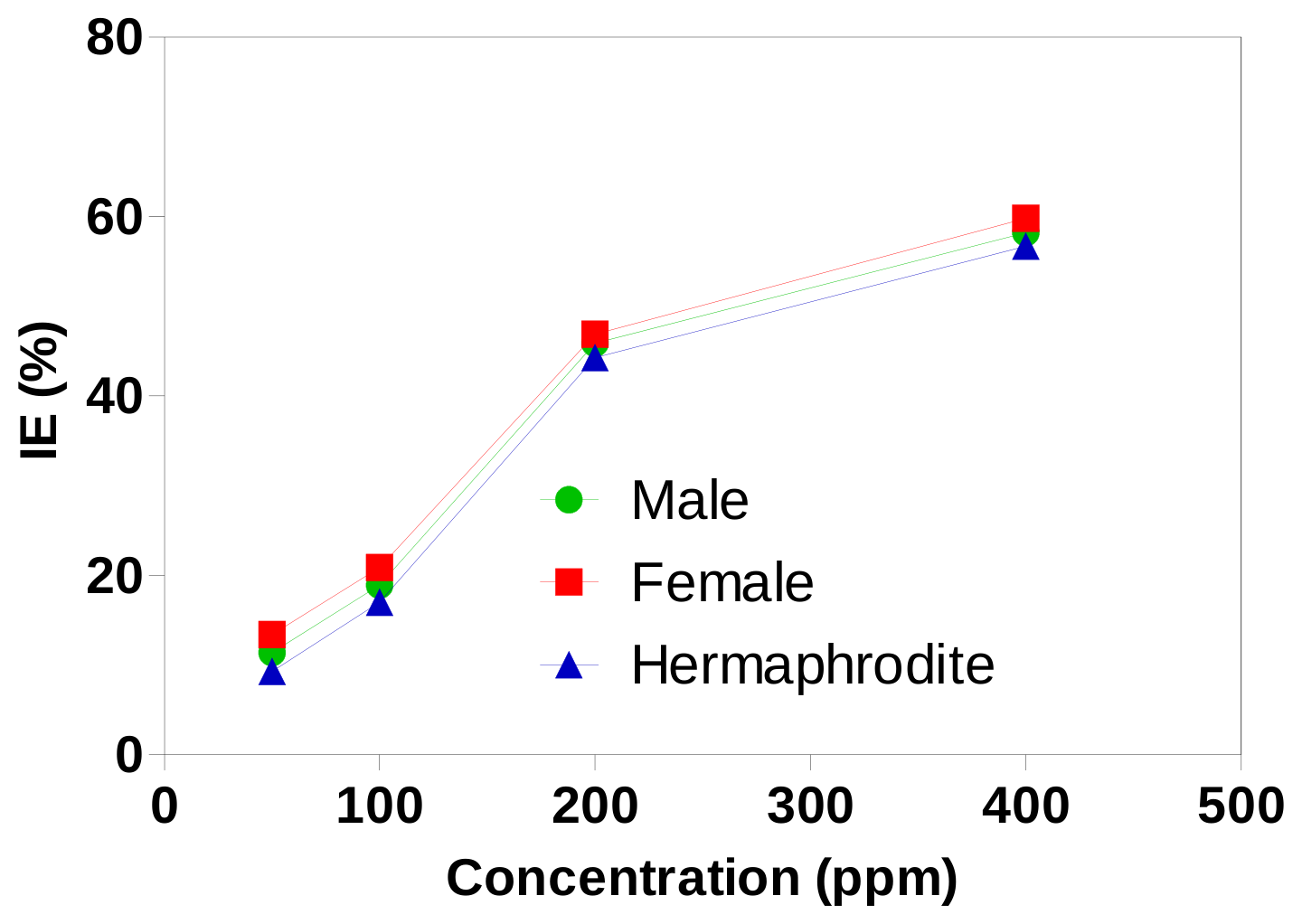
Figure 9 shows that inhibition efficiency declined significantly at 60 °C after 48 hours immersion and the results reveal that the Female extract recorded only 13.4%, 20.9%, 46.9%, and 59.8% at 50, 100, 200, and 400 ppm respectively. Male extract recorded 58.2% at 400 ppm, while Hermaphrodite extract gave 56.7%. The corresponding weight loss for the Female extract decreased from 1.870 mg in the blank medium to 0.753 mg at 400 ppm, while corrosion rate reduced from 1.72 mm/year to 0.69 mm/year. The sharp reduction in inhibition efficiency under this condition indicates instability of the adsorbed protective film during prolonged exposure to aggressive high-temperature marine conditions.
3.3Comparison of inhibition performance in the chloride and sulphate media
Table 2 summarises the inhibition efficiencies of all three extracts at 400 ppm in both media under the nine conditions of temperature and immersion time. Inhibition efficiency was lower in the sulphate medium for every variety under every condition. The shortfall was 6.0 percentage points at 30 °C, 7.8 points at 40 °C and 10.5 points at 60 °C, so the penalty imposed by the sulphate medium is itself temperature-dependent and grows as the film is thermally stressed. This is consistent with the mechanistic picture in which the sulphate-mediated film is held predominantly by the weaker electrostatic interaction, the electrostatic component depending on anion bridging between the protonated phytochemical and the charged metal surface.
| Condition | HCl M | HCl F | HCl H | H₂SO₄ M | H₂SO₄ F | H₂SO₄ H | Gap (F) |
|---|---|---|---|---|---|---|---|
| 6 h / 30 °C | 72.7 | 78.7 | 66.7 | 66.7 | 72.7 | 60.7 | +6.0 |
| 6 h / 40 °C | 69.4 | 74.6 | 63.7 | 61.6 | 66.8 | 55.9 | +7.8 |
| 6 h / 60 °C | 68.4 | 71.2 | 66.2 | 57.9 | 60.7 | 55.7 | +10.5 |
| 24 h / 30 °C | 80.4 | 85.5 | 74.7 | 75.5 | 79.5 | 71.5 | +6.0 |
| 24 h / 40 °C | 66.2 | 71.3 | 60.7 | 58.4 | 63.5 | 52.9 | +7.8 |
| 24 h / 60 °C | 72.2 | 75.0 | 70.1 | 61.7 | 64.5 | 59.6 | +10.5 |
| 48 h / 30 °C | 81.0 | 84.0 | 77.8 | 75.0 | 78.0 | 71.8 | +6.0 |
| 48 h / 40 °C | 74.6 | 77.0 | 72.1 | 65.2 | 69.2 | 61.2 | +7.8 |
| 48 h / 60 °C | 58.2 | 59.8 | 56.7 | 47.7 | 49.3 | 46.2 | +10.5 |
M = male; F = female; H = hermaphrodite extract. Gap (F) = efficiency of the female extract in HCl minus that in H₂SO₄ (percentage points).
Because percentage efficiency is a relative measure referenced to its own blank, the direct comparison of absolute protection is made on the weight-loss basis, which is medium-independent. On that basis the chloride medium is the more aggressive: the Female blank weight loss exceeded the sulphate blank by a factor of 1.28 at every one of the nine conditions (for example, 0.423 mg against 0.330 mg at 6 h and 30 °C, and 1.870 mg against 1.459 mg at 48 h and 60 °C). Yet the residual weight loss of the protected coupon is very nearly identical in the two media: 0.090 mg in each after 6 hours at 30 °C, 0.067 mg against 0.074 mg after 24 hours, and 0.753 mg against 0.740 mg under the most demanding condition. The higher nominal efficiency in chloride is therefore achieved against a correspondingly more aggressive blank, and in engineering terms the inhibitor delivers essentially equivalent absolute protection in the two environments. The dimensionless protection factor (blank weight loss divided by inhibited weight loss), being a ratio measured within the same medium, is 4.69 in chloride against 3.66 in sulphate after 6 hours at 30 °C, and 2.49 against 1.97 at 48 hours and 60 °C as shown in Table 2, confirming that the inhibitor is intrinsically more effective in the chloride environment while remaining useful in the sulphate one.
4Conclusion
The study demonstrates that Carica papaya leaf extracts from male, female and hermaphrodite plants inhibit mild-steel corrosion in acidic media containing marine crude oil, but their performance differs by plant sex type and acid anion. The female extract achieved the highest reported inhibition efficiencies: 85.5% in 1.0 M HCl and 79.5% in 0.5 M H₂SO₄ at 400 ppm and 303 K after 24 h. The male extract ranked second and the hermaphrodite extract third. Inhibition improved with concentration and declined with increasing temperature and immersion time. The sulphate medium consistently gave lower efficiencies, with the difference increasing at higher temperatures. Female Carica papaya leaf extract is therefore the strongest candidate among the tested varieties, subject to further validation under realistic operating conditions.
References
- [1]Abdallah M, Hegazy MA, Alfakeer M, Ahmed H (2018). Adsorption and inhibition performance of the novel cationic gemini surfactant as a safe corrosion inhibitor for carbon steel in hydrochloric acid. Green Chemistry Letters and Reviews, 11(4), 457–468. https://doi.org/10.1080/17518253.2018.1526330
- [2]Abdel-Halim S, Ibrahim M, Abdel Mohsen M, Abdel-Sattar E, Saleh I (2021). The influence of the extraction method on polyphenols, flavonoids composition and anti-hyperlipidemic properties of papaya leaves (Carica papaya Linn.). Bulletin of the National Research Centre, 45, Article 85. https://doi.org/10.1186/s42269-021-00548-4
- [3]Ahmed MA, Al-Amiery AA (2024). Current and emerging trends of inorganic, organic and eco-friendly corrosion inhibitors: A systematic review. RSC Advances, 14(10), 6980–7001. https://doi.org/10.1039/D4RA05662K
- [4]Al-Jahdaly BA, Maghraby YR, Ibrahim AH, Shouier KR, Alturki AM, El-Shabasy RM (2022). Role of green chemistry in sustainable corrosion inhibition: A review on recent developments. Materials Today Sustainability, 20, Article 100242.
- [5]Al-Amiery AA, Al-Jibouri TN, Kadhum AAH (2024). Green corrosion inhibitors in oil and gas industry: A review. Journal of Petroleum Science and Engineering, 238, Article 112101. https://doi.org/10.1016/j.petrol.2024.112101
- [6]Alaneme KK, Olusegun SJ, Alo AW (2016). Corrosion inhibitory properties of elephant grass (Pennisetum purpureum) extract: Effect on mild steel corrosion in 1 M HCl solution. Alexandria Engineering Journal, 55(2), 1069–1076. https://doi.org/10.1016/j.aej.2016.03.012
- [7]Alara OR, Abdurahman NH, Ali HA, Mat Zain N (2021). Microwave-assisted extraction of phenolic compounds from Carica papaya leaves: An optimization study and LC-QTOF-MS analysis. Future Foods, 3, Article 100035.
- [8]Badawi AK, Fahim IS (2021). A critical review on green corrosion inhibitors based on plant extracts: Advances and potential presence in the market. International Journal of Corrosion and Scale Inhibition, 10(4), 1385–1406.
- [9]Chauhan DS, Quraishi MA, Sorour AA, Saha SK, Banerjee P (2021). A comprehensive review on green corrosion inhibitors based on plant extracts for metals in corrosive media. Journal of Molecular Liquids, 321, Article 114809.
- [10]Chidiebere MA, Nnanna L, Adindu CB, Oguzie KL, Okolue B, Onyeachu B, et al. (2016). Inhibition of acid corrosion of mild steel using Delonix regia leaves extract. International Letters of Chemistry, Physics and Astronomy, 65, 1–10.
- [11]Dehghani A, Bahlakeh G, Ramezanzadeh B, Ramezanzadeh M (2019). Potential of Borage flower aqueous extract as an environmentally sustainable corrosion inhibitor for acid corrosion of mild steel. Journal of Molecular Liquids, 277, 895–911. https://doi.org/10.1016/j.molliq.2019.01.008
- [12]Eddy NO, Ifeanyichukwu UY (2024). Carica papaya leaf extract as a bio-corrosion inhibitor for mild steel in acidic media. Materials Today: Proceedings, 84, 187–192. https://doi.org/10.1016/j.matpr.2024.01.273
- [13]El-Zekred M, Nofal A, Shalabi K, Fouda A (2021). Ficus carica extract as environmentally friendly inhibitor for the corrosion of L-80 carbon steel in 0.5 M H₂SO₄ media. Journal of the Indian Chemical Society, 98(9), Article 100128. https://doi.org/10.1016/j.jics.2021.100128
- [14]Himeur T, Ferkous H, Rouibah K, Abdennouri A, Bousba D (2026). Plant extracts and essential oils as green corrosion inhibitors for steel in acidic media: A review. Journal of Molecular Structure. https://doi.org/10.1016/j.molstruc.2026.146143
- [15]Iheaturu NC, Ofoegbu SU, Aharanwa BC, Akanbi MN, Udunwa DI, Ayo KO, et al. (2024). Bio-inhibitive corrosion effect of Carica papaya leaf extract on cold-rolled mild steel in 0.1 M HCl solution. Journal of Engineering and Applied Science, 71, Article 203. https://doi.org/10.1186/s44147-024-00538-z
- [16]Nwigwe SU, Umunakwe R, Mbam SO, Yibowei M, Okon K, Kalu-Uka G (2019). The inhibition of Carica papaya leaves extract on the corrosion of cold worked and annealed mild steel in HCl and NaOH solutions using a weight loss technique. Engineering and Applied Science Research, 46(2), 114–119.
- [17]Nwigwe US, Okoso VI, Kura TB (2020). Evaluation of Carica papaya leaf extract as a bio-corrosion inhibitor for mild steel in a marine environment. IOP Conference Series: Materials Science and Engineering, 640(1), Article 012028. https://doi.org/10.1088/1757-899X/640/1/012028
- [18]Okafor PC, Ebenso EE (2007). Inhibitive action of Carica papaya extracts on the corrosion of mild steel in acidic media and their adsorption characteristics. Pigment & Resin Technology, 36(3), 134–140. https://doi.org/10.1108/03699420710748992
- [19]Oguzie EE, Onuchukwu AI, Okafor PC, Ebenso EE (2008). Evaluation of the inhibitive effect of some plant extracts on the acid corrosion of mild steel. Corrosion Science, 50(11), 2993–2998.
- [20]Quraishi MA, Singh A, Singh VK, Yadav DK, Singh AK (2010). Green approach to corrosion inhibition of mild steel in hydrochloric acid and sulphuric acid solutions by the extract of Murraya koenigii leaves. Materials Chemistry and Physics, 122(1), 114–122.
- [21]Umoren SA, Eduok UM (2016). Application of carbohydrate polymers as corrosion inhibitors for metal substrates in different media: A review. Carbohydrate Polymers, 140, 314–341. https://doi.org/10.1016/j.carbpol.2015.12.038
- [22]Umoren SA, Solomon MM, Obot IB, Suleiman RK (2019). A critical review on the recent studies on plant biomaterials as corrosion inhibitors for industrial metals. Journal of Industrial and Engineering Chemistry, 76, 91–115.
- [23]Verma C, Ebenso EE, Bahadur I, Quraishi MA (2018). An overview on plant extracts as environmentally sustainable and green corrosion inhibitors for metals and alloys in aggressive corrosive media. Journal of Molecular Liquids, 266, 577–590. https://doi.org/10.1016/j.molliq.2018.06.110
- [24]Zakeri A, Bahmani E, Sabour Rouh Aghdam A (2022). Plant extracts as sustainable and green corrosion inhibitors for protection of ferrous metals in corrosive media: A mini review. Corrosion Communications, 5, 25–38. https://doi.org/10.1016/j.corcom.2022.03.002